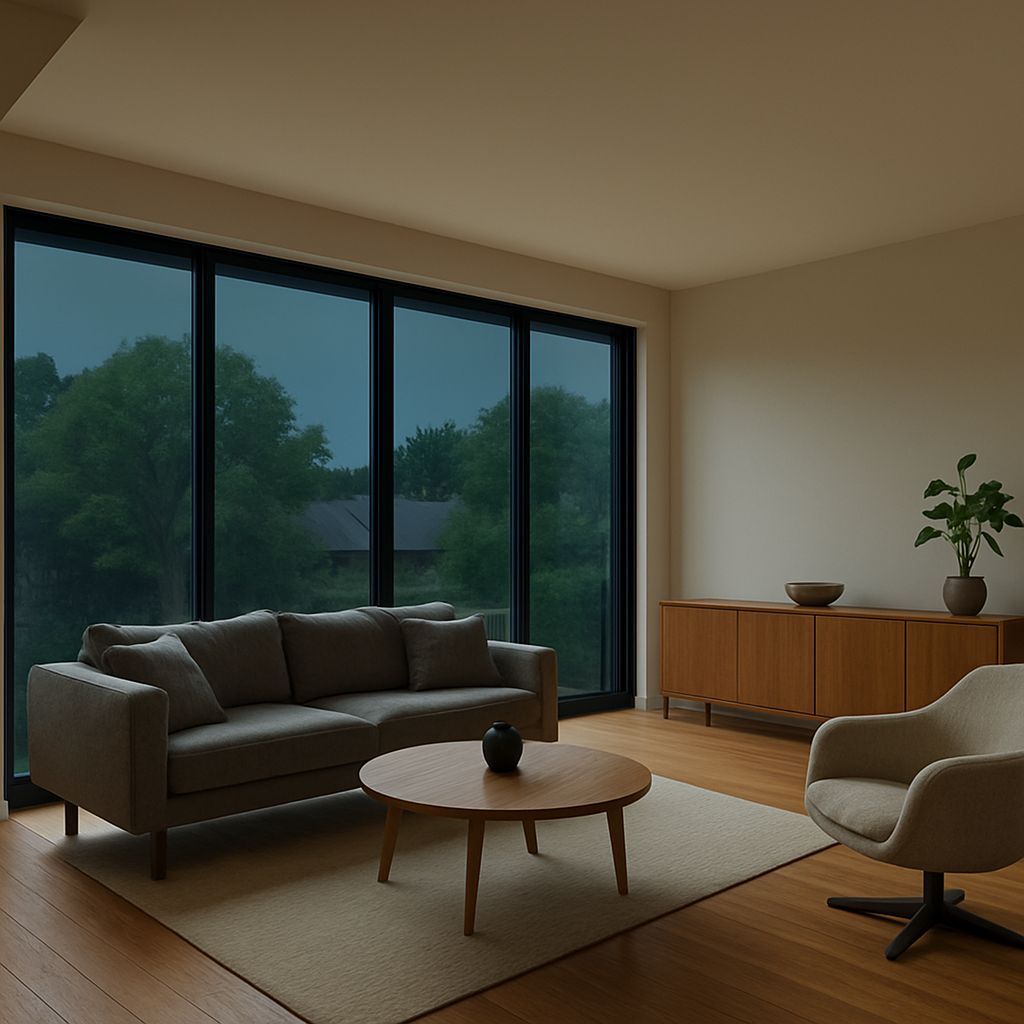
When it comes to enhancing the comfort and efficiency of your home, window tinting often emerges as a valuable solution. Whether you’re an interior designer seeking innovative ways to complement a stylish interior or a homeowner interested in reducing energy costs, window tint for home windows offers numerous benefits. This article delves into why you might consider this option, the advantages it provides, and how it can transform your living space.

Window tinting is a process that involves applying a thin laminate film to the interior or exterior of glass surfaces in your home. This film can be made from a variety of materials such as polyester or metalized coatings, each offering different levels of performance and benefits.
The Basics of Home Window Tint
Home window tinting can vary in color, shade, and thickness, designed to provide specific benefits such as UV protection, glare reduction, and privacy enhancement. It’s not just a cosmetic upgrade; it can significantly influence the quality and comfort of your indoor environment.
Benefits of Home Window Tint

The advantages of home window tint extend beyond aesthetics. Here are some compelling reasons why window tinting might be the right choice for your home:
Energy Efficiency and Cost Savings
One of the primary benefits of home window tinting is improved energy efficiency. By reducing the amount of heat that enters your home, window tinting can help maintain a consistent indoor temperature. This results in less reliance on air conditioning systems during hot summer months and thus lowers energy bills. According to the U.S. Department of Energy, energy-efficient window coverings can significantly reduce heat gain and improve overall home efficiency.
Enhanced Privacy
Privacy window film is an excellent solution for homeowners who wish to maintain a level of seclusion without sacrificing natural light. These films come in various designs and opacities, allowing you to select the level of privacy that suits your needs.
UV Protection
Harmful UV rays can cause furniture, carpets, and curtains to fade over time. Window tints block up to 99% of these rays, protecting your interiors from sun damage and prolonging the life of your furnishings. The Environmental Protection Agency (EPA) also emphasizes the importance of reducing UV exposure to protect both people and interior materials.
Glare Reduction
Glare from the sun can be a nuisance, especially when watching TV or working on a computer. Home window tint reduces glare, making it easier to enjoy your electronic devices without straining your eyes.
Safety and Security
Window films can hold shattered glass together, reducing the risk of injury from broken glass during storms or other impacts. This added layer of protection can be particularly valuable in homes located in areas prone to severe weather.
Types of Window Tint for Home Use

by Sraboni Panday (https://unsplash.com/@sraboni21)
When choosing window film for your home, it’s important to consider the different types available, each offering distinct benefits:
Decorative Films
These films provide privacy while adding a decorative touch to your windows. They come in various patterns and colors, allowing you to enhance the aesthetic appeal of your home.
Solar Control Films
Designed to reduce heat and glare, solar control films are perfect for homes in sunny climates. They help maintain a comfortable indoor temperature and protect against UV rays.
Security Films
Security films are thicker than other window films and are designed to hold glass together if it breaks. This deters intruders and provides an additional layer of protection for your home.
Privacy Films
Privacy films are ideal for areas like bathrooms and bedrooms where you need more seclusion. These films can range from frosted to opaque, depending on your preference.
How to Choose the Right Window Tint for Your Home
Selecting the right window tint involves considering your specific needs and the benefits you wish to achieve. Here are some factors to keep in mind:
Consider Your Climate
If you live in a hot climate, you might prioritize tints that offer maximum heat rejection and UV protection. In colder climates, you may focus on films that provide insulation properties.
Assess Your Privacy Needs
Determine which areas of your home require more privacy. For instance, privacy films might be more suitable for bathroom windows than for living room windows.
Evaluate Aesthetic Preferences
Consider how different tints will complement your home’s interior design. Decorative films offer a variety of styles that can enhance your home’s aesthetic appeal.
Consult a Professional
For the best results, consult with a professional installer who can recommend the right type of film based on your needs and ensure proper installation.
Installation and Maintenance of Window Tint
The installation of window tint is a job best left to professionals. They have the skills and tools necessary to apply the film without bubbles or wrinkles, ensuring a smooth and long-lasting finish.
Maintenance Tips
Once installed, maintaining your window tint is straightforward. Use a soft cloth and mild detergent to clean the windows. Avoid abrasive materials that can scratch the film.
Conclusion: Is Window Tinting Right for You?
Window tinting offers a multitude of benefits, from energy savings and enhanced privacy to UV protection and increased security. Whether you’re an interior designer looking to enhance a client’s home or a homeowner seeking to improve your living space, window tint for home windows is a versatile solution.
By carefully considering your needs and consulting with a professional, you can select the right window tint to meet your requirements and enjoy the many advantages it brings to your home.