# What to Know Before You Buy Household Window Tint
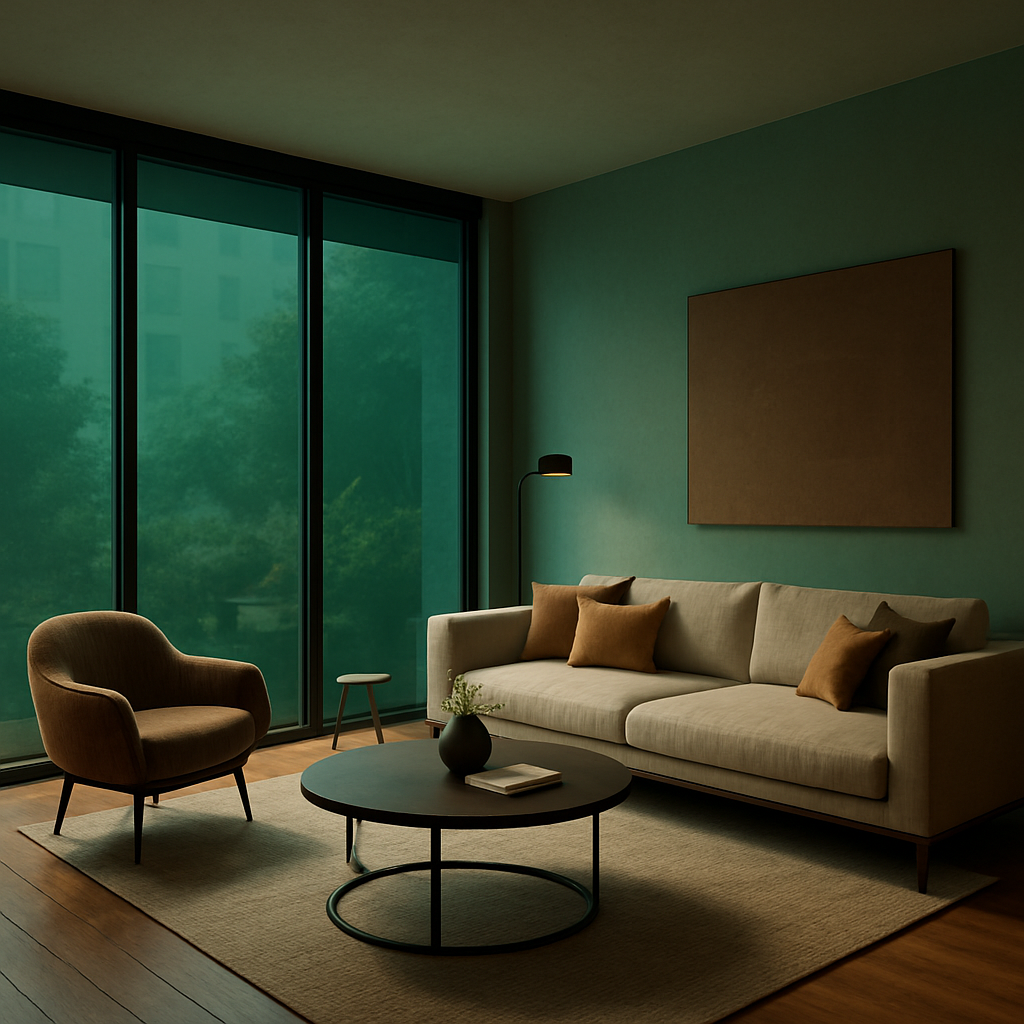
Adding window tint to your home can be a game-changer. It not only enhances the aesthetics of your living space but also provides significant benefits such as increased privacy, energy efficiency, and protection from harmful UV rays. However, before diving into the world of household window tinting, there are several important factors to consider. This guide will walk you through everything you need to know to make an informed decision.
Household window tinting involves applying a thin film to the interior side of your windows. This film can vary in its properties, offering different levels of solar heat reduction, glare reduction, privacy, and security. The choice of tint depends on your specific needs and preferences.
Types of Window Tint
There are several types of window tints available, each serving a unique purpose:
- Solar Control Films: These are designed to reduce heat and glare, helping to keep your home cooler and more comfortable.
- Privacy Films: These films obscure the view from outside, offering enhanced privacy without compromising natural light.
- Security Films: These add an extra layer of protection by holding broken glass in place in case of impact.
- Decorative Films: Available in various patterns and colors, these films add an element of design to your windows.
Understanding these options will help you choose the right tint for your home.
Benefits of Window Tinting
Energy Efficiency
One of the most significant benefits of window tinting is improved energy efficiency. Tinted windows can reduce the amount of solar heat entering your home, lowering your cooling costs during hot months. This can result in substantial energy savings over time. For more ways to cut home energy use, you can also explore guidance from Natural Resources Canada.
UV Protection
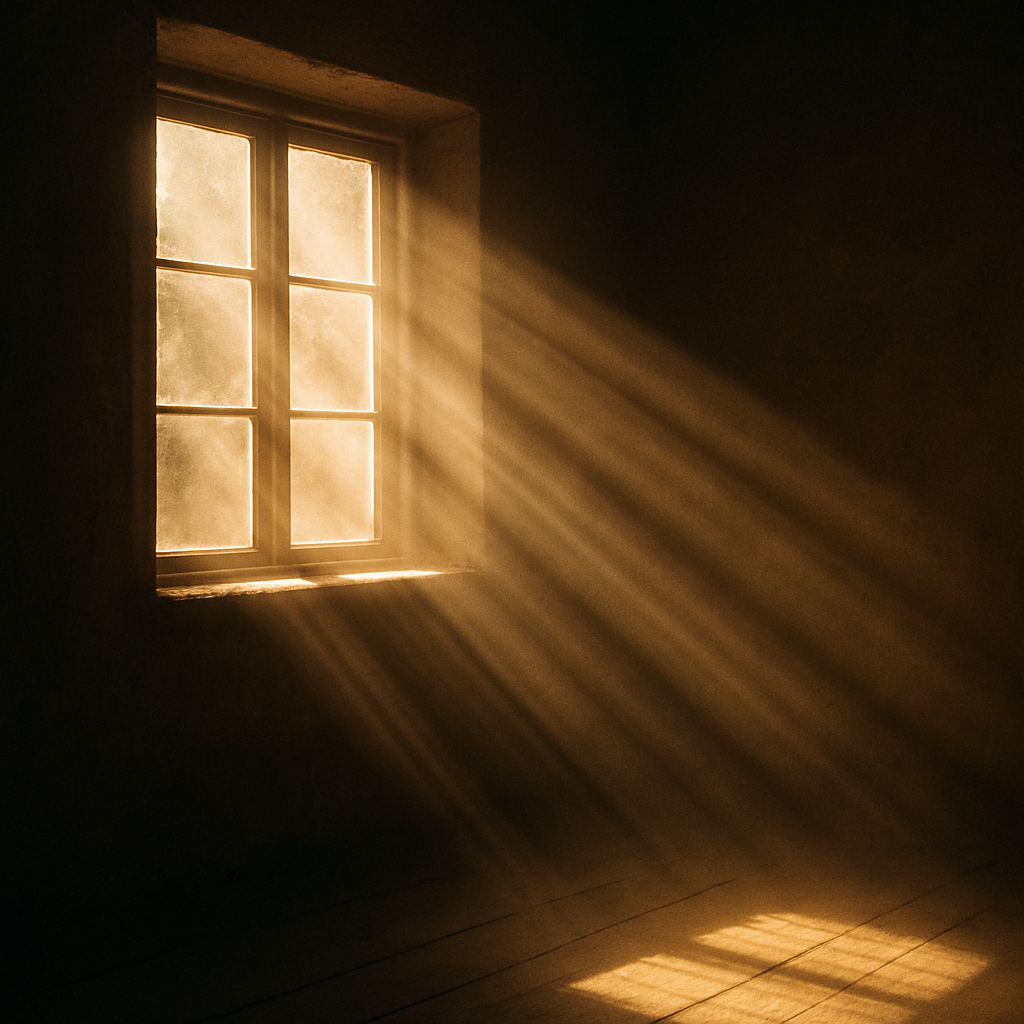
Another crucial advantage is UV protection. Window tints block up to 99% of harmful UV rays, which can cause fading of your furniture, flooring, and artwork. By minimizing UV exposure, you can preserve the interior of your home and extend the life of your belongings.
Enhanced Privacy and Security
Privacy window films are an excellent solution for homeowners who want to maintain their privacy without sacrificing natural light. Security films add an extra layer of safety by making it harder for intruders to break through glass. If you’re thinking about security as a whole-home plan (not just windows), the RCMP’s home safety tips are a helpful starting point.
Glare Reduction
If you’ve ever struggled with glare on your TV or computer screen, window tinting can help. By reducing glare, you can enjoy better visibility and comfort in your living spaces.
Factors to Consider Before Buying
Climate and Location
Your geographic location and climate play a significant role in determining the best type of window tint for your home. In hotter climates, solar control films that reduce heat gain are particularly beneficial.
Window Orientation
Consider the orientation of your windows. South-facing windows receive the most sunlight and may benefit more from tinting compared to north-facing ones.
Aesthetic Preferences

by Annie Spratt (https://unsplash.com/@anniespratt)
Window tinting can also enhance the look of your home. Choose a film that complements your interior design and adds to the overall appeal of your living space.
Installation and Maintenance
Professional installation is recommended for the best results. While DIY kits are available, they often don’t match the quality and precision of professional installations. Consider the ease of maintenance as well—some films are easier to clean than others.
How to Choose the Right Window Tint
Assess Your Needs
Start by evaluating what you want to achieve with window tinting. Are you looking for privacy, energy savings, or UV protection? Your priorities will guide your choice.
Research Products
Look for reputable brands and products that meet your requirements. Check for certifications and reviews to ensure quality and performance.
Consult a Professional
A professional window tinting service can provide expert advice tailored to your home and needs. They can help you navigate the options and choose the right film for your situation.
Installation Process
Professional vs. DIY
While DIY kits are more affordable, professional installation ensures a flawless finish and optimal performance. Professionals have the experience and tools to install the film without bubbles or imperfections.
What to Expect During Installation
Professional installation typically involves cleaning the windows, cutting the film to size, and applying it with precision. The process is quick, usually taking a few hours depending on the number of windows.
Cost Considerations
The cost of window tinting varies based on the type of film, the size of your windows, and whether you opt for professional installation. While the initial investment might seem high, the long-term benefits in energy savings and protection often outweigh the costs.
Budgeting Tips
- Compare Quotes: Get quotes from multiple providers to ensure competitive pricing.
- Consider Long-term Savings: Factor in potential energy savings when assessing the cost.
- Look for Warranties: Choose products that offer warranties for peace of mind.
Conclusion
Household window tint is a worthwhile investment that can enhance your home’s comfort, privacy, and energy efficiency. By understanding the types of tints available and considering your specific needs, you can make an informed decision that will benefit your home for years to come. Whether for aesthetic appeal, energy savings, or added security, window tinting offers a range of solutions to improve your living space.
When ready, consult with a professional to explore your options and ensure a seamless installation. Your home deserves the best, and with the right window tint, you can achieve a perfect blend of style and function.