# Window Tinting and Plants: What You Should Know
When it comes to enhancing your home’s aesthetics and improving energy efficiency, window tinting is a fantastic solution. However, if you’re an interior designer or a homeowner with a green thumb, you might be wondering how window tinting affects your indoor plants. This guide will help you understand the relationship between window tinting and plants, ensuring both your interior design and greenery flourish.
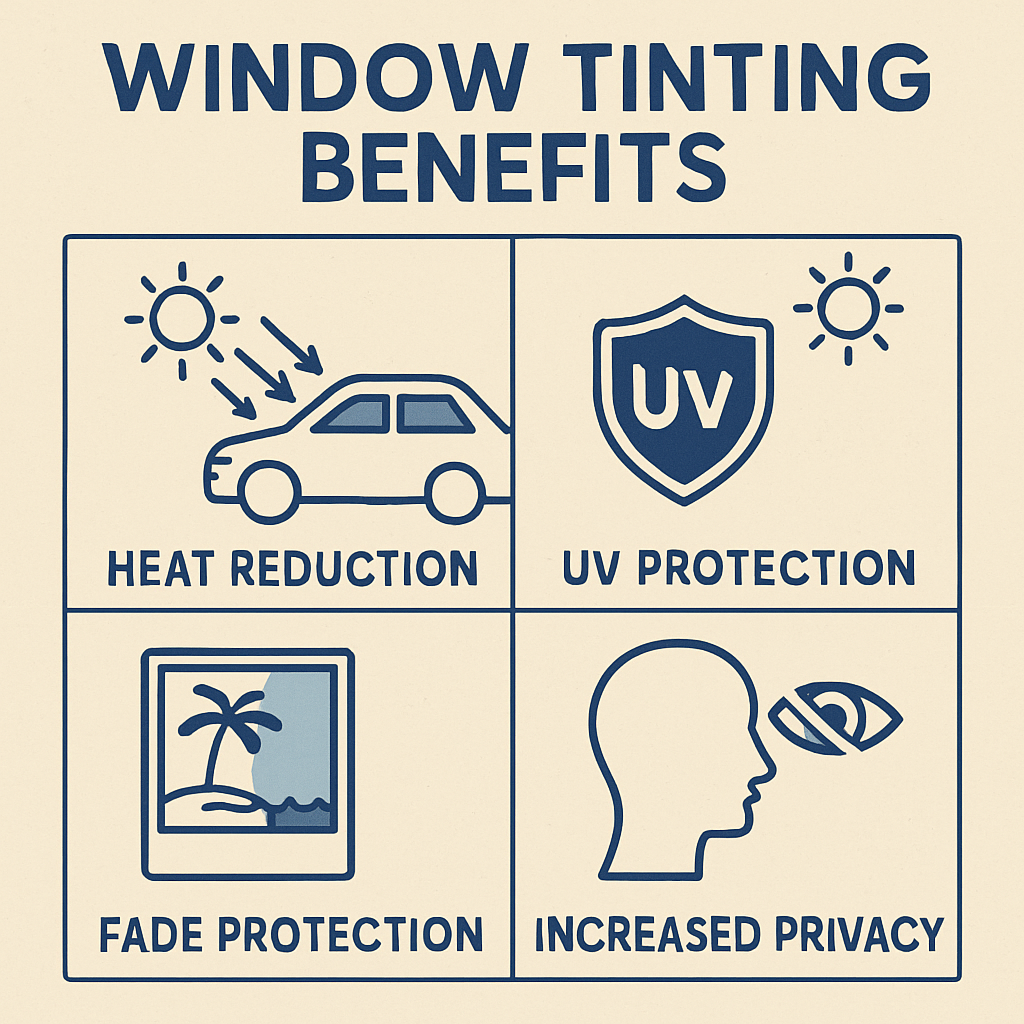
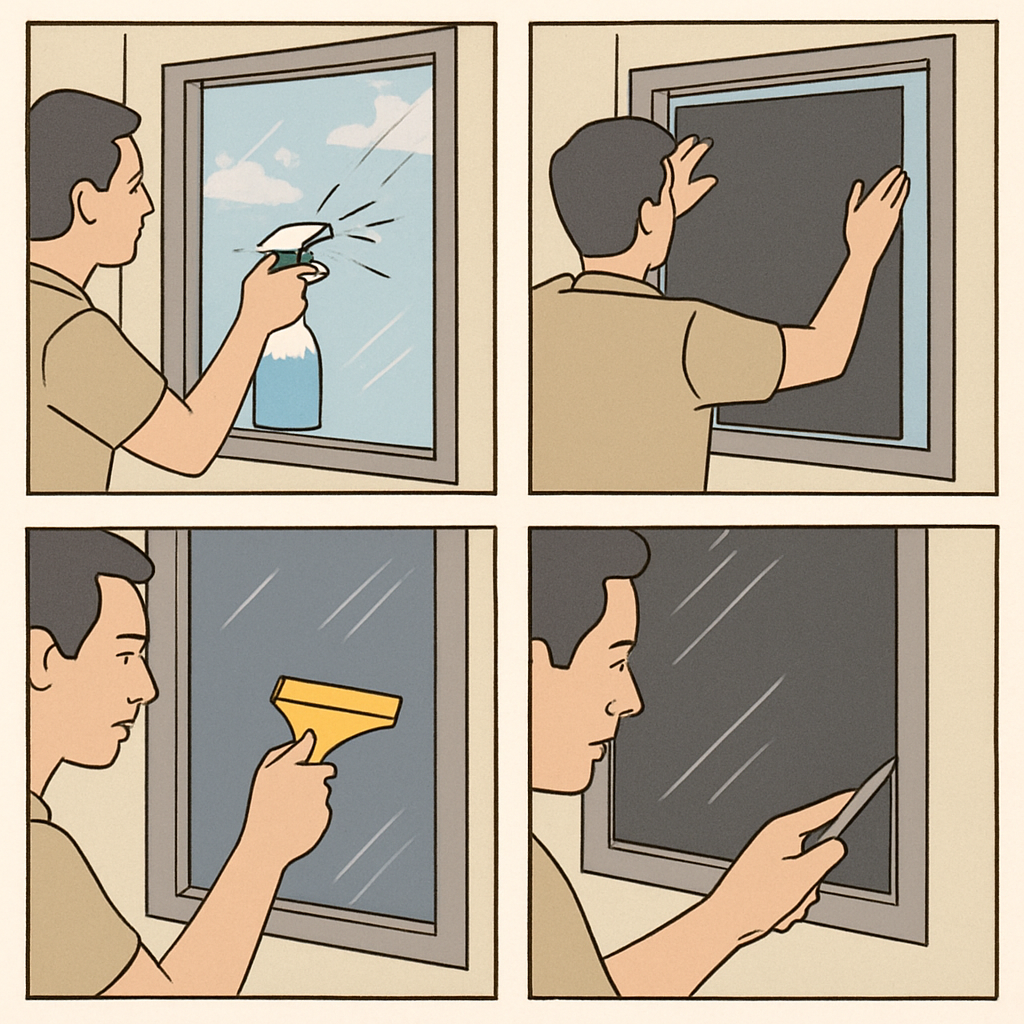
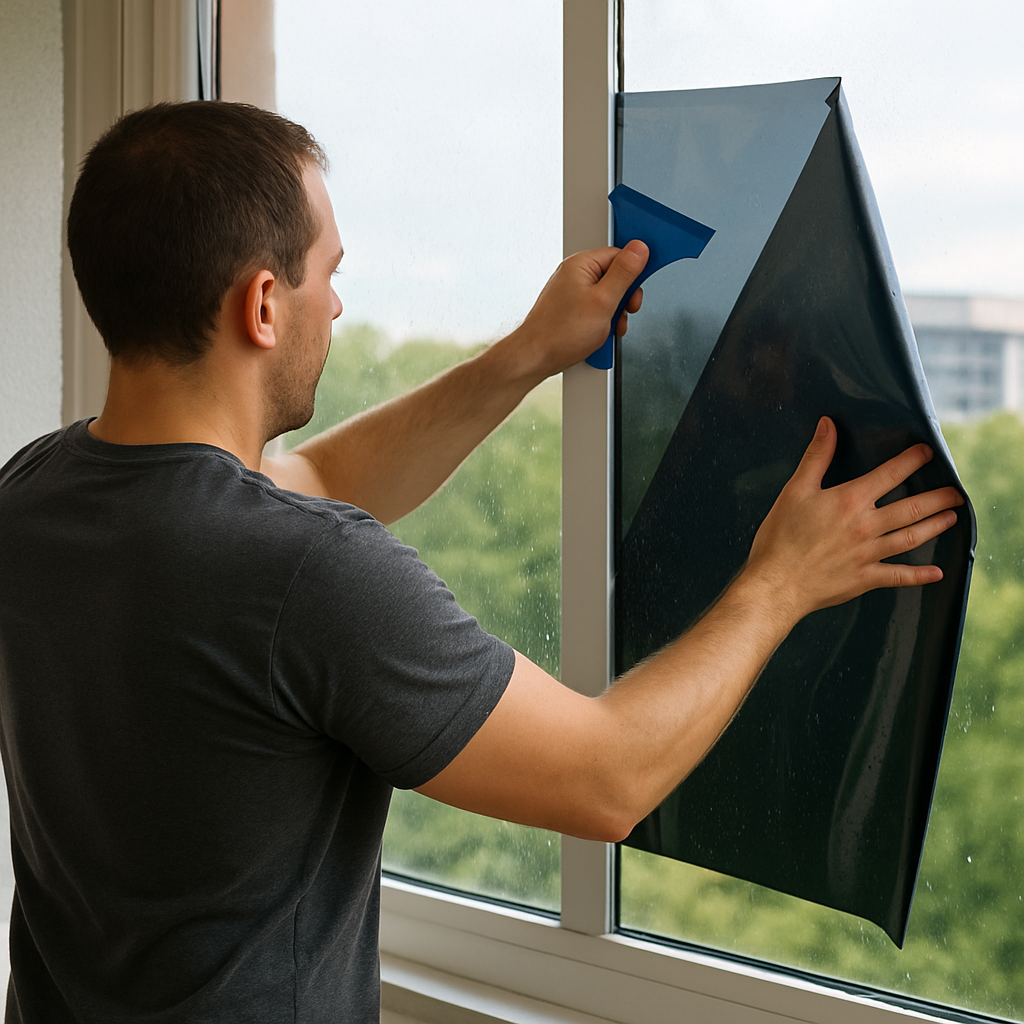
Window tinting involves applying a thin film to your windows to reduce heat and glare, block harmful UV rays, and increase privacy. It’s a popular choice for homeowners looking to improve energy efficiency and protect their furniture from fading. Window films come in various shades and types, including decorative, solar, and security films. But how do these films impact your beloved houseplants?
How Window Tinting Affects Plants
Plants need sunlight to perform photosynthesis, the process by which they convert light energy into chemical energy to grow. Therefore, any alteration in light exposure can affect their health. Here’s what you need to know about window tinting and plants:
Light Transmission
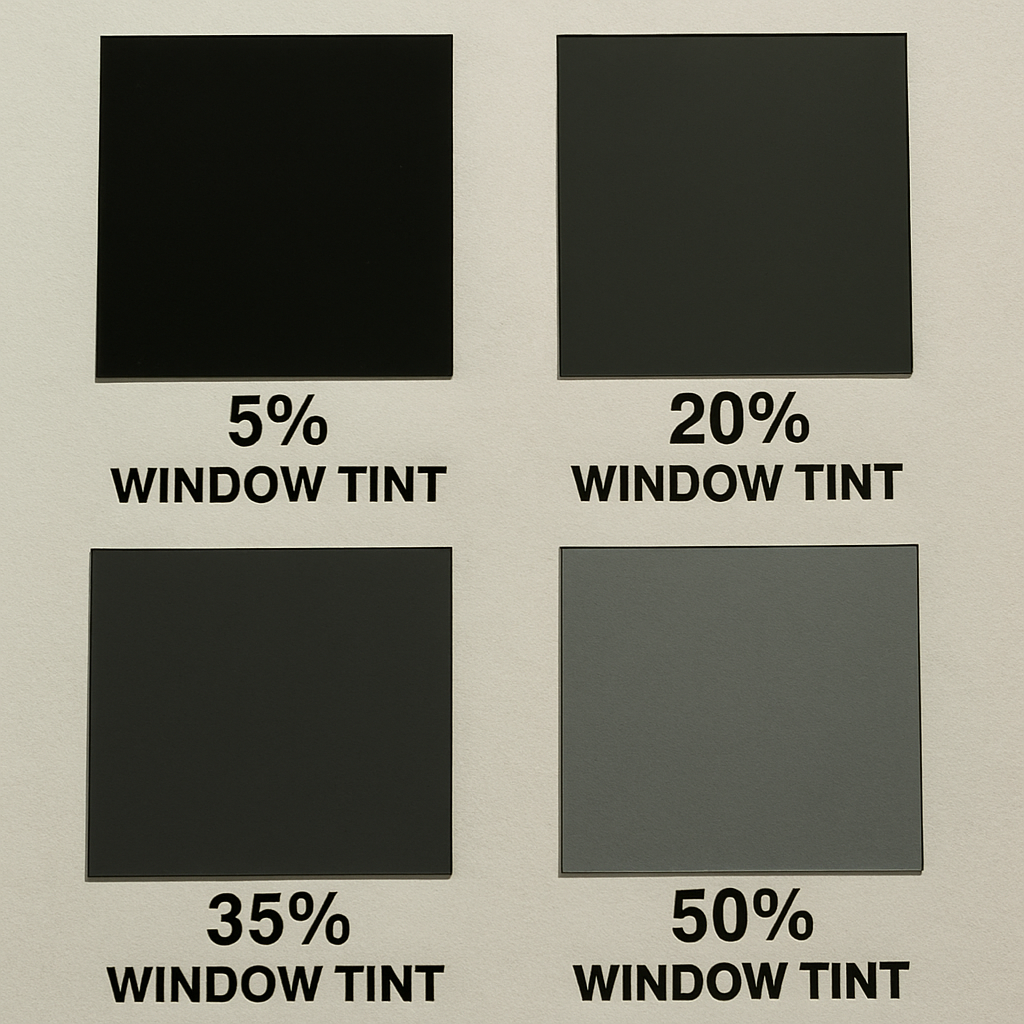
Window films reduce the amount of light entering your space. While this can be beneficial in preventing sun damage to furniture, it can also limit the light available to your plants. Depending on the type and darkness of the tint, some films can block up to 99% of UV rays. However, many plants don’t rely on UV rays alone, as they primarily use visible light for photosynthesis.
Temperature Control
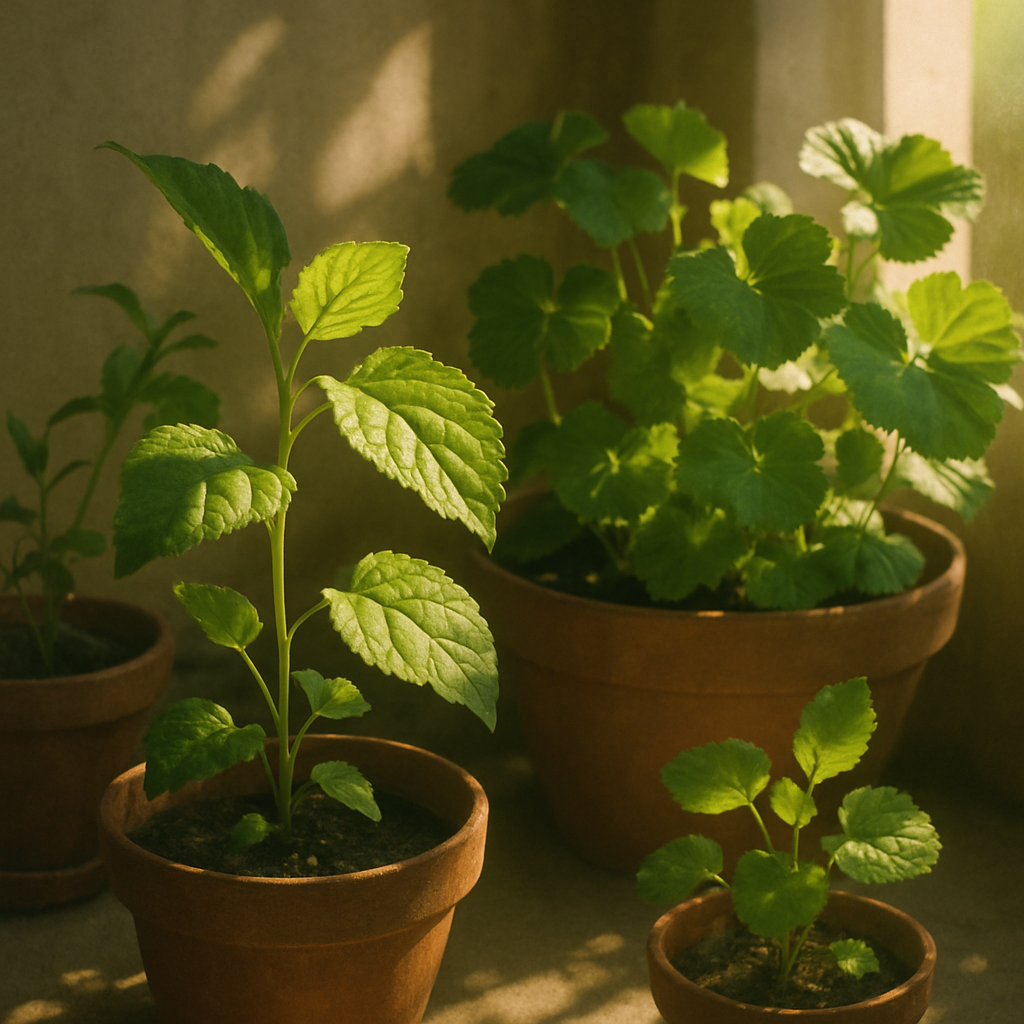
Window tinting can help regulate indoor temperatures by blocking excess heat. This can create a more stable environment for your plants, especially during extreme weather conditions. By reducing heat, window films can prevent overheating and dehydration in plants, particularly those near windows.
UV Protection
While UV rays can be harmful to furniture and skin, they are not essential for plant growth. Most plants use blue and red light from the visible spectrum for photosynthesis. Therefore, a window film that blocks UV rays but allows visible light to pass through won’t necessarily harm your plants.
Choosing the Right Window Film for Your Plants
To ensure your plants remain healthy while benefiting from window tinting, consider these factors when selecting a window film:
Light Requirements of Your Plants
Different plants have varying light needs. For example, succulents and cacti require bright, direct sunlight, while ferns and snake plants thrive in lower light conditions. Assess the light needs of your plants before choosing a window film. If your plants require high light, opt for a lighter tint that allows more visible light to pass through.
Window Orientation
The direction your windows face can influence the amount of light your plants receive. South-facing windows typically get the most sunlight, while north-facing windows receive the least. Consider your window orientation when selecting a film to ensure your plants get the right amount of light.
Type of Window Film
There are several types of window films available, each with different properties:
- Solar Control Films: These films reduce heat and glare while allowing ample visible light to pass through. They’re ideal for maintaining a bright environment for plants.
- Decorative Films: These offer privacy and aesthetic appeal but may vary in light transmission. Choose options that balance design and light needs.
- Security Films: While primarily for protection, these films can also offer solar control benefits. Ensure they don’t excessively block light for your plants.
Tips for Keeping Plants Healthy with Window Tinting
To make the most of window tinting without sacrificing your plants’ health, follow these tips:
Monitor Plant Health
Keep an eye on your plants after installing window film. Look for signs of distress, such as yellowing leaves or stunted growth, which may indicate insufficient light. Adjust the positioning of your plants if necessary.
Supplement with Artificial Light

by Caleb Cheung (https://unsplash.com/@cheungkarlok)
If your plants aren’t getting enough natural light, consider using artificial grow lights. These can provide the necessary light spectrum for photosynthesis and help your plants thrive despite reduced sunlight from tinted windows.
Rotate Plants Regularly
Rotate your plants periodically to ensure even light distribution. This helps all parts of the plant receive adequate light and prevents uneven growth.
Adjust Watering Schedule
Window tinting can alter the microclimate around your plants. Monitor the soil moisture and adjust your watering schedule as needed to prevent overwatering or underwatering.
The Benefits of Window Tinting for Plant Lovers
While it’s essential to ensure your plants receive adequate light, window tinting offers several benefits for plant lovers:
Energy Efficiency
Window films can significantly reduce energy costs by minimizing heat gain in the summer and heat loss in the winter. This creates a more comfortable environment for both you and your plants.
Protection from Harmful UV Rays
Window tinting protects your indoor environment from harmful UV rays, reducing the risk of sun damage to both your plants and furnishings.
Improved Aesthetics
Decorative window films can enhance the visual appeal of your space, complementing your interior design while providing privacy.
Conclusion
Window tinting and plants can coexist harmoniously with the right approach. By understanding your plants’ light needs and selecting an appropriate window film, you can enjoy the benefits of energy efficiency and UV protection without sacrificing your greenery. With a bit of planning, you can create a beautiful, plant-friendly environment that enhances your living space.
Remember, each plant is unique, and their needs may vary. Be attentive to their health and make adjustments as needed. By doing so, you can enjoy the best of both worlds – a stylish, energy-efficient home and thriving houseplants.