Categories
Window Films & Tints

Common Questions About Heat Blocking Window Film

# Common Questions About Heat Blocking Window Film

As an interior designer, you’re always on the lookout for innovative solutions that not only enhance the aesthetic appeal of a space but also improve its functionality. Heat blocking window film is one such solution that offers the perfect blend of style and practicality. This article addresses common questions about heat blocking window film, helping you understand its benefits of window films, applications, and installation process.

Heat blocking window film is a thin layer of polyester or similar material that is applied to the surface of windows. It is designed to reflect and absorb the sun’s heat, thereby reducing the amount of heat that enters a building. This film can significantly improve the energy efficiency of a home by reducing the reliance on air conditioning during hot summer months. According to the U.S. Department of Energy, window films can help reduce heat gain and improve indoor comfort.

How Does Heat Blocking Window Film Work?

The film works by reflecting a portion of the sun’s rays away from the window, while absorbing the heat that does make it through. This dual action helps to keep indoor temperatures cooler and more consistent. Additionally, some films are coated with a low-emissivity layer that minimizes heat loss through the windows in colder months, providing year-round benefits.

What Are the Benefits of Using Heat Blocking Window Film?

Energy Efficiency

One of the primary benefits of heat blocking window film is its ability to improve energy efficiency. By reducing the amount of heat that enters or escapes a building, this film can help lower energy bills and reduce carbon footprints. This is especially beneficial for clients who are environmentally conscious and looking to adopt more sustainable practices. The National Renewable Energy Laboratory highlights window technologies as a key factor in building energy performance.

Enhanced Comfort

By minimizing heat gain and loss, heat blocking window film can help maintain a more consistent indoor temperature. This creates a more comfortable living environment for your clients, reducing the need for constant adjustments to heating and cooling systems.

UV Protection
sunlight_through_window_with_film

Heat blocking window film also offers protection against the sun’s harmful UV rays, which can cause fading and damage to furniture, flooring, and artwork. This added layer of protection helps preserve the interior décor, ensuring that the space remains visually appealing for years to come.

Privacy and Aesthetics

Some heat blocking films also serve as privacy window films, offering varying degrees of opacity to obscure the view from outside without sacrificing natural light. This can be particularly appealing for clients looking to maintain privacy without resorting to heavy curtains or blinds. Moreover, window films are available in a variety of tints and finishes, allowing you to complement any design style.

What Types of Heat Blocking Window Films Are Available?

There are several types of heat blocking window films to consider, each with its unique features and benefits:

  • Dyed Window Films: These films absorb solar heat and are available in various shades and colors. They are typically more affordable but may not offer as much heat reduction as other types.
  • Metalized Window Films: These films have a thin layer of metal that reflects heat and light. They offer superior heat rejection but can sometimes create a mirrored effect, altering the appearance of the window from the outside.
  • Ceramic Window Films: Made from non-metallic, non-conductive ceramic particles, these films offer excellent heat rejection without altering the window’s appearance. They are also highly durable and resistant to fading.
  • Multi-layer Optical Films: These high-performance films are designed to reflect infrared rays while allowing visible light to pass through. They provide exceptional heat reduction without compromising on natural light.

How is Heat Blocking Window Film Installed?

The installation process for heat blocking window film is straightforward but requires precision to ensure optimal performance:

  1. Surface Preparation: The window surface must be thoroughly cleaned to remove any dirt, dust, or debris that could affect adhesion.
  2. Cutting the Film: The film is measured and cut to fit the window’s dimensions, leaving a small margin around the edges.
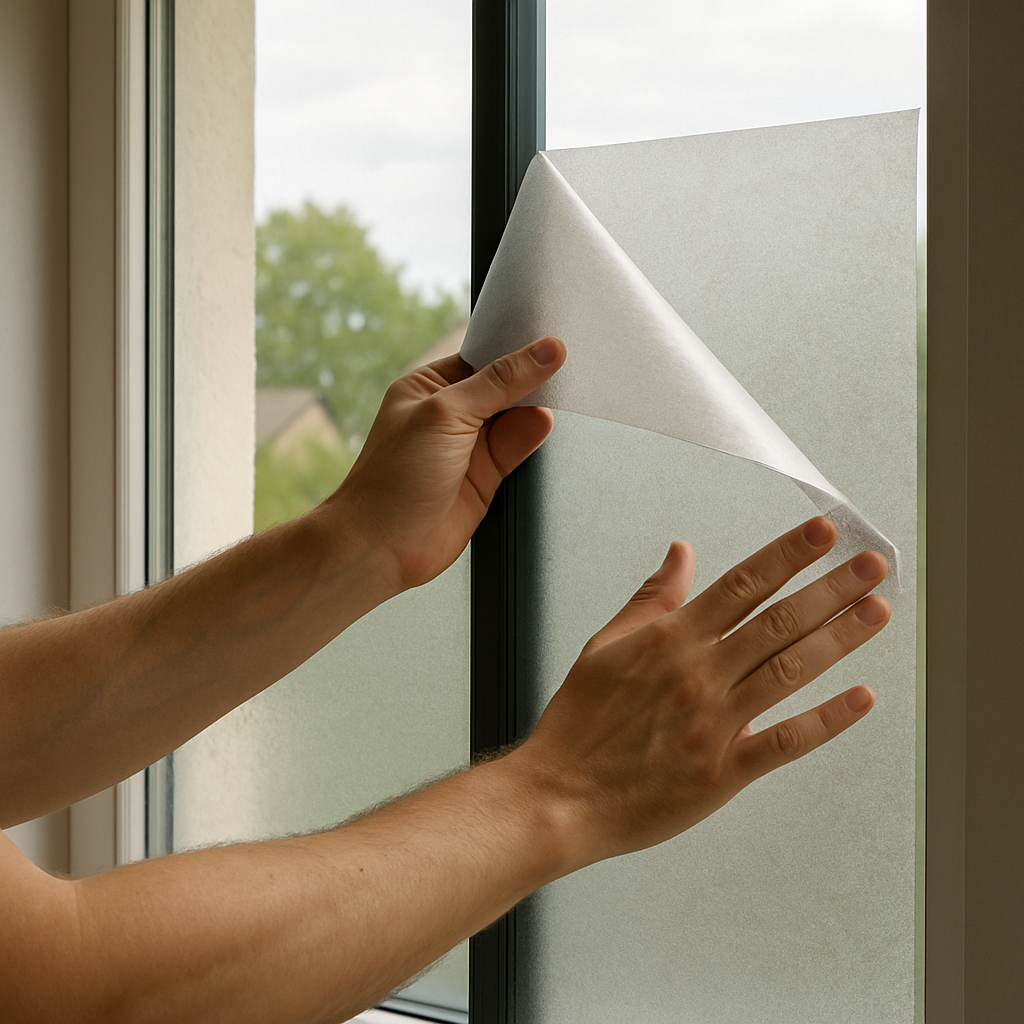
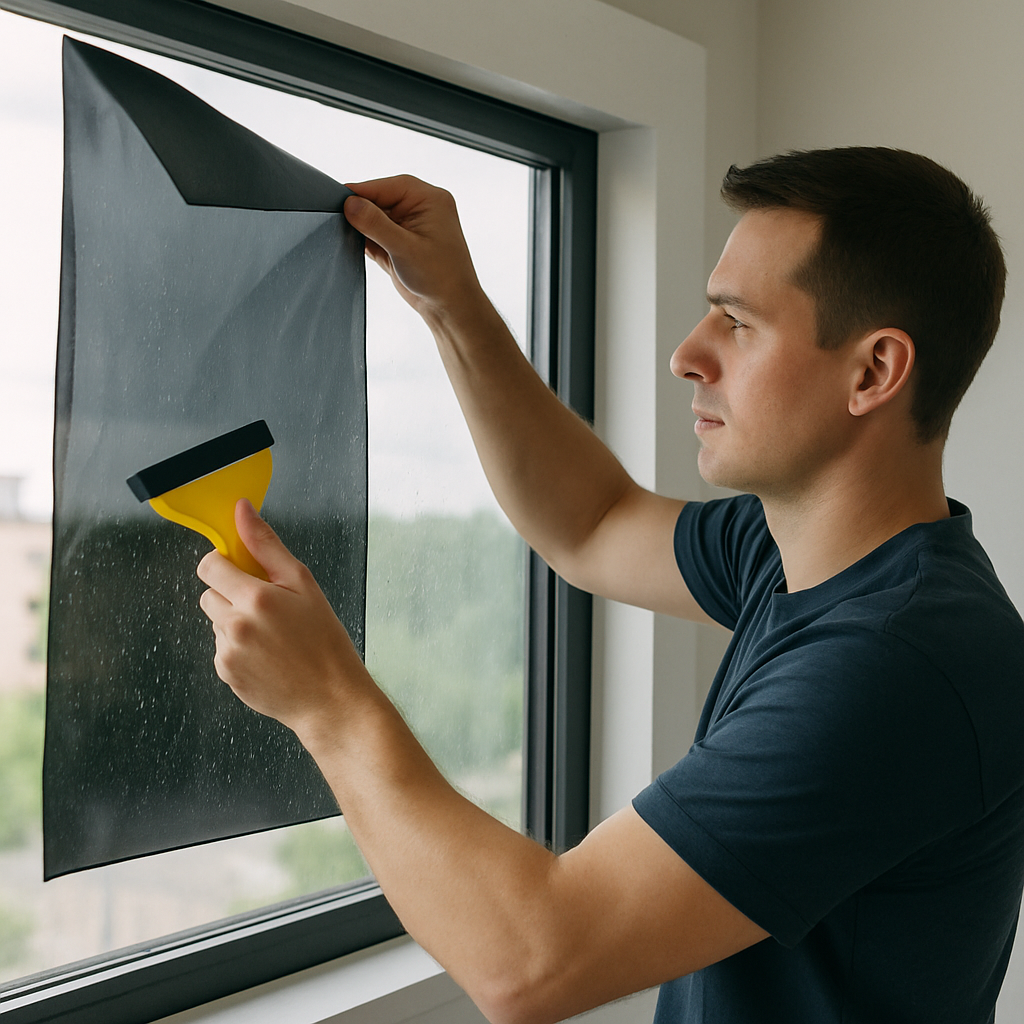
  3. Applying the Film: The film is carefully applied to the window using a squeegee to remove air bubbles and ensure a smooth finish.
  4. Trimming and Sealing: Excess film is trimmed, and the edges are sealed to prevent peeling or lifting.

While DIY installation kits are available, professional installation is recommended for the best results, especially for large or complex windows.

How Long Does Heat Blocking Window Film Last?

window_film_durability

by Egor Myznik (https://unsplash.com/@vonshnauzer)

The lifespan of heat blocking window film varies depending on the type and quality of the film, as well as environmental factors. High-quality films can last anywhere from 10 to 20 years with proper maintenance. Regular cleaning with non-abrasive solutions and avoiding harsh chemicals can help extend the film’s longevity.

Is Heat Blocking Window Film a Cost-Effective Solution?

In terms of upfront costs, heat blocking window film is a relatively affordable option compared to other window treatments or energy-efficient upgrades. The energy savings achieved through reduced heating and cooling costs can offset the initial investment over time. Additionally, the added benefits of UV protection and enhanced comfort make it a valuable addition to any home.

Conclusion

Heat blocking window film is an excellent solution for interior designers seeking to improve energy efficiency, enhance comfort, and protect interior furnishings. By understanding its benefits and installation process, you can confidently recommend this innovative solution to your clients, helping them create stylish, eco-friendly living spaces that stand the test of time.

Whether you’re addressing a client’s need for privacy, aesthetics, or energy savings, heat blocking window film offers a versatile and practical option that can be tailored to meet individual requirements.
Categories
Window Films & Tints

Window Films That Help Block Out Cold Weather

# Window Films That Help Block Out Cold Weather

When temperatures drop, keeping your home warm and energy-efficient becomes a priority. One effective solution to consider is insulating window films designed to block out the cold. These films not only help in maintaining a comfortable indoor environment but also offer energy savings. In this article, we’ll explore how insulating window films can be a game-changer for your home.

Understanding Insulating Window Films

Insulating window films are thin layers applied to the interior side of your windows. They are specifically designed to improve the thermal performance of windows by reducing heat loss. Let’s dive into how these films work and why they are a worthwhile investment.

How Do Thermal Window Films Work?

Thermal window films are engineered to reflect heat back into your home. During the colder months, they act as a barrier, preventing the warmth generated indoors from escaping through the windows. This reflective property is key to improving the overall insulation of your windows. According to the U.S. Department of Energy, improving window insulation can significantly reduce heat loss and energy consumption.

The Benefits of Window Films for Cold Weather

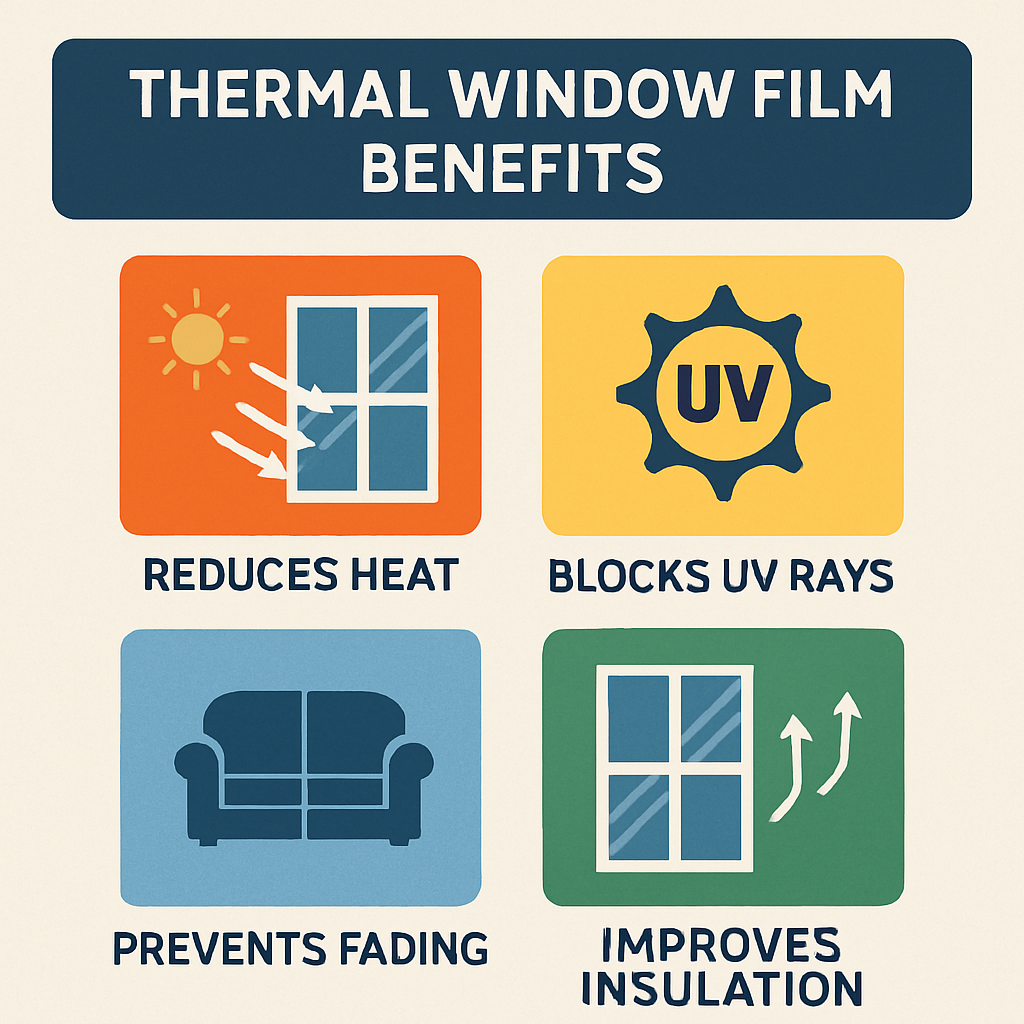
  1. Energy Efficiency: By reducing the amount of heat that escapes through your windows, thermal films help lower your heating bills. This means more savings for you over time.
  2. Comfort: With less heat loss, your home remains warmer, ensuring a cozy environment for you and your family during the chilly months.
  3. UV Protection: Many insulating films also block harmful UV rays, protecting your furnishings from fading and prolonging their lifespan. The Environmental Protection Agency notes that limiting UV exposure helps protect materials and indoor environments.
  4. Aesthetic Appeal: Available in various styles and tints, window films can enhance the look of your windows without obstructing your view.
thermal window film benefits

Choosing the Right Window Film for Your Home

Selecting the right window film requires consideration of several factors, including your specific needs and preferences. Here are some tips to guide you:

Assess Your Needs

  • Energy Savings: If your primary goal is to reduce energy bills, look for films with high thermal performance ratings.
  • Aesthetic Preferences: Consider films that complement your interior design. There are options with different tints and finishes to suit various styles.
  • UV Protection: If preserving your furniture and flooring is a concern, choose films with strong UV-blocking capabilities. You can also review efficiency recommendations from the Natural Resources Canada energy efficiency guide.

Professional Installation vs. DIY

While some homeowners opt for DIY window film installation, professional installation ensures optimal results. Professionals have the experience and tools to apply the film smoothly without bubbles or creases, ensuring maximum effectiveness and longevity.

Case Study: Transforming a Home with Window Films

Consider the example of a homeowner in a cold climate who struggled with high heating bills and uncomfortable drafts. After installing thermal window films, they noticed a significant drop in energy consumption and an increase in indoor comfort. The films also added a sleek look to their windows, enhancing the overall aesthetic of their living space.

Maintenance and Care for Window Films

To ensure your window films continue to perform optimally, regular maintenance is essential. Here are some care tips:

  • Cleaning: Use a soft, damp cloth to clean the films. Avoid abrasive cleaners that can damage the film’s surface.
  • Inspection: Periodically check for any signs of peeling or damage. Prompt repair can prevent further issues and maintain effectiveness.
window film maintenance tips

by Saad Ahmad (https://unsplash.com/@saadahmad_umn)

Conclusion: A Worthwhile Investment for Cold Weather

Investing in insulating window films is a smart move for any homeowner looking to improve energy efficiency and comfort during the cold months. With the added benefits of UV protection and enhanced aesthetics, these films offer a comprehensive solution for modern homes.

By choosing the right film and ensuring proper installation, you can enjoy a warmer, more energy-efficient home while also adding a touch of style to your windows. Whether you’re an interior designer seeking innovative solutions for clients or a homeowner looking to enhance your living space, window films designed for cold weather are a practical and stylish choice.

Remember, when it comes to window films, quality and precision in installation make all the difference. Consider consulting with a professional to explore the best options for your needs and ensure a seamless installation process.

By embracing this innovative solution, you’re not just blocking out the cold—you’re enhancing your home’s overall comfort and efficiency. Make the change today and experience the benefits for yourself.

Categories
Window Films & Tints

Accurate Window Film Measurement Tips for DIY Projects

# Window Films That Help Block Out Cold Weather

When temperatures drop, keeping your home warm and energy-efficient becomes a priority. One effective solution to consider is insulating window films designed to block out the cold. These films not only help in maintaining a comfortable indoor environment but also offer energy savings. In this article, we’ll explore how insulating window films can be a game-changer for your home.

Understanding Insulating Window Films

Insulating window films are thin layers applied to the interior side of your windows. They are specifically designed to improve the thermal performance of windows by reducing heat loss. Let’s dive into how these films work and why they are a worthwhile investment.

How Do Thermal Window Films Work?

Thermal window films are engineered to reflect heat back into your home. During the colder months, they act as a barrier, preventing the warmth generated indoors from escaping through the windows. This reflective property is key to improving the overall insulation of your windows. According to the U.S. Department of Energy, improving window insulation can significantly reduce heat loss and energy consumption. Additional research from the National Research Council Canada highlights that improving window efficiency is one of the most effective ways to enhance overall building energy performance.

The Benefits of Window Films for Cold Weather

  1. Energy Efficiency: By reducing the amount of heat that escapes through your windows, thermal films help lower your heating bills. This means more savings for you over time.
  2. Comfort: With less heat loss, your home remains warmer, ensuring a cozy environment for you and your family during the chilly months.
  3. UV Protection: Many insulating films also block harmful UV rays, protecting your furnishings from fading and prolonging their lifespan. The Environmental Protection Agency notes that limiting UV exposure helps protect materials and indoor environments.
  4. Aesthetic Appeal: Available in various styles and tints, window films can enhance the look of your windows without obstructing your view.
thermal window film benefits

Choosing the Right Window Film for Your Home

Selecting the right window film requires consideration of several factors, including your specific needs and preferences. Here are some tips to guide you:

Assess Your Needs

  • Energy Savings: If your primary goal is to reduce energy bills, look for films with high thermal performance ratings.
  • Aesthetic Preferences: Consider films that complement your interior design. There are options with different tints and finishes to suit various styles.
  • UV Protection: If preserving your furniture and flooring is a concern, choose films with strong UV-blocking capabilities.

Professional Installation vs. DIY

While some homeowners opt for DIY window film installation, professional installation ensures optimal results. Professionals have the experience and tools to apply the film smoothly without bubbles or creases, ensuring maximum effectiveness and longevity.

Case Study: Transforming a Home with Window Films

Consider the example of a homeowner in a cold climate who struggled with high heating bills and uncomfortable drafts. After installing thermal window films, they noticed a significant drop in energy consumption and an increase in indoor comfort. The films also added a sleek look to their windows, enhancing the overall aesthetic of their living space.

Maintenance and Care for Window Films

To ensure your window films continue to perform optimally, regular maintenance is essential. Here are some care tips:

  • Cleaning: Use a soft, damp cloth to clean the films. Avoid abrasive cleaners that can damage the film’s surface.
  • Inspection: Periodically check for any signs of peeling or damage. Prompt repair can prevent further issues and maintain effectiveness.
window film maintenance tips

by Saad Ahmad (Saad Ahmad on Unsplash)

Conclusion: A Worthwhile Investment for Cold Weather

Investing in insulating window films is a smart move for any homeowner looking to improve energy efficiency and comfort during the cold months. With the added benefits of UV protection and enhanced aesthetics, these films offer a comprehensive solution for modern homes.

By choosing the right film and ensuring proper installation, you can enjoy a warmer, more energy-efficient home while also adding a touch of style to your windows. Whether you’re an interior designer seeking innovative solutions for clients or a homeowner looking to enhance your living space, window films designed for cold weather are a practical and stylish choice.

Remember, when it comes to window films, quality and precision in installation make all the difference. Consider consulting with a professional to explore the best options for your needs and ensure a seamless installation process.

By embracing this innovative solution, you’re not just blocking out the cold—you’re enhancing your home’s overall comfort and efficiency. Make the change today and experience the benefits for yourself.

Categories
Window Films & Tints

How to Estimate the Cost of Window Film Installation

When considering ways to enhance the beauty and functionality of your home, window film installation is an excellent choice. It offers numerous benefits, from energy efficiency to increased privacy and security. However, understanding the cost involved in window film installation can be a bit daunting. In this guide, we’ll break down the factors that affect the cost and help you estimate what you might expect to pay for this valuable home improvement.

Before diving into costs, let’s quickly discuss why window film is a popular choice among homeowners and interior designers. Window films can:

  • Reduce Energy Costs: By blocking out heat in the summer and retaining heat in the winter, window films can significantly lower your energy bills.
  • Enhance Privacy: Certain films offer increased privacy, preventing outsiders from peering into your home.
  • Protect Against UV Rays: Window films can block up to 99% of harmful UV rays, which protects your furniture and floors from fading.
  • Improve Security: Security films add a layer of protection, making it more difficult for intruders to break in through your windows.

Factors Influencing Window Film Installation Cost

Several factors can influence the cost of installing window film. Understanding these will help you make an informed decision.

Type of Window Film

The type of film you choose greatly affects the cost. Here are some common types:

  • Solar Control Films: These are designed to control the amount of heat and light that enters your home. They are typically mid-range in price.
  • Decorative Films: Used for aesthetic purposes, these films are available in various patterns and colors and can vary in price depending on the complexity of the design.
  • Security Films: These are thicker and more durable, designed to hold glass together in case of breakage. They are usually more expensive due to their added protective features.
  • Privacy Films: These films are designed to obstruct view from outside, providing privacy while allowing light to enter. Their cost can vary based on opacity and design.

Size and Number of Windows

The size and number of windows you plan to cover will directly impact the cost. Larger windows or a greater number of windows will increase both material and labor costs.

Window Shape and Accessibility

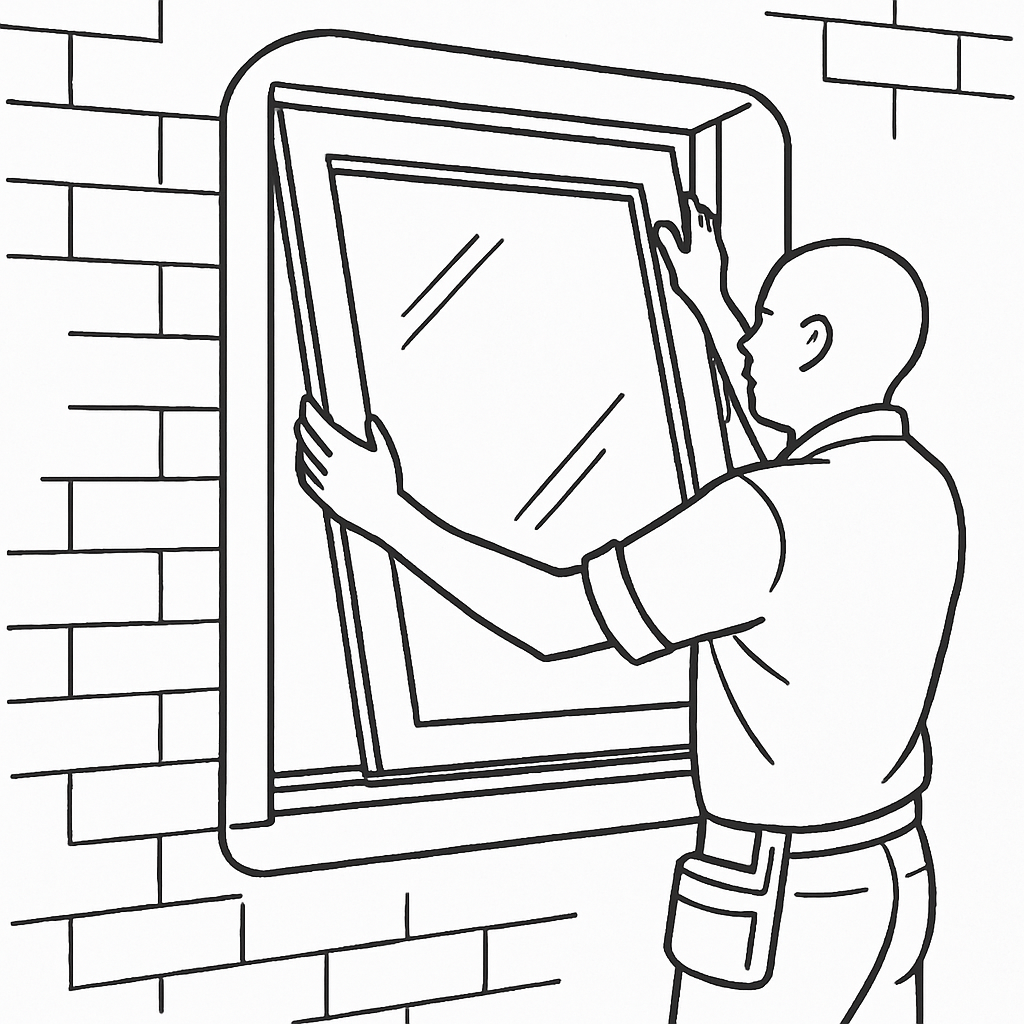
Window shape and accessibility affecting installation

Unique window shapes, such as arches or circles, may require custom cutting and installation, which can add to the overall cost. Additionally, windows that are difficult to reach (e.g., those on higher floors or behind landscaping) may incur higher labor costs.

Quality of Film

Higher-quality films generally cost more but offer better durability and performance. Investing in a premium film can be more cost-effective in the long run due to its longer lifespan and superior features.

Professional Installation vs. DIY

While some homeowners may opt for a DIY approach to save money, professional installation ensures a perfect fit and finish. Professional installers have the tools and experience needed to avoid bubbles, wrinkles, and other common issues. The cost of professional installation can vary, but it is often worth the investment for the quality of the outcome.

Estimating the Cost

Basic Cost Breakdown

On average, window film installation costs can range from $5 to $15 per square foot. This estimate typically includes both materials and labor for professional installation. Here’s a simple breakdown:

  • Basic Solar Control Film: $5 to $8 per square foot
  • Decorative or Privacy Film: $6 to $12 per square foot
  • Security Film: $7 to $15 per square foot

Additional Considerations

  • Removal of Existing Film: If your windows currently have film that needs removal, this could add an additional $1 to $2 per square foot.
  • Warranty: Some installations come with warranties that can affect the price. Be sure to inquire about the warranty terms when getting a quote.

Example Calculation

Let’s say you have a living room with three large windows, each measuring 4 feet by 6 feet. You decide on a solar control film, and the installation quote is $8 per square foot.

  1. Calculate the Area: 4 ft x 6 ft = 24 sq ft per window; 24 sq ft x 3 windows = 72 sq ft total.
  2. Estimate the Cost: 72 sq ft x $8/sq ft = $576.

This is a rough estimate and actual costs can vary based on the factors discussed.

Tips for Reducing Costs

Cost-saving tips for window film installation

by Kevin Grieve (https://unsplash.com/@grievek1610begur)

  • Compare Quotes: Get multiple quotes from different installers to ensure you’re getting a competitive price.
  • Consider Bulk Discounts: Some companies offer discounts for larger projects or multiple windows.
  • Look for Promotions: Installers may have seasonal promotions or discounts for new customers.
  • Choose the Right Film: Balance your budget with the film’s functionality and benefits. Sometimes spending a bit more initially can save money in the long run.

Conclusion

Understanding the cost of window film installation involves considering various factors such as the type of film, the size of your windows, and whether you choose professional installation. With the right approach, window films can be a cost-effective solution to enhance your home’s energy efficiency, privacy, and aesthetics. By taking the time to compare options and understand the costs involved, you can make an informed decision that fits your needs and budget.

Categories
Window Films & Tints

How to Choose the Right Bathroom Window Privacy

When it comes to bathroom privacy, windows can be a tricky aspect of the design. While natural light is essential for creating a bright and airy space, you also need to ensure privacy without compromising on style. The good news is that there are several options available that can help you achieve both privacy and aesthetics. This guide will walk you through choosing the right bathroom window privacy solution, focusing on privacy window films as a versatile and effective option.

Privacy window films are a popular choice for bathrooms because they offer a simple yet effective way to maintain privacy while allowing natural light to filter through. These films come in various styles, patterns, and levels of opacity, enabling you to customize the look of your bathroom windows to suit your design preferences.

What Are Privacy Window Films?

Privacy window films are thin sheets of material that adhere to your window glass. They are designed to obscure the view from outside while still allowing light to pass through. Depending on the style you choose, privacy films can range from fully opaque to semi-transparent, offering varying degrees of privacy.

Benefits of Privacy Window Films

  1. Enhanced Privacy: The primary benefit of privacy window films is that they prevent onlookers from seeing inside your bathroom, ensuring your personal space remains private.
  2. Aesthetic Appeal: With a wide range of designs and patterns, privacy films can enhance the visual appeal of your bathroom, adding a touch of elegance or modernity, depending on your style.
  3. Easy Installation: Installing privacy films is a straightforward process that doesn’t require professional help, making it a cost-effective solution.
  4. Light Control: While ensuring privacy, these films still allow natural light to enter, maintaining a well-lit environment.
  5. Energy Efficiency: Some privacy films also have heat-rejecting properties, helping to regulate the temperature in your bathroom and potentially lowering energy bills.

Types of Privacy Window Films

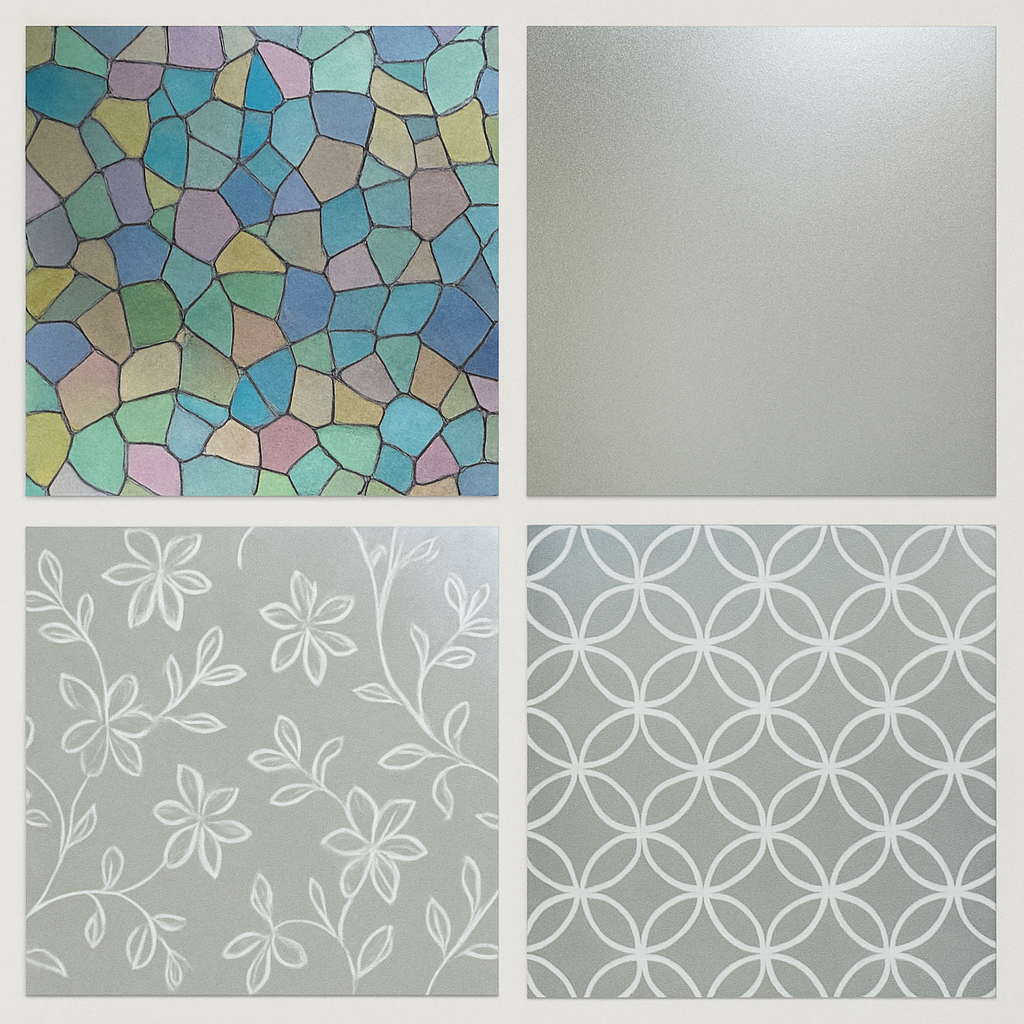
Decorative window film options

There are several types of privacy window films to choose from, each with its own unique features and benefits.

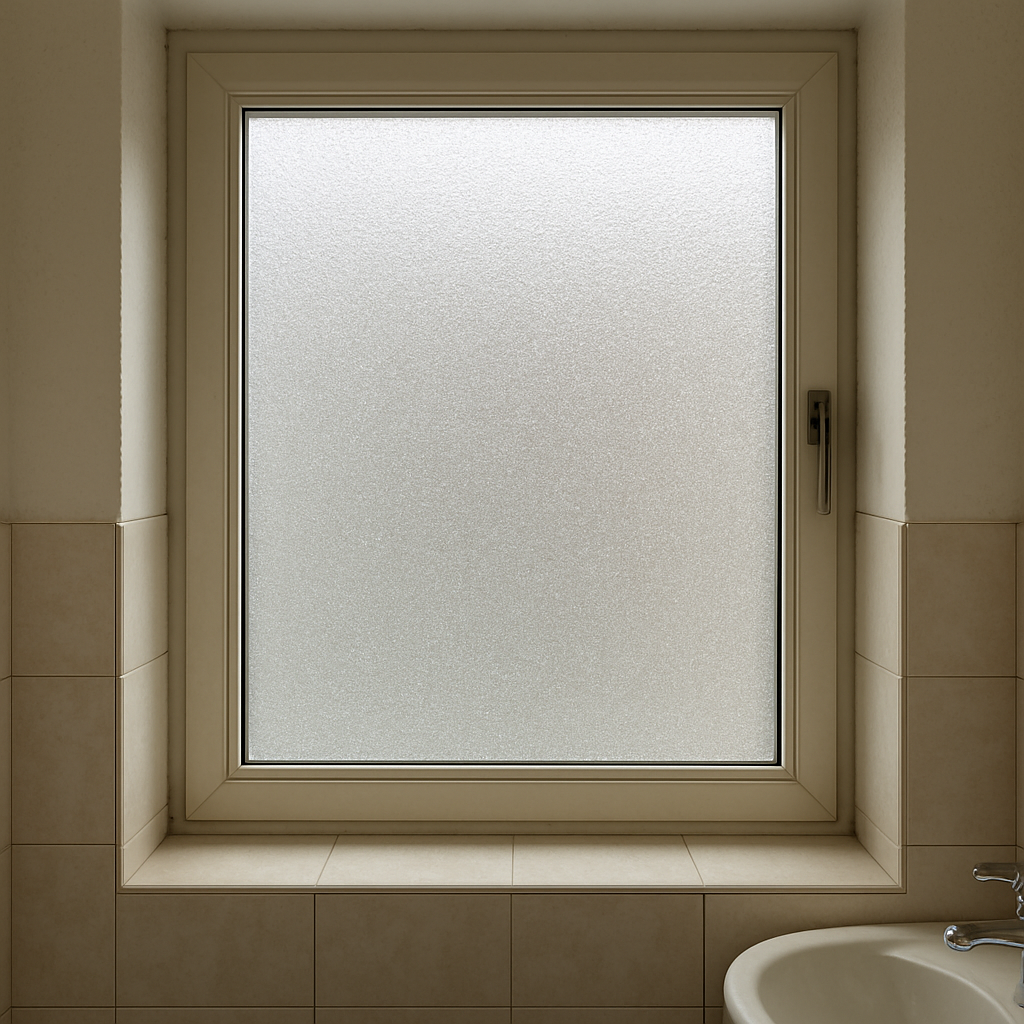
Frosted Window Film

Frosted window film is one of the most popular choices for bathrooms. It provides a soft, blurred effect that blocks the view from outside while allowing plenty of light to pass through. Frosted films are ideal for those who want a clean, minimalistic look.

Decorative Window Film

Decorative films come in a variety of patterns and designs, such as floral motifs, geometric shapes, or stained glass effects. These films add a decorative touch to your bathroom windows, making them an excellent choice for those looking to make a design statement.

Static Cling Film

Static cling films are non-adhesive and can be easily applied and removed without leaving any residue. This type of film is perfect for renters or anyone who may want to change their window design frequently.

One-Way Mirror Film

One-way mirror films offer privacy during the day by creating a reflective surface on the outside while allowing you to see out from the inside. However, they are less effective at night if the interior is brightly lit, so additional measures may be needed for nighttime privacy.

Choosing the Right Privacy Film for Your Bathroom

Selecting the right privacy film involves considering several factors, including your design preferences, privacy needs, and budget.

Assess Your Privacy Needs

Consider how much privacy you need in your bathroom. If your bathroom window faces a busy street or is close to a neighboring property, you may want a film with higher opacity. For bathrooms with less exposure, a semi-transparent film may suffice.

Consider the Aesthetic

Think about the overall design of your bathroom and how the window film can complement it. If you have a modern bathroom, a sleek, frosted film may be the best fit. For a more traditional or decorative space, consider a patterned or stained glass effect film.

Evaluate Installation and Maintenance

Privacy window films are generally easy to install, but some types, like decorative films with intricate patterns, may require more precision. Consider whether you’re comfortable installing the film yourself or if you might need professional help. Additionally, think about the ease of cleaning and maintaining the film to ensure it stays looking its best.

Budget Considerations

Privacy window films are available at various price points. Static cling films tend to be more affordable, while custom or high-end decorative films may cost more. Determine your budget before shopping to help narrow down your options.

Installation Tips for Privacy Window Films

Installing window film in a bathroom

by Blake Harbison (https://unsplash.com/@blake_harbison)

Installing privacy window films can be a DIY project if you follow these steps:

  1. Clean the Window: Ensure the window surface is clean and free of dust or debris, as these can affect the film’s adhesion.
  2. Measure and Cut: Measure the window dimensions accurately and cut the film to size, leaving a small margin for adjustments.
  3. Apply the Film: Peel off the backing and apply the film to the window, starting at the top. Use a squeegee or credit card to smooth out any bubbles or wrinkles as you work your way down.
  4. Trim the Edges: Once the film is in place, use a sharp utility knife to trim any excess film from the edges.
  5. Final Touches: Smooth out any remaining bubbles with the squeegee and wipe the film with a clean, damp cloth to finish.

Conclusion

Privacy window films offer an effective and stylish solution for bathroom window privacy. By considering your privacy needs, aesthetic preferences, and budget, you can choose the right film to enhance your bathroom while maintaining the privacy you desire. Whether you opt for a frosted, decorative, or static cling film, the right choice can transform your bathroom into a private oasis without sacrificing style or natural light. With the added benefits of easy installation and energy efficiency, privacy films are an excellent choice for any bathroom renovation or design project.

Categories
Window Films & Tints

A Beginner s Guide to Applying Window Film at Home

# A Beginner’s Guide to Applying Window Film at Home

Are you looking to enhance your home’s aesthetics or improve energy efficiency? Window film offers a variety of benefits that might just be the solution you need. In this guide, we’ll walk you through everything you need to know about applying window film at home, offering a practical approach that even beginners can follow.

Window film is a thin laminate film that can be installed on the interior or exterior of glass surfaces in homes, offices, or vehicles. It provides a variety of benefits, including heat reduction, UV blocking, glare reduction, and enhanced privacy. According to the U.S. Department of Energy, window films can significantly improve energy efficiency by reducing heat gain. The Environmental Protection Agency (EPA) also highlights the importance of managing indoor environmental conditions for comfort and health. For additional third-party guidance on how window films are evaluated and used on residential windows, you can also review the NFRC consumer guidance on window film and Natural Resources Canada’s information on upgrading windows and exterior doors for efficiency.

Benefits of Window Film

  1. Energy Efficiency: Window film can significantly reduce heating and cooling costs by minimizing heat transfer through windows.
  2. UV Protection: It blocks up to 99% of harmful UV rays, protecting your furnishings and flooring from fading.
  3. Privacy and Security: Window film enhances privacy and can add a layer of security by holding shattered glass in place.
  4. Aesthetic Appeal: Available in various designs and finishes, window film can add a decorative touch to your windows.

Preparing for Installation

Before you start applying window film, it’s essential to gather all the necessary tools and materials.

Tools and Materials Needed

  • Window film of your choice: Ensure it’s suitable for your specific application needs, whether it’s for privacy, UV protection, or decorative purposes.
  • Gila window film application solution: This solution helps in smooth application and prevents bubbles.
  • Squeegee: Used to smooth out the film and remove air bubbles.
  • Utility knife: For trimming the film to fit your window.
  • Tape measure: To measure window dimensions accurately.
  • Lint-free cloth: To clean the windows before application.
  • Spray bottle: Filled with the application solution.

Preparing Your Windows

  1. Clean the Windows: Use a lint-free cloth and a glass cleaner to ensure the windows are spotless. Any dust or dirt can create bubbles under the film.
  2. Measure and Cut the Film: Measure the window and cut the film slightly larger than the window dimensions. This allows for trimming after application.

Applying Window Film

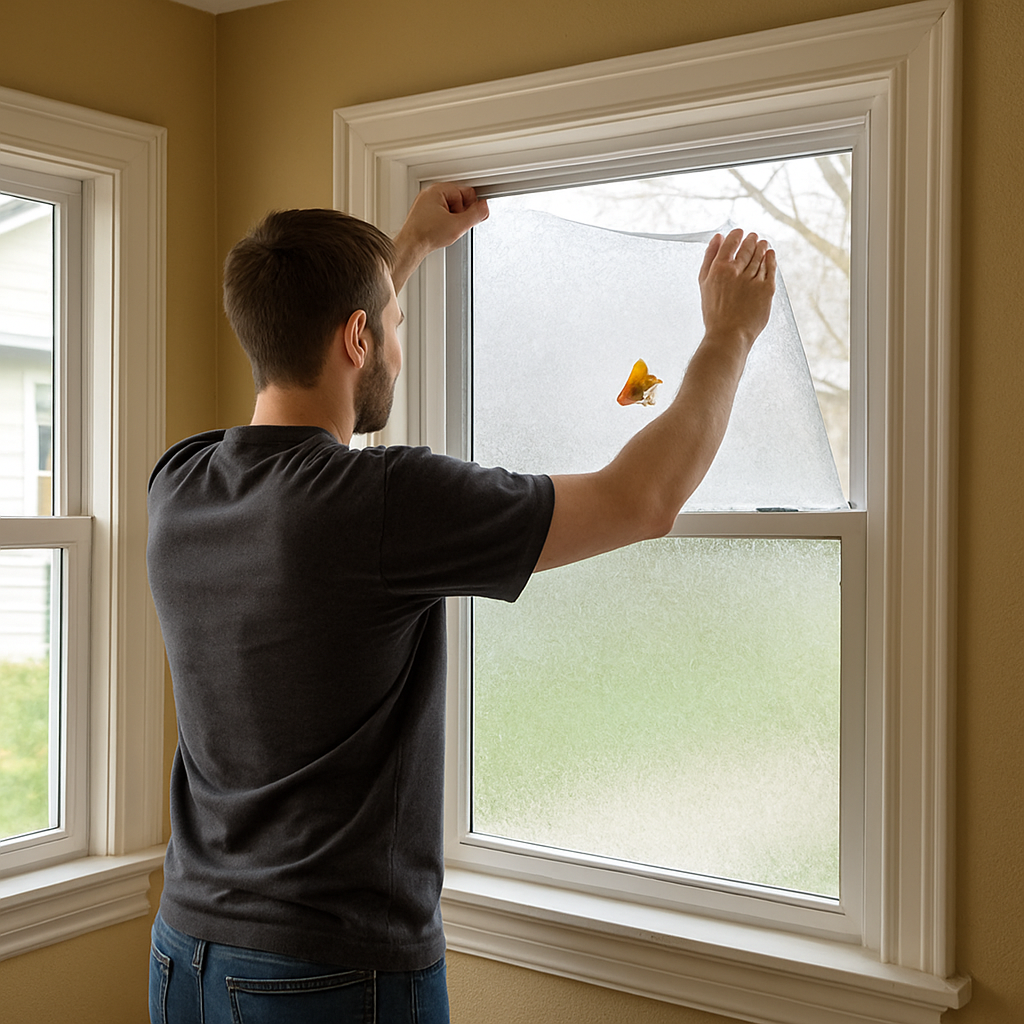
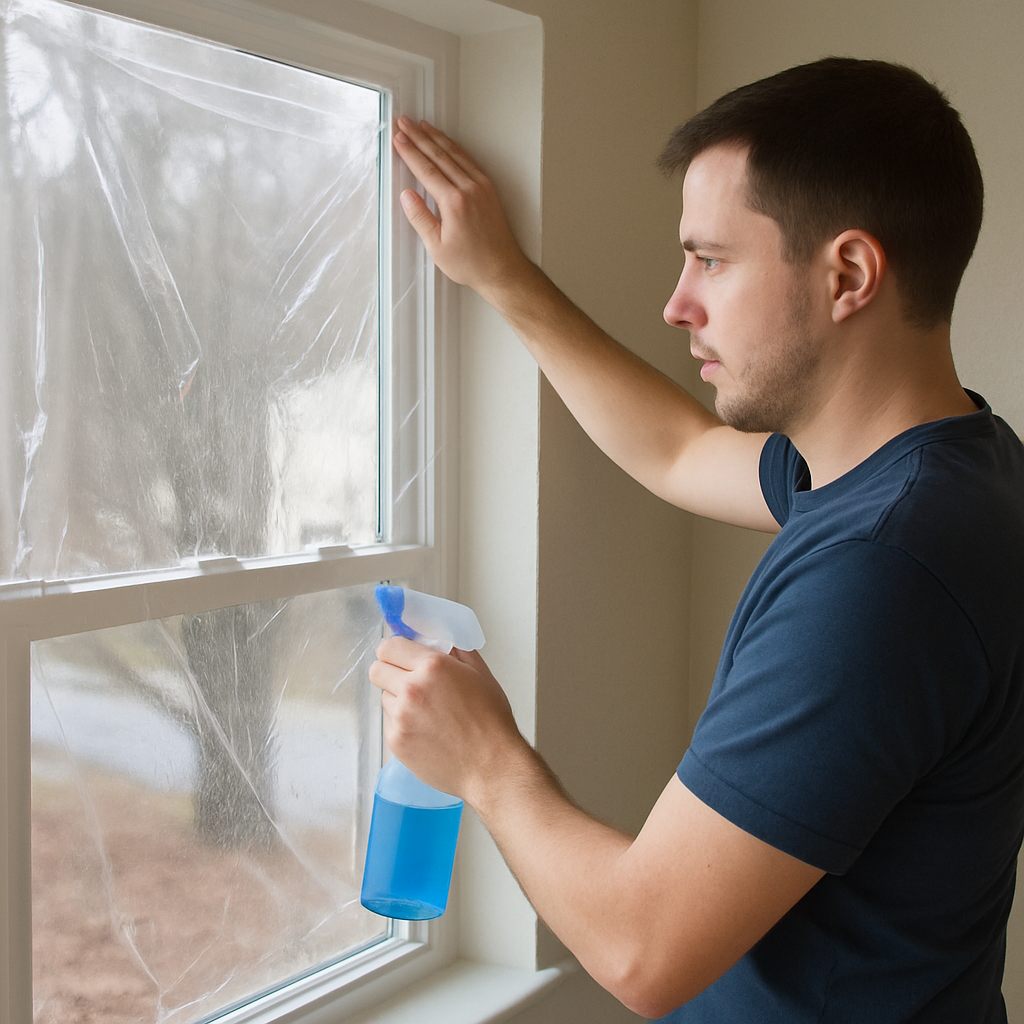
Applying window film

Now that you’re prepared, it’s time to apply the window film. Follow these steps for a smooth and professional finish.

Step-by-Step Application Guide

  1. Spray the Window: Use the spray bottle to apply the Gila window film application solution generously on the window. This helps the film slide into position.
  2. Peel the Film: Carefully peel the backing from the window film. This is easier with two people—one to hold and one to peel.
  3. Position the Film: Place the adhesive side of the film onto the wet window. Start at the top and let the film naturally adhere to the wet glass.
  4. Smooth the Film: Use the squeegee to gently smooth the film from the center outwards, pushing out any air bubbles or excess solution.
  5. Trim the Edges: Use the utility knife to trim the film to the exact size of the window. Be careful to make precise cuts for a neat finish.
  6. Final Touches: Re-squeegee the film to ensure all bubbles are removed and the film is firmly in place.

Common Mistakes to Avoid

  • Rushing the Process: Take your time to ensure each step is done correctly.
  • Not Using Enough Solution: The application solution is key to a bubble-free finish.
  • Inaccurate Cutting: Always measure twice and cut once to avoid wastage and ensure a perfect fit.

Maintaining Your Window Film

Proper maintenance can extend the life of your window film and keep it looking great.

Tips for Maintenance

  • Cleaning: Wait at least 30 days before cleaning your new film to ensure it has adhered properly. Use a soft cloth and mild soapy water.
  • Avoid Abrasives: Never use abrasive cleaners or tools that could scratch the film.
  • Regular Checks: Periodically check the film for any signs of peeling or bubbling and address these promptly.

Conclusion

Applying window film is a cost-effective and straightforward way to improve your home’s energy efficiency, privacy, and aesthetic appeal. With the right tools and a bit of patience, you can achieve professional-looking results.

By following this guide, even beginners can successfully apply window film at home. Whether you’re an interior designer seeking to enhance your client’s living spaces or a homeowner looking to add a personal touch, window film offers a versatile and practical solution.

Beautifully finished window with film

by Emily Fletke (https://unsplash.com/@emilyfletke)

With the knowledge and skills gained from this guide, you’re now ready to tackle your window film project with confidence and precision. Happy filming!