Categories
Window Films & Tints

How One-Sided Glass Film Enhances Privacy

In today’s world, where functionality meets aesthetics, glass protection films have become an integral part of modern interior design. Whether you’re an interior designer looking to enhance your client’s space or a homeowner aiming to improve privacy and energy efficiency, glass protection films offer a versatile solution. Let’s delve into the smart tips for choosing the right glass protection film that meets your needs.

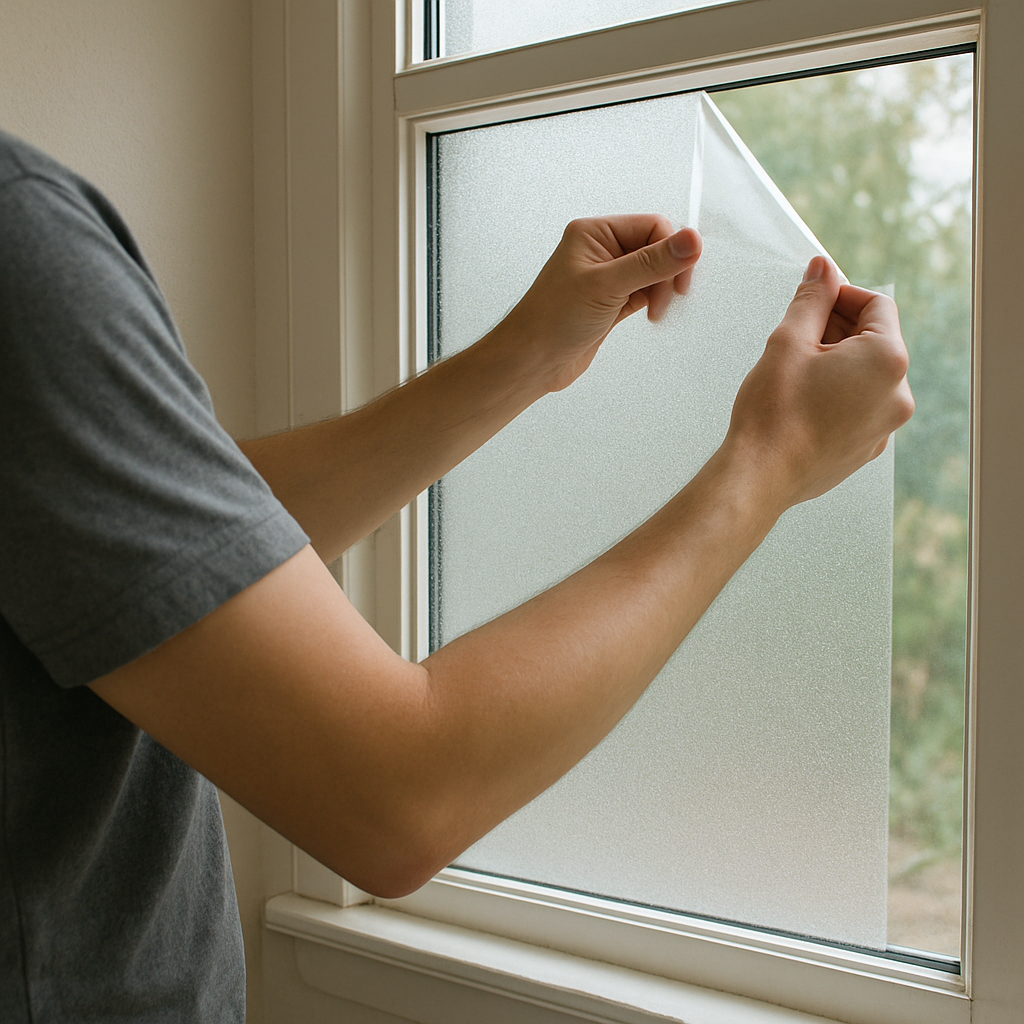
Glass protection film is a thin laminate that can be applied to glass surfaces. Its primary functions include improving safety, increasing privacy, reducing glare, and enhancing energy efficiency. These films come in various types, each tailored to meet different needs, such as decorative, solar control, and security films.

Types of Glass Protection Films

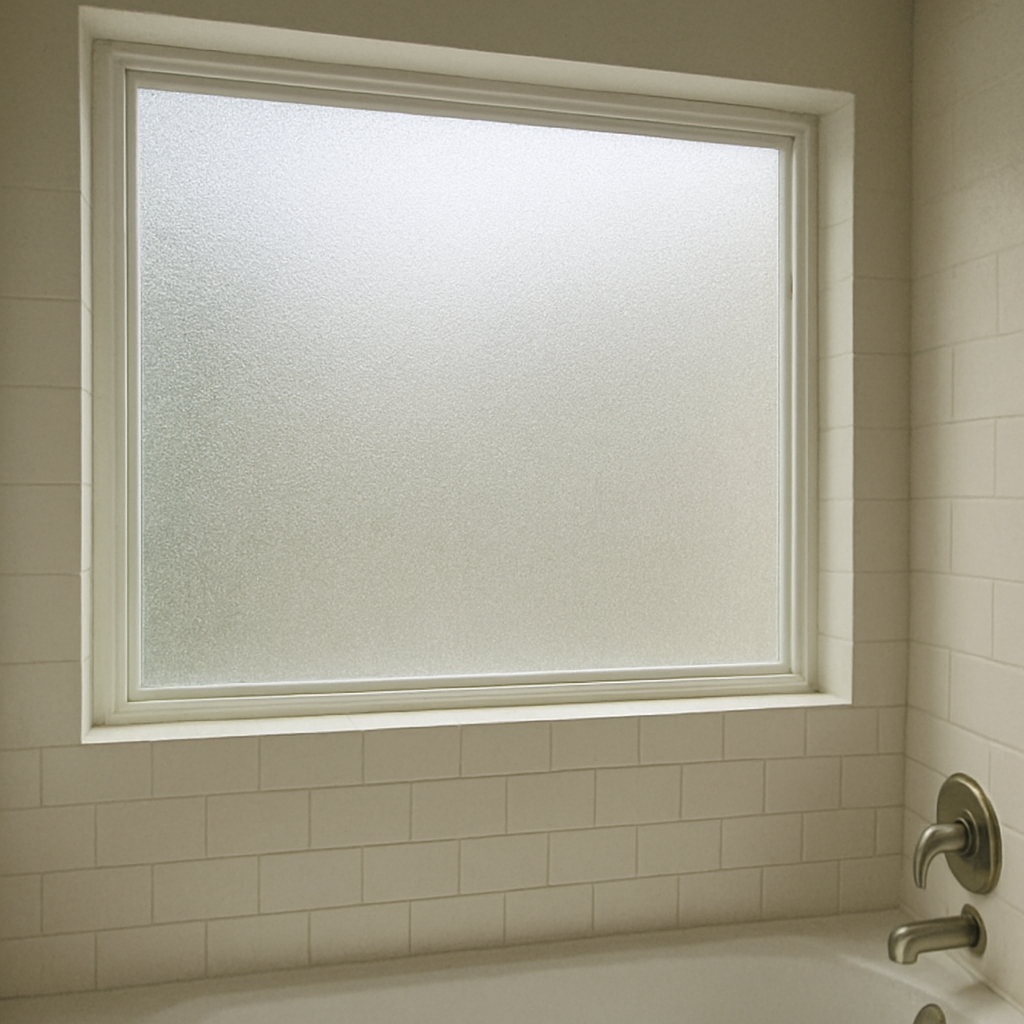
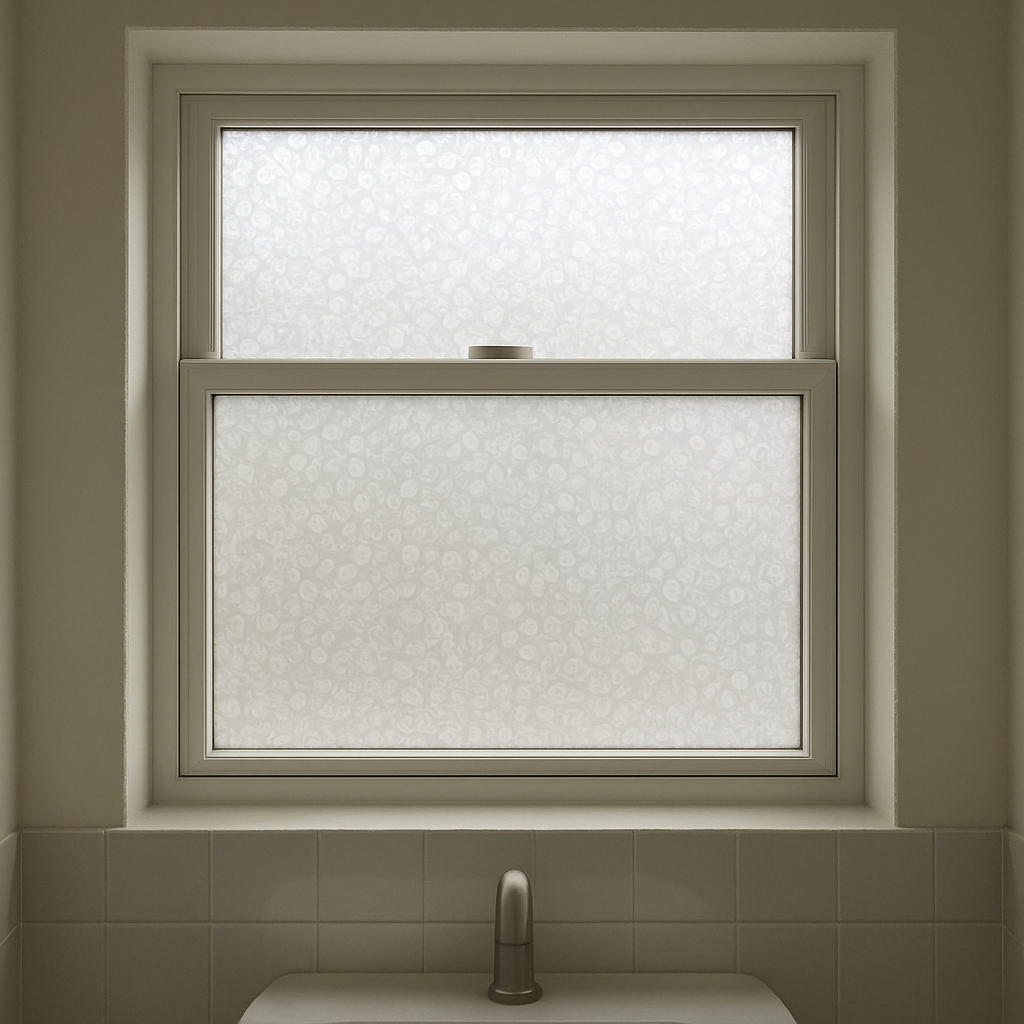
  1. Decorative Films: These films add an aesthetic appeal to glass surfaces. They come in various patterns and designs, providing a stylish way to enhance privacy without sacrificing light.
  2. Solar Control Films: Designed to reduce heat and glare, solar control films can significantly improve energy efficiency by minimizing the need for air conditioning.
  3. Security Films: These are thicker films that hold shattered glass together, thus enhancing safety by reducing the risk of injury from flying glass shards.

Benefits of Using Glass Protection Film

Before choosing a glass protection film, it’s essential to understand the benefits they offer.

Enhanced Privacy and Aesthetic Appeal

Decorative films are an excellent choice for spaces where privacy is a concern without compromising on style. They transform plain glass into a sophisticated element of the decor.

Energy Efficiency

energy-efficient home interior

Solar control films play a crucial role in regulating indoor temperatures by reducing solar heat gain. According to the U.S. Department of Energy, window treatments that reduce heat gain can significantly improve energy efficiency. This can lead to lower energy bills, making them a cost-effective solution for improving energy efficiency.

Increased Safety and Security

Security films add an extra layer of protection to glass surfaces. In the event of breakage, these films hold the glass fragments together, minimizing the risk of injury and deterring potential intruders. The International Window Film Association notes that professionally installed safety films can help strengthen glass and improve protection.

How to Choose the Right Glass Protection Film

Selecting the right glass protection film requires careful consideration of various factors. Here’s a step-by-step guide to help you make an informed decision.

Identify Your Needs

Start by identifying the primary reason for installing the film. Are you looking to enhance privacy, improve energy efficiency, or increase security? Your primary goal will guide your choice of film.

Consider the Aesthetics

If aesthetics are a priority, opt for decorative films that complement your interior design. These films come in various styles and can be customized to match the decor, providing a seamless look.

Assess the Climate

In regions with intense sunlight, solar control films can be beneficial. They help in reducing glare and heat, making indoor spaces more comfortable and reducing the reliance on cooling systems.

Evaluate Safety Concerns

For spaces where safety is a concern, such as homes with children or high-traffic areas, security films are an excellent choice. They provide peace of mind by enhancing the safety of glass surfaces.

Installation Considerations

professional installing window film

by Blake Harbison (https://unsplash.com/@blake_harbison)

Proper installation is crucial to maximizing the benefits of glass protection films. Here are some considerations:

Professional vs. DIY Installation

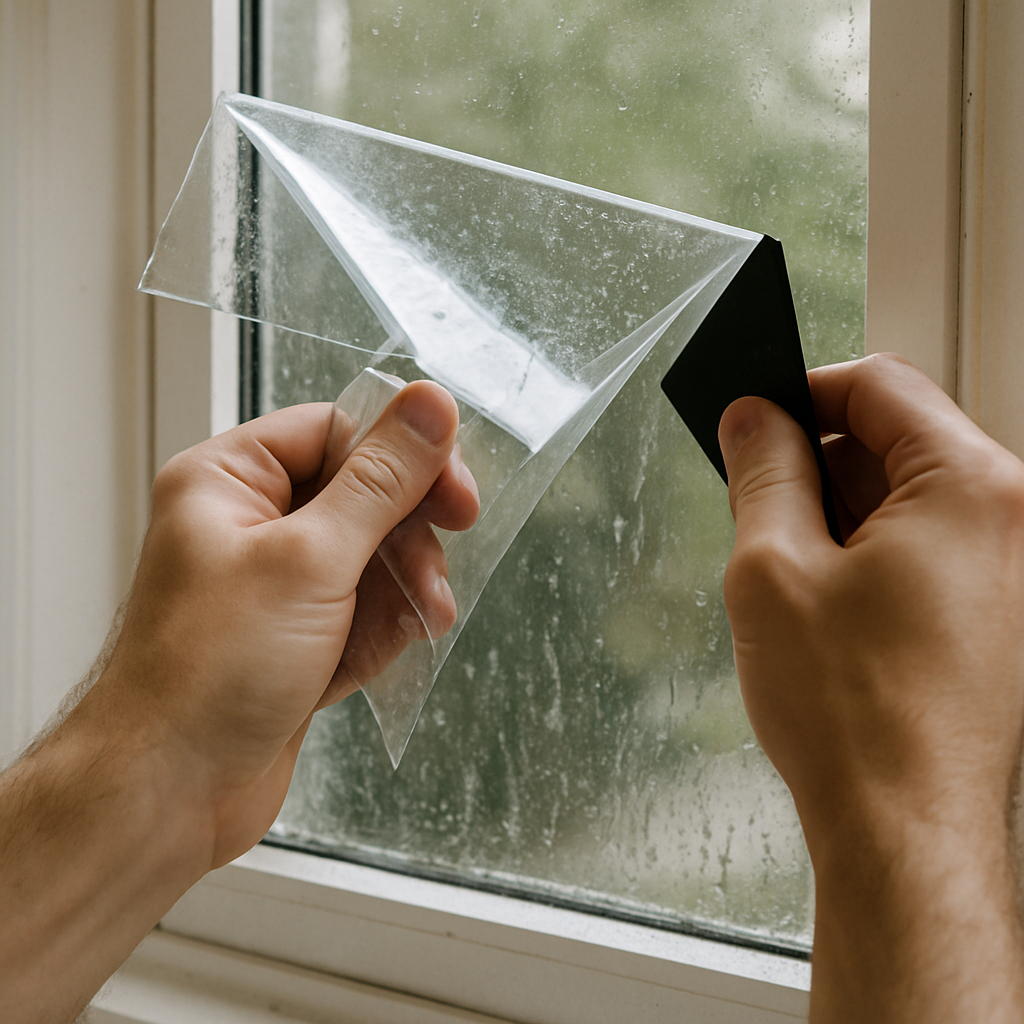
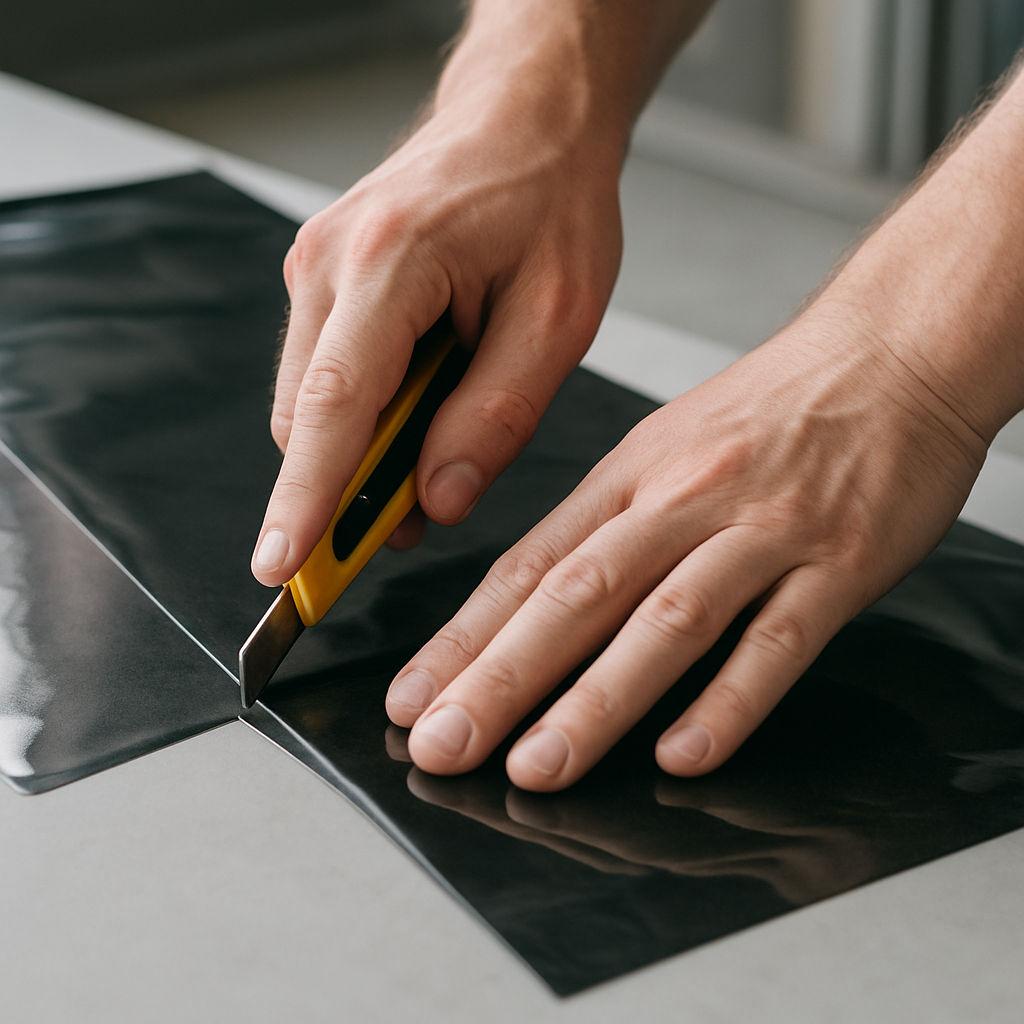
While DIY installation kits are available, professional installation ensures a flawless finish and longevity. Professionals have the expertise to apply the film without bubbles or creases, which can compromise its effectiveness.

Quality of Film

Invest in high-quality films from reputable manufacturers. Quality films are more durable, provide better performance, and often come with warranties that protect your investment.

Maintenance

Glass protection films require minimal maintenance. Regular cleaning with a soft cloth and mild detergent will keep them looking new. Avoid using abrasive cleaners that can scratch the film surface.

Cost Considerations

The cost of glass protection film varies depending on the type, quality, and size of the area to be covered. While it might be tempting to opt for cheaper options, investing in high-quality films can offer better long-term value due to their durability and effectiveness.

Return on Investment

Consider the potential savings on energy bills and the added security benefits as part of your return on investment. High-quality films, particularly solar control films, can significantly reduce energy costs, offering substantial savings over time.

Conclusion

Glass protection films offer a versatile solution for enhancing the functionality and aesthetics of glass surfaces. By understanding your needs and considering factors such as aesthetics, climate, and safety, you can choose the right film that aligns with your goals.

With the right film, you can transform spaces into stylish, energy-efficient, and secure environments. Whether you’re an interior designer aiming to provide clients with innovative solutions or a homeowner looking to enhance your living space, glass protection films are a worthwhile investment.

Remember, the key to maximizing the benefits of these films lies in choosing the right type and ensuring proper installation. So, take the time to research and select the film that best suits your needs and enjoy the myriad benefits it brings to your space.

Categories
Window Films & Tints

Window Tinting and Plants What You Should Know

# Window Tinting and Plants: What You Should Know

When it comes to enhancing your home’s aesthetics and improving energy efficiency, window tinting is a fantastic solution. However, if you’re an interior designer or a homeowner with a green thumb, you might be wondering how window tinting affects your indoor plants. This guide will help you understand the relationship between window tinting and plants, ensuring both your interior design and greenery flourish.

Window tinting involves applying a thin film to your windows to reduce heat and glare, block harmful UV rays, and increase privacy. It’s a popular choice for homeowners looking to improve energy efficiency and protect their furniture from fading. Window films come in various shades and types, including decorative, solar, and security films. But how do these films impact your beloved houseplants?

How Window Tinting Affects Plants

Plants need sunlight to perform photosynthesis, the process by which they convert light energy into chemical energy to grow. Therefore, any alteration in light exposure can affect their health. Here’s what you need to know about window tinting and plants:

Light Transmission

Window films reduce the amount of light entering your space. While this can be beneficial in preventing sun damage to furniture, it can also limit the light available to your plants. Depending on the type and darkness of the tint, some films can block up to 99% of UV rays. However, many plants don’t rely on UV rays alone, as they primarily use visible light for photosynthesis.

Temperature Control

plants basking in sunlight

Window tinting can help regulate indoor temperatures by blocking excess heat. This can create a more stable environment for your plants, especially during extreme weather conditions. By reducing heat, window films can prevent overheating and dehydration in plants, particularly those near windows.

UV Protection

While UV rays can be harmful to furniture and skin, they are not essential for plant growth. Most plants use blue and red light from the visible spectrum for photosynthesis. Therefore, a window film that blocks UV rays but allows visible light to pass through won’t necessarily harm your plants.

Choosing the Right Window Film for Your Plants

To ensure your plants remain healthy while benefiting from window tinting, consider these factors when selecting a window film:

Light Requirements of Your Plants

Different plants have varying light needs. For example, succulents and cacti require bright, direct sunlight, while ferns and snake plants thrive in lower light conditions. Assess the light needs of your plants before choosing a window film. If your plants require high light, opt for a lighter tint that allows more visible light to pass through.

Window Orientation

The direction your windows face can influence the amount of light your plants receive. South-facing windows typically get the most sunlight, while north-facing windows receive the least. Consider your window orientation when selecting a film to ensure your plants get the right amount of light.

Type of Window Film

There are several types of window films available, each with different properties:

  • Solar Control Films: These films reduce heat and glare while allowing ample visible light to pass through. They’re ideal for maintaining a bright environment for plants.
  • Decorative Films: These offer privacy and aesthetic appeal but may vary in light transmission. Choose options that balance design and light needs.
  • Security Films: While primarily for protection, these films can also offer solar control benefits. Ensure they don’t excessively block light for your plants.

Tips for Keeping Plants Healthy with Window Tinting

To make the most of window tinting without sacrificing your plants’ health, follow these tips:

Monitor Plant Health

Keep an eye on your plants after installing window film. Look for signs of distress, such as yellowing leaves or stunted growth, which may indicate insufficient light. Adjust the positioning of your plants if necessary.

Supplement with Artificial Light

indoor plant lighting setup

by Caleb Cheung (https://unsplash.com/@cheungkarlok)

If your plants aren’t getting enough natural light, consider using artificial grow lights. These can provide the necessary light spectrum for photosynthesis and help your plants thrive despite reduced sunlight from tinted windows.

Rotate Plants Regularly

Rotate your plants periodically to ensure even light distribution. This helps all parts of the plant receive adequate light and prevents uneven growth.

Adjust Watering Schedule

Window tinting can alter the microclimate around your plants. Monitor the soil moisture and adjust your watering schedule as needed to prevent overwatering or underwatering.

The Benefits of Window Tinting for Plant Lovers

While it’s essential to ensure your plants receive adequate light, window tinting offers several benefits for plant lovers:

Energy Efficiency

Window films can significantly reduce energy costs by minimizing heat gain in the summer and heat loss in the winter. This creates a more comfortable environment for both you and your plants.

Protection from Harmful UV Rays

Window tinting protects your indoor environment from harmful UV rays, reducing the risk of sun damage to both your plants and furnishings.

Improved Aesthetics

Decorative window films can enhance the visual appeal of your space, complementing your interior design while providing privacy.

Conclusion

Window tinting and plants can coexist harmoniously with the right approach. By understanding your plants’ light needs and selecting an appropriate window film, you can enjoy the benefits of energy efficiency and UV protection without sacrificing your greenery. With a bit of planning, you can create a beautiful, plant-friendly environment that enhances your living space.

Remember, each plant is unique, and their needs may vary. Be attentive to their health and make adjustments as needed. By doing so, you can enjoy the best of both worlds – a stylish, energy-efficient home and thriving houseplants.

Categories
Window Films & Tints

How to Choose 1 Way Window Film

In the quest for privacy and style, one-way window films have emerged as a popular choice for homeowners and interior designers alike. Not only do they add an extra layer of privacy to your living spaces, but they also contribute to energy efficiency and enhanced aesthetics. Choosing the right 1-way window film can seem daunting, but with a few key considerations, you can make an informed decision that suits your needs perfectly. For a deeper understanding, see the one way privacy window film guide.

1-way window films, also known as privacy window films, allow you to see out while preventing outsiders from seeing in. This unique feature makes them ideal for rooms that require privacy without sacrificing natural light. Available in various shades and designs, they can seamlessly blend with your interior décor. According to the U.S. Department of Energy, window treatments that control solar heat gain can improve comfort and efficiency in buildings.

Key Benefits of 1-Way Window Film

Privacy and Security

The primary benefit of 1-way window film is enhanced privacy. Whether you live in a bustling neighborhood or want to secure an office space, these films ensure that prying eyes stay out while you enjoy an unobstructed view of the outside world.

Energy Efficiency

By reducing the amount of sunlight entering your space, 1-way window films can significantly lower cooling costs during the summer. They help maintain a consistent indoor temperature, contributing to energy efficiency and resulting in lower utility bills. The National Renewable Energy Laboratory highlights how window technologies can play a major role in reducing building energy use.

Energy efficiency of window films

UV Protection

These films block harmful UV rays that can cause fading of furniture, flooring, and artwork. By installing a privacy window film, you protect your interiors from sun damage, extending the lifespan of your furnishings.

Factors to Consider When Choosing a 1-Way Window Film

Level of Privacy

Different films offer varying levels of privacy. Consider the opacity of the film and how much natural light you want to retain. For areas requiring maximum privacy, opt for darker films.

Aesthetic Appeal

1-way window films come in a variety of styles, including frosted, mirrored, and decorative designs. Choose a style that complements your interior design to enhance the visual appeal of your space.

Quality and Durability

Invest in high-quality films that are durable and easy to maintain. Quality films offer better UV protection, last longer, and are less likely to peel or bubble over time.

Installation Process

Decide whether you will install the film yourself or hire a professional. Professional installation ensures precision and a flawless finish, but DIY kits are available for those who are handy and prefer a more cost-effective approach.

Conclusion

Selecting the right 1-way window film involves balancing privacy needs, aesthetic preferences, and functional benefits. By understanding the unique features and advantages of privacy window films, you can enhance both the style and efficiency of your living spaces. Whether for residential or commercial use, these films provide an effective solution for privacy, energy savings, and UV protection. As a trusted expert in home improvement solutions, I encourage you to consider these factors carefully to achieve the best results for your space.

Categories
Window Films & Tints

Common Questions About 25 Vlt Window Tint

In the realm of home improvement, window tinting has become a popular choice for homeowners seeking to enhance both the aesthetics and functionality of their living spaces. Among the various options available, the 25 VLT (Visible Light Transmission) window tint stands out as a versatile solution. If you’re considering window film for your home, you probably have a few questions. This article aims to address some of the most common inquiries about 25 VLT window tint and how it can benefit your home.

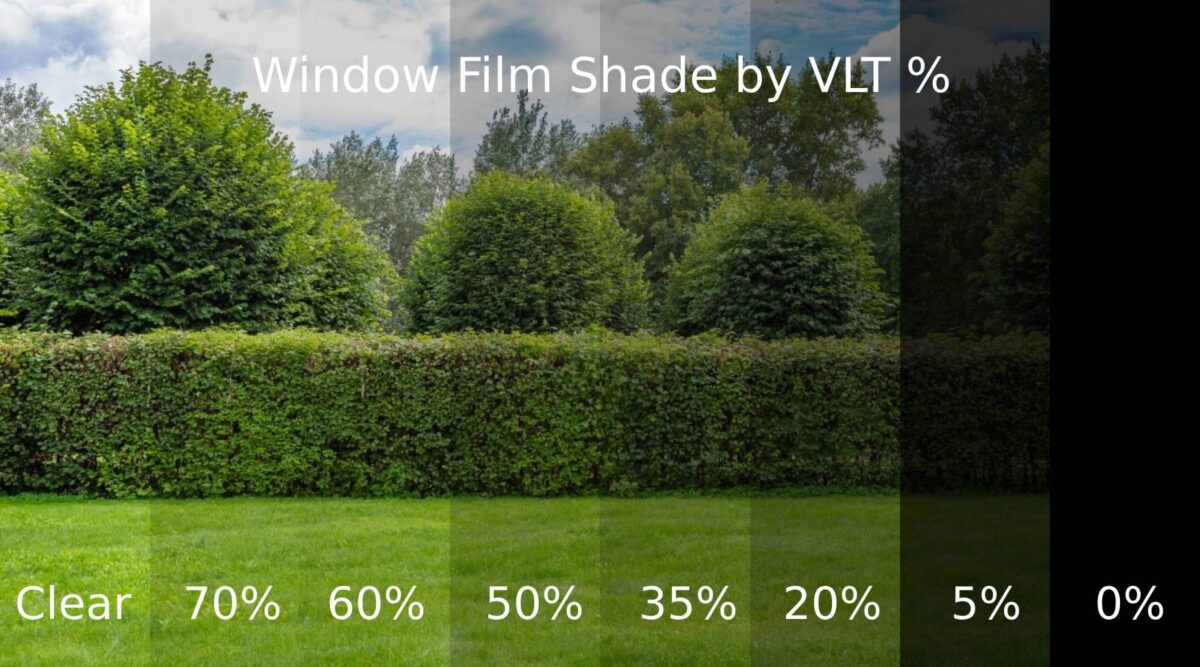
Visible Light Transmission (VLT) refers to the amount of visible light that passes through a window film. According to the U.S. Department of Energy, window films can significantly improve energy efficiency by reducing heat gain. A 25 VLT window tint allows 25% of visible light to penetrate, meaning it blocks 75% of the light. This level of tinting provides a balance between maintaining privacy and allowing natural light to enter your home.

Benefits of 25 VLT Window Tint

  1. Privacy Enhancement: With 25% light transmission, this tint offers a good level of privacy without completely darkening your space. It’s an excellent choice for rooms where you want to maintain outside views while ensuring indoor privacy.
  2. Energy Efficiency: By reducing the amount of sunlight entering your home, 25 VLT window tint helps lower cooling costs. It minimizes heat gain in summer, leading to reduced air conditioning usage and energy savings.
  3. Glare Reduction: This tint level effectively cuts down on glare from the sun, making it more comfortable to watch TV or use electronic devices without straining your eyes.
  4. UV Protection: A significant advantage of window film is its ability to block harmful UV rays. The U.S. Environmental Protection Agency explains that UV exposure can damage materials and contribute to fading, and Health Canada also outlines key UV risks and safety considerations. The 25 VLT tint protects your furnishings, flooring, and interior decor from fading due to sun exposure.

Is 25 VLT Suitable for All Windows?

While 25 VLT window tint is versatile, it’s essential to consider the specific requirements of each room. For instance, bedrooms and bathrooms might benefit from a darker tint for enhanced privacy, while living rooms and kitchens can enjoy the natural light with 25 VLT.

Considerations for Different Room Types

  • Living Rooms: Perfect for balancing natural light with privacy, the 25 VLT tint is ideal for living areas where you spend most of your day.
  • Bedrooms: Depending on your preference for natural light in the morning, you may opt for a darker tint. However, 25 VLT still provides a comfortable balance of light and privacy.
  • Bathrooms: Privacy is crucial in bathrooms. Consider using a combination of window treatments for optimal privacy and style.

How Does 25 VLT Window Tint Affect Interior Design?

Modern living room with window tint

For interior designers, window tinting offers an opportunity to enhance the aesthetics of a space while solving practical challenges. The subtle yet effective nature of 25 VLT tint complements various design styles, from modern to traditional.

Aesthetic Appeal

  • Color Consistency: The neutral tone of 25 VLT tint blends seamlessly with different color palettes, ensuring that your design intentions remain undisturbed.
  • Sleek Finish: Tinted windows provide a sleek, polished look to both the interior and exterior of a home, adding to the overall appeal.
  • Versatility: Whether your design focuses on bold statements or understated elegance, 25 VLT tint adapts to various themes without overpowering the space.

Can 25 VLT Window Tint Be Installed on All Window Types?

Most residential windows can accommodate 25 VLT window tint, but it’s essential to consult with a professional installer to ensure compatibility with your specific window type and material.

Professional Installation

Engaging a skilled installer guarantees that the window film is applied correctly, free of bubbles or imperfections, and in a manner that maximizes its lifespan. Additionally, professionals can provide insights on the best tint options based on window orientation and the specific needs of each room.

What Maintenance is Required for 25 VLT Window Tint?

Cleaning tinted windows

by Anna Barabanova (https://unsplash.com/@annabarabanova)

One of the advantages of window film is its low maintenance. However, to keep your 25 VLT tint in optimal condition, consider these simple care tips:

Cleaning Tips

  1. Use Soft Cloths: Clean the film with a soft, non-abrasive cloth to prevent scratches.
  2. Mild Cleaning Solutions: Opt for a mild soap solution or a cleaner specifically designed for window film.
  3. Avoid Harsh Chemicals: Steer clear of ammonia-based cleaners as they can damage the film over time.
  4. Regular Dusting: Regularly dust the windows to maintain clarity and appearance.

How Does 25 VLT Window Tint Contribute to Energy Efficiency?

Window tinting is an effective way to improve energy efficiency in your home. By reducing heat gain, 25 VLT window tint helps maintain a consistent indoor temperature, thereby reducing the need for air conditioning during hot months. This not only lowers energy bills but also contributes to a more sustainable living environment.

Environmental Impact

  • Carbon Footprint Reduction: By using less energy for cooling, you reduce your home’s carbon footprint.
  • Long-Term Savings: While the initial investment in window tinting can be significant, the long-term savings on energy bills make it a cost-effective solution. For more ways to improve comfort and reduce heat loss around windows, see Natural Resources Canada’s guidance on upgrading windows and exterior doors.

Conclusion

Incorporating 25 VLT window tint into your home improvement plans offers numerous benefits, from enhancing privacy and reducing energy costs to complementing interior design. By understanding its advantages and maintenance requirements, you can make an informed decision that aligns with your home’s needs and your personal preferences.

Whether you are an interior designer seeking stylish solutions or a homeowner looking to improve energy efficiency, 25 VLT window tint provides an effective and aesthetically pleasing option to elevate your living space.

Categories
Window Films & Tints

How to Choose Window Film For Heat

Choosing the right window film for heat control can make a huge difference in both the comfort and energy efficiency of a home. As a home improvement expert, I’ve seen how the right film not only keeps interiors cooler but also reduces energy bills. In this guide, we’ll explore how to choose the best window film for heat, ensuring that your clients enjoy a comfortable and aesthetically pleasing environment.

Window films are thin layers of material applied to glass surfaces. They are designed to reject solar heat, reduce glare, and provide UV protection. But with so many options available, how do you choose the right one for heat control? Let’s dive into the essential factors to consider.

The Science Behind Solar Window Film

Solar window films work by reflecting and absorbing solar energy. This reduces the amount of heat that penetrates through the glass. They are typically made of polyester and can be clear, tinted, or coated with metals or ceramics for enhanced performance. According to the U.S. Department of Energy, properly selected films can significantly reduce heat gain and improve indoor comfort.

Why Consider Window Film for Heat Control?

Window films offer a dual benefit: they improve energy efficiency and enhance comfort. By blocking out a significant portion of solar heat, they reduce the load on air conditioning systems, leading to lower energy costs. They also minimize glare, making spaces more comfortable and reducing the fading of interior furnishings.

Factors to Consider When Choosing Window Film

Solar window film application on a large glass window

Purpose and Performance

First, identify the primary purpose for the window film. Is it to reduce heat, enhance privacy, or improve aesthetic appeal? For heat control, focus on films that offer high solar heat rejection rates. Look for specifications like Total Solar Energy Rejected (TSER) and Visible Light Transmission (VLT) to gauge performance.

Aesthetic Preferences

Window films come in various shades and finishes. Clear films maintain the natural look of windows, while tinted films offer a shaded view. Decorative films can add a unique design element. Choose a film that complements the overall design scheme of the space.

Durability and Warranty

Consider the longevity of the window film. High-quality films are more durable and often come with warranties that cover peeling, cracking, or discoloration. A good warranty is a testament to the product’s quality and the manufacturer’s confidence.

Installation Process

Proper installation is crucial for the effectiveness of window films. While DIY kits are available, professional installation ensures the best results. Experts have the tools and experience to apply films smoothly without bubbles or wrinkles.

Cost vs. Benefit

While window films are generally cost-effective, prices can vary based on material and performance. Evaluate the long-term savings in energy costs against the upfront investment. High-performance films might have a higher initial cost but can offer significant savings over time.

Types of Window Films for Heat Control

Stylish interior with window film applied

by Minyeong Jeong (https://unsplash.com/@manonsfoto)

Dyed Films

Dyed films are an economical option. They absorb solar heat and reduce glare. However, they may not be as effective as other types in heat rejection.

Metalized Films

These films contain tiny metallic particles that reflect heat and UV rays. They offer excellent heat control but may interfere with electronic signals.

Ceramic Films

Ceramic films use advanced technology to provide superior heat rejection without the use of metals. They offer high clarity and do not interfere with electronic devices.

Hybrid Films

Hybrid films combine dyes and metals for a balance of performance and cost. They offer decent heat reduction and glare control.

Benefits of Using Window Films for Heat Control

Enhanced Comfort

By reducing the amount of heat that enters a room, window films help maintain a consistent indoor temperature. This leads to a more comfortable living environment, especially during hot summer months.

Energy Efficiency

Window films significantly reduce the need for air conditioning by blocking heat. This translates to lower energy consumption and reduced utility bills, offering substantial savings in the long run. Research from the National Renewable Energy Laboratory highlights how solar control window technologies can improve building energy performance.

UV Protection

Window films block up to 99% of harmful UV rays. This protection prevents fading of furniture, flooring, and artwork, preserving the interior’s aesthetics.

Glare Reduction

Excessive glare can be uncomfortable and strain the eyes. Window films reduce glare, making it easier to watch TV, work on a computer, or simply relax without squinting.

Privacy and Security

Certain films offer additional privacy by obscuring the view from outside. They can also add an extra layer of security by holding shattered glass together in case of breakage.

Conclusion

Choosing the right window film for heat control is a smart investment for any homeowner. It enhances comfort, improves energy efficiency, and protects interiors from UV damage. By considering factors like performance, aesthetics, and cost, you can select a film that meets the specific needs of your clients.

When recommending window films, emphasize the long-term benefits and potential savings. As a trusted advisor, your expertise can guide homeowners toward solutions that enhance their living spaces while keeping them cool and comfortable. Remember, professional installation is key to maximizing the benefits of window films, ensuring that they perform effectively for years to come.

::contentReference[oaicite:0]{index=0}

Categories
Window Films & Tints

Understanding the Lifespan of Residential Window Films

When it comes to enhancing the comfort and aesthetics of your home, residential window films offer a versatile solution. From reducing glare to improving energy efficiency and adding a layer of privacy, window films can transform your living space. But one question often asked by homeowners and interior designers alike is: How long do these films last?

In this comprehensive guide, we’ll delve into the lifespan of residential window films, factors that affect their longevity, and tips for maintaining them to ensure you get the most out of your investment.

Residential window films are thin layers of polyester or vinyl applied to the interior or exterior surfaces of windows. They come in various types, each serving distinct functions such as UV blocking, glare reduction, heat control, and privacy enhancement. These films can be clear, tinted, or decorative, providing both functional and aesthetic benefits. For additional scientific insight into solar heat gain and window performance, see the National Renewable Energy Laboratory research.

Factors Affecting the Lifespan of Window Films

Understanding what influences the lifespan of window films can help you make informed decisions and extend the life of your window investments.

Quality of the Film

The quality of the window film is a significant determinant of its lifespan. High-quality films, often backed by reputable manufacturers, are designed to last longer and perform better than their cheaper counterparts. Investing in a premium film means fewer replacements and long-term savings.

Installation Process

Window film installation

Proper installation is crucial for maximizing the lifespan of window films. Professional installation of window films ensures that the film adheres correctly to the window surface without bubbles or creases. A well-installed film not only looks better but also functions optimally over time.

Environmental Conditions

The environment in which the film is installed plays a role in its longevity. Films exposed to extreme weather conditions, such as intense sunlight, high humidity, or significant temperature fluctuations, may degrade faster. Selecting a film suited to your specific climate conditions can mitigate these effects.

Maintenance and Care

Regular maintenance is key to preserving the quality and effectiveness of window films. Proper cleaning techniques and avoiding harsh chemicals can prevent damage and prolong the film’s life. We’ll explore maintenance tips in detail further in the article.

Average Lifespan of Residential Window Films

The typical lifespan of residential window films ranges from 10 to 20 years. However, this can vary based on the factors discussed earlier. Here’s a closer look at different types of films and their expected longevity:

  • Solar Control Films: Designed to reduce heat and glare, these films typically last between 10 to 15 years.
  • Security Films: Providing an added layer of protection, these robust films can last up to 20 years.
  • Decorative Films: While primarily aesthetic, these films generally have a lifespan of 5 to 10 years, depending on exposure to sunlight and other elements.
  • UV Blocking Films: These films, focused on protecting interiors from harmful UV rays, usually have a lifespan of 10 to 15 years.

Tips for Maximizing the Lifespan of Your Window Films

To ensure your window films perform optimally throughout their lifespan, consider the following maintenance tips:

Proper Cleaning Techniques

Cleaning window films

by william f. santos (https://unsplash.com/@youwwwill)

Regular cleaning is essential, but it’s important to use the right methods to avoid damaging the film. Here are some cleaning tips:

  • Use a soft cloth or a squeegee instead of abrasive materials that can scratch the film.
  • Avoid using ammonia-based cleaners. Instead, opt for a mild soap solution.
  • Clean the films gently and avoid applying excessive pressure.

Regular Inspections

Conducting regular inspections of your window films can help you identify any signs of wear or damage early on. Look for bubbling, peeling, or discoloration, as these issues can indicate that the film needs replacement.

Addressing Environmental Factors

If your windows are in an area with extreme weather conditions, consider using blinds or shades to reduce exposure. This can help in minimizing the stress on window films, thereby extending their lifespan.

The Benefits of Professional Installation

While DIY installation might seem tempting, professional installation of window films ensures that you receive the maximum benefits and lifespan. Experts have the tools and experience necessary to fit films perfectly, reducing the risk of errors that could shorten their longevity.

Moreover, professional installers often provide warranties that cover both the film and the installation, offering added peace of mind. According to the U.S. Department of Energy, properly installed window treatments and films can significantly improve energy efficiency in homes.

Conclusion

Residential window films are a valuable addition to any home, offering numerous benefits such as improved energy efficiency, enhanced privacy, and protection from UV rays. By understanding the factors that affect their lifespan and following proper maintenance practices, you can ensure that your window films remain effective for years to come.

Whether you’re an interior designer looking for cost-effective solutions or a homeowner seeking to enhance your living space, investing in quality window films and professional installation will yield long-term benefits. Stay informed, choose wisely, and enjoy the comfort and style that window films bring to your home.