Categories
Window Films & Tints

How to Estimate the Cost of Window Film Installation

When considering ways to enhance the beauty and functionality of your home, window film installation is an excellent choice. It offers numerous benefits, from energy efficiency to increased privacy and security. However, understanding the cost involved in window film installation can be a bit daunting. In this guide, we’ll break down the factors that affect the cost and help you estimate what you might expect to pay for this valuable home improvement.

Before diving into costs, let’s quickly discuss why window film is a popular choice among homeowners and interior designers. Window films can:

  • Reduce Energy Costs: By blocking out heat in the summer and retaining heat in the winter, window films can significantly lower your energy bills.
  • Enhance Privacy: Certain films offer increased privacy, preventing outsiders from peering into your home.
  • Protect Against UV Rays: Window films can block up to 99% of harmful UV rays, which protects your furniture and floors from fading.
  • Improve Security: Security films add a layer of protection, making it more difficult for intruders to break in through your windows.

Factors Influencing Window Film Installation Cost

Several factors can influence the cost of installing window film. Understanding these will help you make an informed decision.

Type of Window Film

The type of film you choose greatly affects the cost. Here are some common types:

  • Solar Control Films: These are designed to control the amount of heat and light that enters your home. They are typically mid-range in price.
  • Decorative Films: Used for aesthetic purposes, these films are available in various patterns and colors and can vary in price depending on the complexity of the design.
  • Security Films: These are thicker and more durable, designed to hold glass together in case of breakage. They are usually more expensive due to their added protective features.
  • Privacy Films: These films are designed to obstruct view from outside, providing privacy while allowing light to enter. Their cost can vary based on opacity and design.

Size and Number of Windows

The size and number of windows you plan to cover will directly impact the cost. Larger windows or a greater number of windows will increase both material and labor costs.

Window Shape and Accessibility

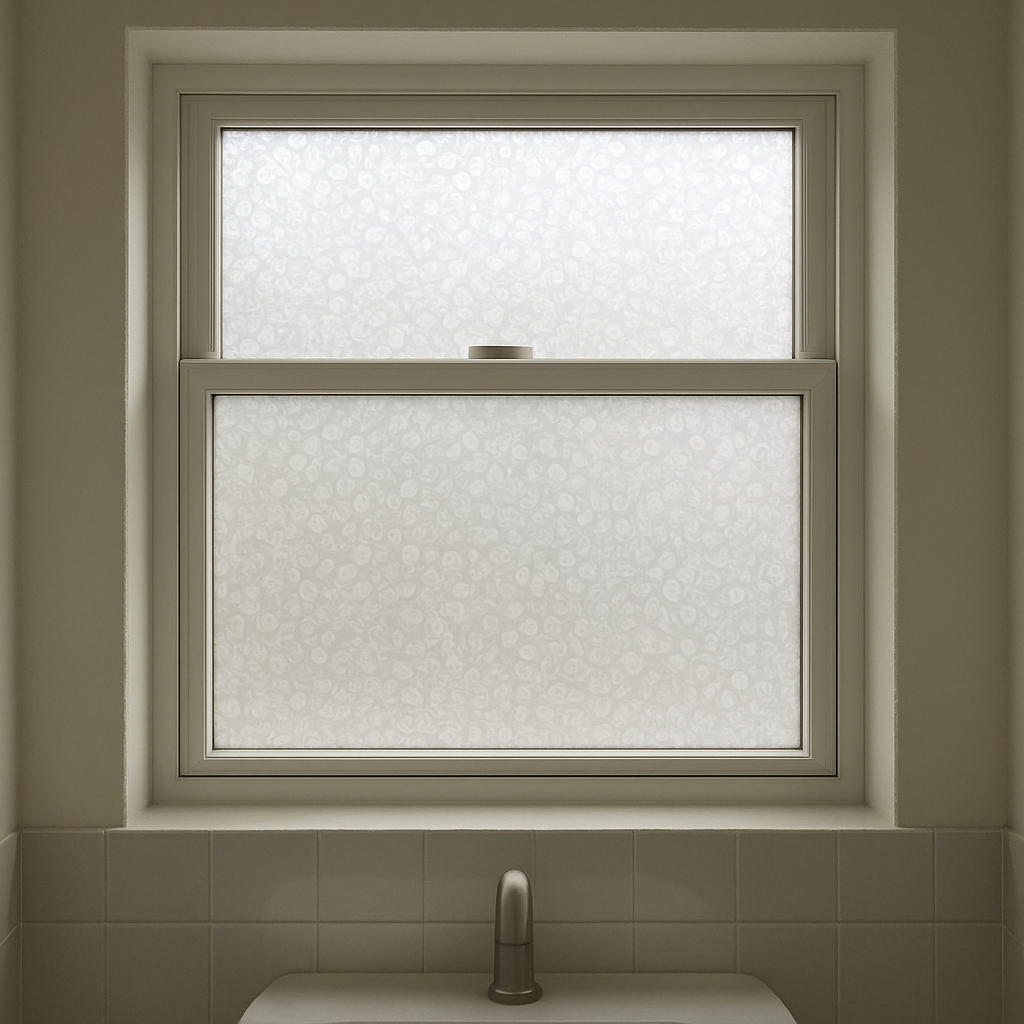
Window shape and accessibility affecting installation

Unique window shapes, such as arches or circles, may require custom cutting and installation, which can add to the overall cost. Additionally, windows that are difficult to reach (e.g., those on higher floors or behind landscaping) may incur higher labor costs.

Quality of Film

Higher-quality films generally cost more but offer better durability and performance. Investing in a premium film can be more cost-effective in the long run due to its longer lifespan and superior features.

Professional Installation vs. DIY

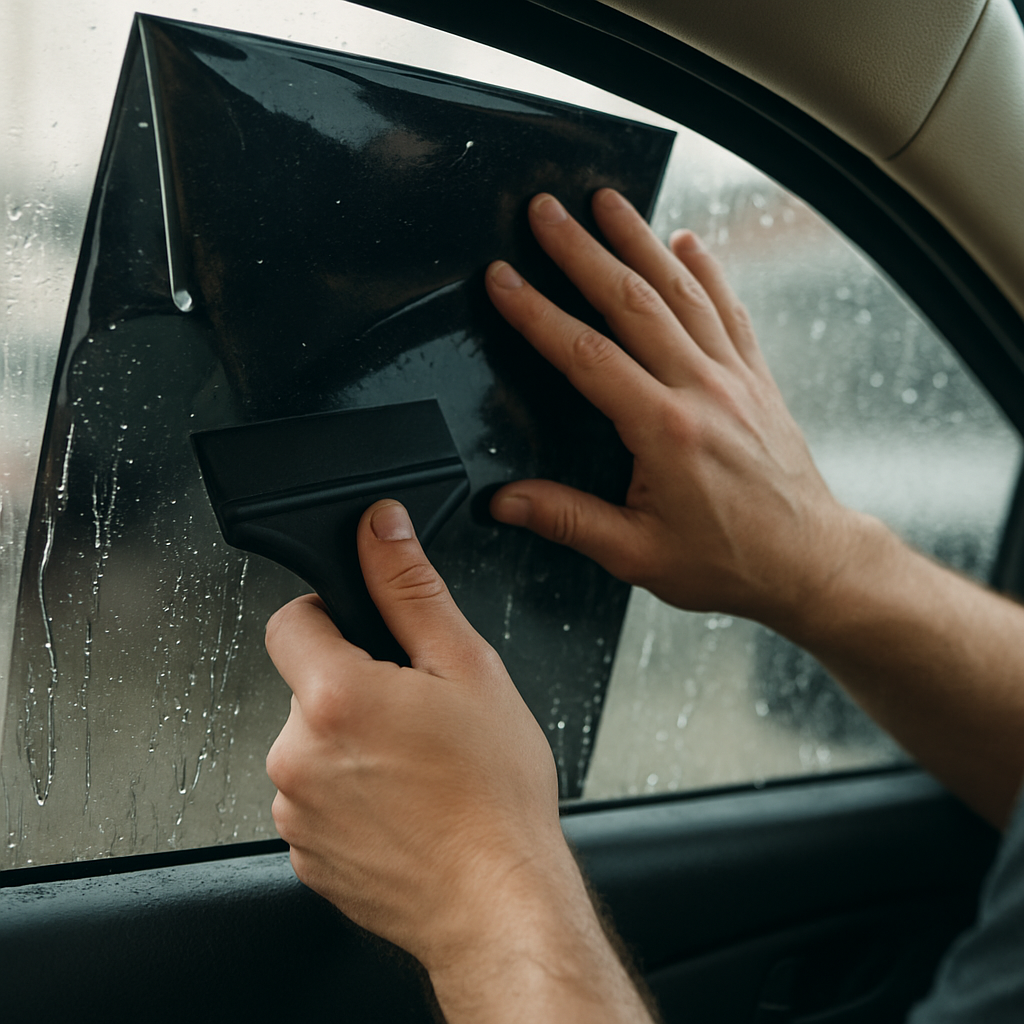
While some homeowners may opt for a DIY approach to save money, professional installation ensures a perfect fit and finish. Professional installers have the tools and experience needed to avoid bubbles, wrinkles, and other common issues. The cost of professional installation can vary, but it is often worth the investment for the quality of the outcome.

Estimating the Cost

Basic Cost Breakdown

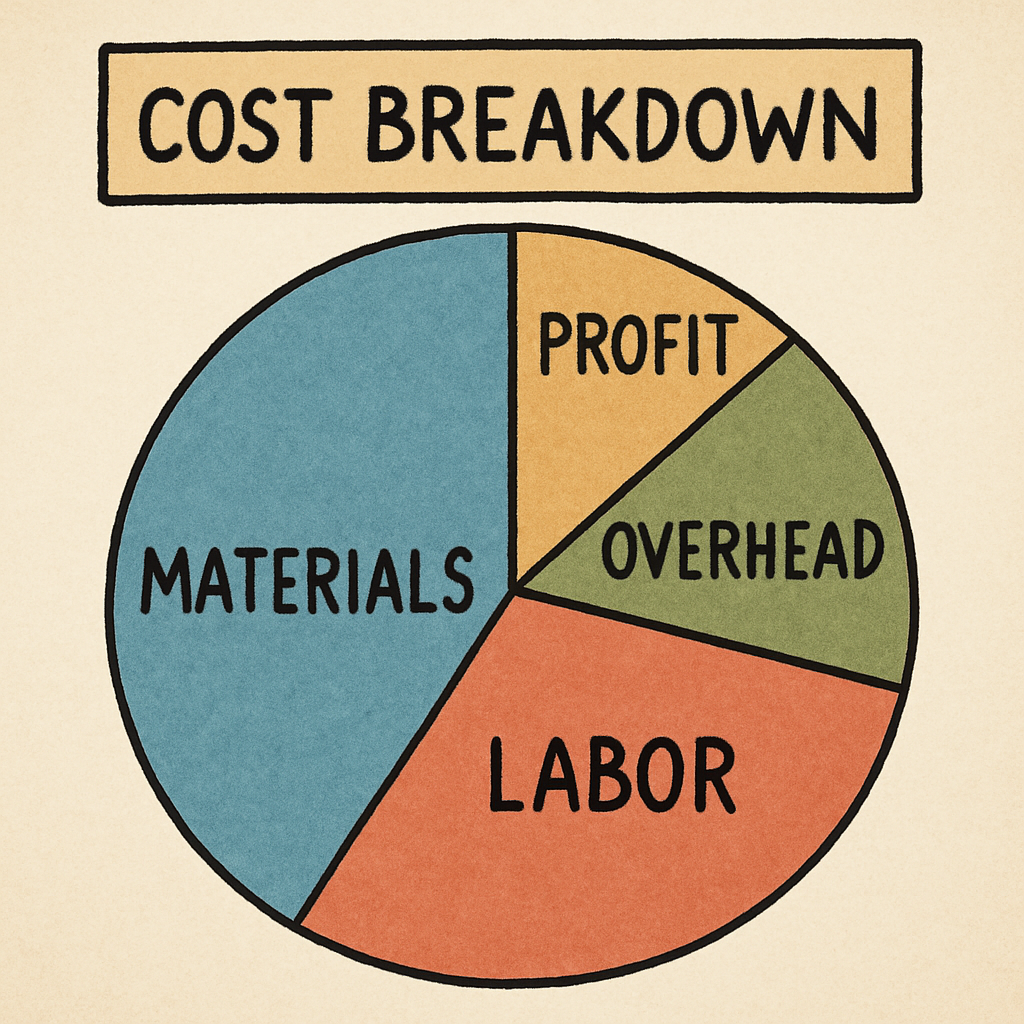
On average, window film installation costs can range from $5 to $15 per square foot. This estimate typically includes both materials and labor for professional installation. Here’s a simple breakdown:

  • Basic Solar Control Film: $5 to $8 per square foot
  • Decorative or Privacy Film: $6 to $12 per square foot
  • Security Film: $7 to $15 per square foot

Additional Considerations

  • Removal of Existing Film: If your windows currently have film that needs removal, this could add an additional $1 to $2 per square foot.
  • Warranty: Some installations come with warranties that can affect the price. Be sure to inquire about the warranty terms when getting a quote.

Example Calculation

Let’s say you have a living room with three large windows, each measuring 4 feet by 6 feet. You decide on a solar control film, and the installation quote is $8 per square foot.

  1. Calculate the Area: 4 ft x 6 ft = 24 sq ft per window; 24 sq ft x 3 windows = 72 sq ft total.
  2. Estimate the Cost: 72 sq ft x $8/sq ft = $576.

This is a rough estimate and actual costs can vary based on the factors discussed.

Tips for Reducing Costs

Cost-saving tips for window film installation

by Kevin Grieve (https://unsplash.com/@grievek1610begur)

  • Compare Quotes: Get multiple quotes from different installers to ensure you’re getting a competitive price.
  • Consider Bulk Discounts: Some companies offer discounts for larger projects or multiple windows.
  • Look for Promotions: Installers may have seasonal promotions or discounts for new customers.
  • Choose the Right Film: Balance your budget with the film’s functionality and benefits. Sometimes spending a bit more initially can save money in the long run.

Conclusion

Understanding the cost of window film installation involves considering various factors such as the type of film, the size of your windows, and whether you choose professional installation. With the right approach, window films can be a cost-effective solution to enhance your home’s energy efficiency, privacy, and aesthetics. By taking the time to compare options and understand the costs involved, you can make an informed decision that fits your needs and budget.

Categories
Window Films & Tints

A Beginner s Guide to Applying Window Film at Home

# A Beginner’s Guide to Applying Window Film at Home

Are you looking to enhance your home’s aesthetics or improve energy efficiency? Window film offers a variety of benefits that might just be the solution you need. In this guide, we’ll walk you through everything you need to know about applying window film at home, offering a practical approach that even beginners can follow.

Window film is a thin laminate film that can be installed on the interior or exterior of glass surfaces in homes, offices, or vehicles. It provides a variety of benefits, including heat reduction, UV blocking, glare reduction, and enhanced privacy. According to the U.S. Department of Energy, window films can significantly improve energy efficiency by reducing heat gain. The Environmental Protection Agency (EPA) also highlights the importance of managing indoor environmental conditions for comfort and health. For additional third-party guidance on how window films are evaluated and used on residential windows, you can also review the NFRC consumer guidance on window film and Natural Resources Canada’s information on upgrading windows and exterior doors for efficiency.

Benefits of Window Film

  1. Energy Efficiency: Window film can significantly reduce heating and cooling costs by minimizing heat transfer through windows.
  2. UV Protection: It blocks up to 99% of harmful UV rays, protecting your furnishings and flooring from fading.
  3. Privacy and Security: Window film enhances privacy and can add a layer of security by holding shattered glass in place.
  4. Aesthetic Appeal: Available in various designs and finishes, window film can add a decorative touch to your windows.

Preparing for Installation

Before you start applying window film, it’s essential to gather all the necessary tools and materials.

Tools and Materials Needed

  • Window film of your choice: Ensure it’s suitable for your specific application needs, whether it’s for privacy, UV protection, or decorative purposes.
  • Gila window film application solution: This solution helps in smooth application and prevents bubbles.
  • Squeegee: Used to smooth out the film and remove air bubbles.
  • Utility knife: For trimming the film to fit your window.
  • Tape measure: To measure window dimensions accurately.
  • Lint-free cloth: To clean the windows before application.
  • Spray bottle: Filled with the application solution.

Preparing Your Windows

  1. Clean the Windows: Use a lint-free cloth and a glass cleaner to ensure the windows are spotless. Any dust or dirt can create bubbles under the film.
  2. Measure and Cut the Film: Measure the window and cut the film slightly larger than the window dimensions. This allows for trimming after application.

Applying Window Film

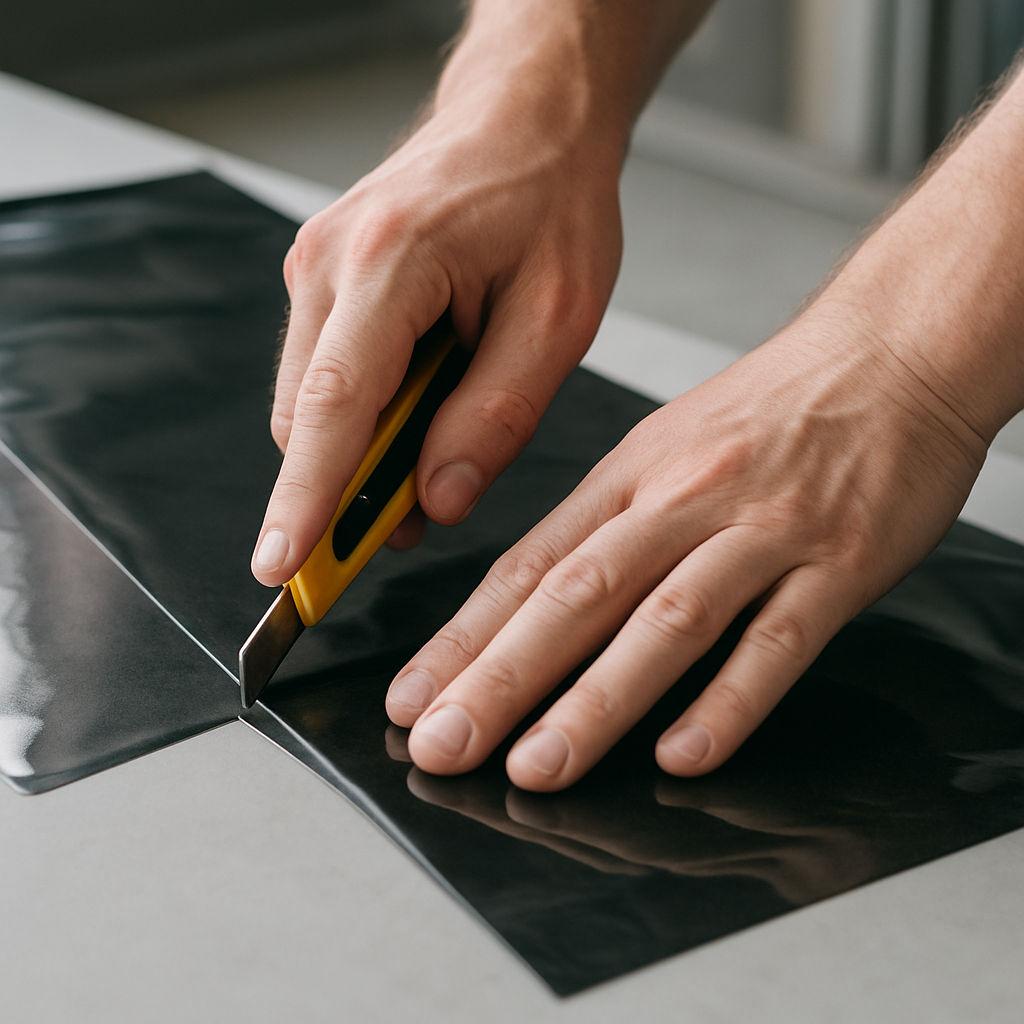
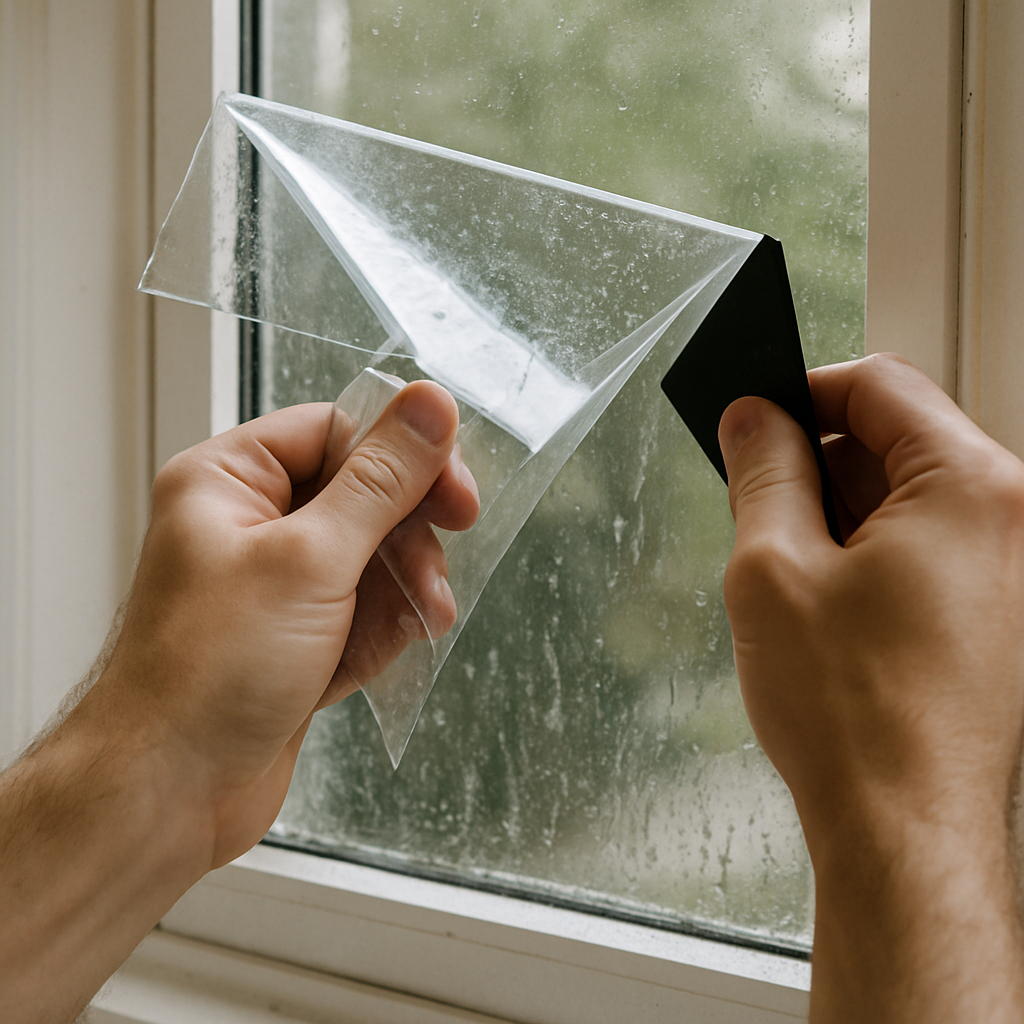
Applying window film

Now that you’re prepared, it’s time to apply the window film. Follow these steps for a smooth and professional finish.

Step-by-Step Application Guide

  1. Spray the Window: Use the spray bottle to apply the Gila window film application solution generously on the window. This helps the film slide into position.
  2. Peel the Film: Carefully peel the backing from the window film. This is easier with two people—one to hold and one to peel.
  3. Position the Film: Place the adhesive side of the film onto the wet window. Start at the top and let the film naturally adhere to the wet glass.
  4. Smooth the Film: Use the squeegee to gently smooth the film from the center outwards, pushing out any air bubbles or excess solution.
  5. Trim the Edges: Use the utility knife to trim the film to the exact size of the window. Be careful to make precise cuts for a neat finish.
  6. Final Touches: Re-squeegee the film to ensure all bubbles are removed and the film is firmly in place.

Common Mistakes to Avoid

  • Rushing the Process: Take your time to ensure each step is done correctly.
  • Not Using Enough Solution: The application solution is key to a bubble-free finish.
  • Inaccurate Cutting: Always measure twice and cut once to avoid wastage and ensure a perfect fit.

Maintaining Your Window Film

Proper maintenance can extend the life of your window film and keep it looking great.

Tips for Maintenance

  • Cleaning: Wait at least 30 days before cleaning your new film to ensure it has adhered properly. Use a soft cloth and mild soapy water.
  • Avoid Abrasives: Never use abrasive cleaners or tools that could scratch the film.
  • Regular Checks: Periodically check the film for any signs of peeling or bubbling and address these promptly.

Conclusion

Applying window film is a cost-effective and straightforward way to improve your home’s energy efficiency, privacy, and aesthetic appeal. With the right tools and a bit of patience, you can achieve professional-looking results.

By following this guide, even beginners can successfully apply window film at home. Whether you’re an interior designer seeking to enhance your client’s living spaces or a homeowner looking to add a personal touch, window film offers a versatile and practical solution.

Beautifully finished window with film

by Emily Fletke (https://unsplash.com/@emilyfletke)

With the knowledge and skills gained from this guide, you’re now ready to tackle your window film project with confidence and precision. Happy filming!

Categories
Window Films & Tints

Nighttime Privacy Solutions with Window Tinting

# Nighttime Privacy Solutions with Window Tinting

When the sun sets and night falls, the need for privacy becomes paramount. For homeowners, maintaining a sense of privacy while preserving the aesthetic appeal of their living spaces can be a delicate balance. One innovative solution to achieve this balance is nighttime window tinting. This home improvement technique not only provides privacy with window films but also enhances the comfort and style of your home.

Nighttime window tinting involves applying a specialized film to your windows. This film is designed to obstruct the view from outside while still allowing you to see out. It’s an excellent solution for those who want to maintain their privacy without closing themselves off from the world.

The Science Behind Window Tinting

Window tinting films are crafted using advanced materials that manipulate light. They are designed to reflect or absorb light in such a way that they obscure visibility from the outside. During the day, the film uses the natural brightness outside to create a mirror effect, making it difficult for outsiders to see in.

At night, when the interior lights are on, the technology in nighttime window tinting films continues to protect your privacy. While traditional films might fail as soon as the lights are on inside, nighttime privacy tints are engineered to reduce visibility from the outside even when it’s dark outside and light inside. To better understand how different types of window film function in varying lighting conditions, it helps to compare their reflective and absorptive properties.

Benefits of Nighttime Window Tinting

Cozy living room with window privacy tint

Enhanced Privacy

The primary benefit of nighttime window tinting is privacy. With this solution, you can enjoy your evenings without worrying about prying eyes. Whether you’re spending time with your family, watching TV, or hosting a dinner party, you can do so with peace of mind.

Aesthetic Appeal

Window privacy tinting offers a sleek and modern look to your home. It complements any interior design style, making it a versatile choice for homeowners and interior designers alike. The film can be customized in various shades and designs to match your décor, adding an element of style to your windows.

Energy Efficiency

Apart from privacy and aesthetics, window tinting also contributes to energy efficiency. The films are designed to reduce heat transfer, keeping your home cooler in the summer and warmer in the winter. This can lead to significant savings on your energy bills, making it an eco-friendly choice. According to the U.S. Department of Energy, window coverings and films can significantly reduce heat gain and improve overall home efficiency.

UV Protection

Window films also offer protection against harmful UV rays. By blocking out a significant portion of UV radiation, they protect your furniture, flooring, and artwork from fading. This is particularly beneficial for preserving the longevity and appearance of your interior décor. The Environmental Protection Agency (EPA) emphasizes the importance of limiting UV exposure to protect both health and interior materials.

Choosing the Right Window Privacy Tint

When selecting a window privacy tint, consider the following factors:

Level of Privacy

Different films offer varying levels of privacy. Some are designed to be more reflective, while others are more subtle. Assess your privacy needs and choose a film that meets them.

Light Transmission

Consider how much natural light you want to let into your home. Some films are darker and allow less light, while others are lighter. Balance your need for privacy with your desire for natural light.

Aesthetic Preferences

Select a film that complements your home’s interior design. With a range of colors, patterns, and finishes available, you can find a tint that enhances your living space.

Professional Installation

For the best results, consider professional installation. Experts in window film installations ensure precise application and optimal performance of the films. They can provide valuable advice on choosing the right product for your specific needs.

How to Maintain Your Window Tint

Cleaning window with privacy tint

by Don Bach (https://unsplash.com/@liberatetheimage)

Maintaining your window tint is simple. Here are a few tips to ensure its longevity:

Categories
Window Films & Tints

What Can You See Through Blackout Window Films

Blackout window films are a popular choice for those seeking privacy, light control, and energy efficiency in their homes. But what exactly can you see through these films, and how do they work? In this article, we’ll explore the functionality of blackout window films, their benefits, and the unique value they offer to homeowners and interior designers alike. For a deeper overview, see this U.S. Department of Energy guide on energy-efficient window coverings. If you’re exploring customize blackout window films for your space, understanding how they function is the first step.

Understanding Blackout Window Films

Blackout window films are designed to block light from entering a space completely. Unlike regular window films that may offer some level of transparency, blackout films provide an opaque layer that prevents any visibility through the window. This makes them an ideal choice for rooms where privacy and darkness are priorities, such as bedrooms, home theaters, or conference rooms.

How Do Blackout Window Films Work?

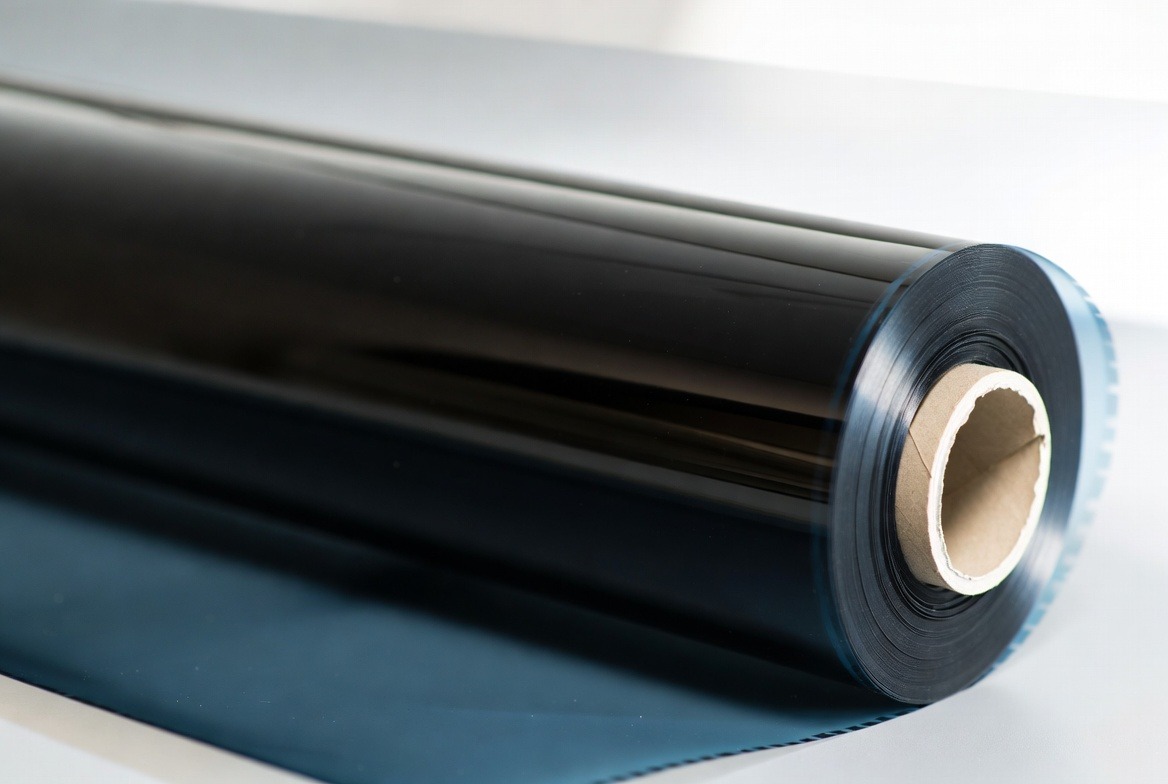
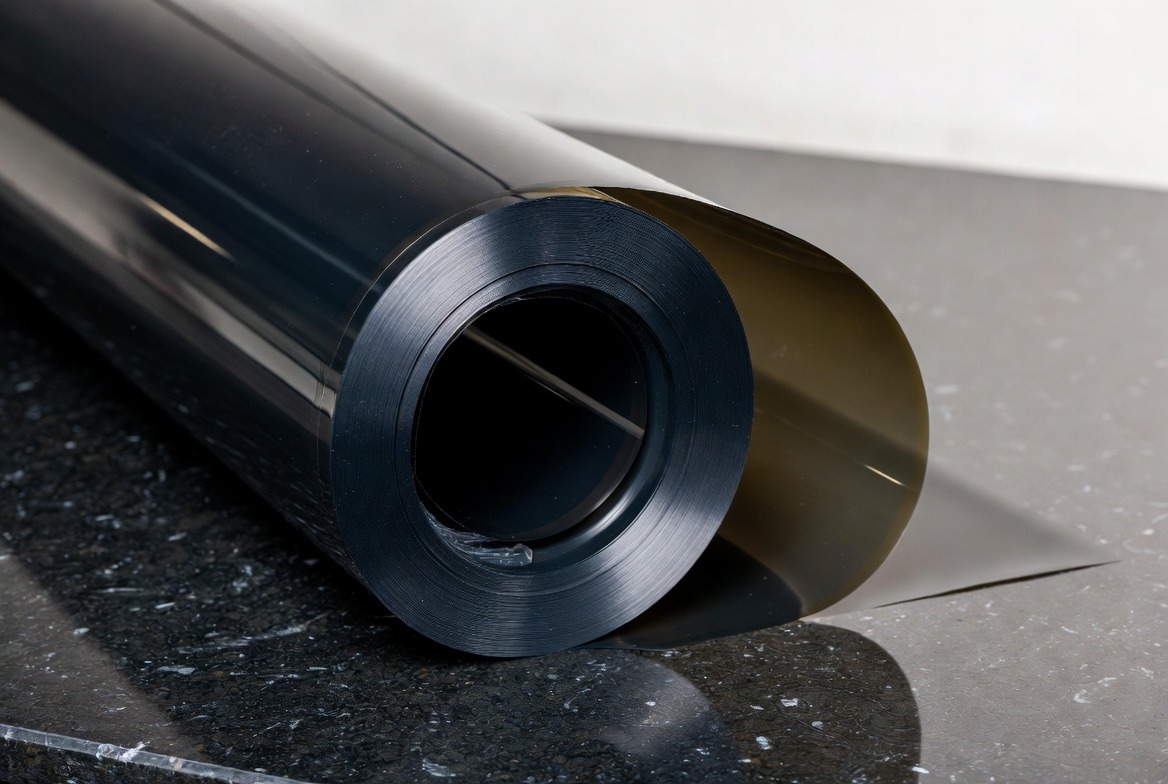
Blackout films work by adhering a dark, non-transparent layer to the window glass. This layer is typically made from a high-quality polyester material treated to resist scratches and fading. The film blocks out sunlight and prying eyes, ensuring that the interior space remains private and undisturbed. According to the National Renewable Energy Laboratory (NREL), window film technologies can significantly reduce solar heat gain when properly applied.

Benefits of Blackout Window Films

The benefits of installing blackout window films extend beyond just privacy and light control. Here’s a closer look at what they offer:

Enhanced Privacy

One of the most significant advantages of blackout films is the level of privacy they provide. Whether you live in a bustling urban area or a quiet suburb, blackout films ensure that no one can see inside your home. This is particularly beneficial for ground-floor rooms or spaces facing a busy street. If privacy is your top priority, you can also achieve privacy with window films using different film types tailored to your needs.

privacy_with_blackout_window_film

Improved Energy Efficiency

Blackout window films can contribute to energy savings by reducing the amount of heat that enters through the windows. By blocking sunlight, these films help maintain a cooler indoor temperature during the summer months, reducing the need for air conditioning and, consequently, lowering energy bills.

Protection from UV Rays

The harmful effects of UV rays on your skin and furniture can be significant over time. Blackout films offer protection by blocking up to 99% of UV rays, helping to preserve the color and integrity of your furniture, carpets, and artwork. The U.S. Environmental Protection Agency’s UV safety resources explain why limiting UV exposure indoors is important.

Light Control

For those who value a good night’s sleep or need a dark environment for activities like watching movies, blackout films are an excellent solution. They create a darkened space that promotes better sleep quality and enhances viewing experiences.

Application Areas for Blackout Window Films

Blackout window films can be applied in various settings, each benefiting from the unique properties of the film.

Residential Use

In homes, blackout films are commonly used in bedrooms to ensure a restful sleep environment. They are also popular in home theaters, where complete darkness is essential for the best viewing experience. Additionally, they can be used in bathrooms or any other rooms where privacy is paramount.

Commercial Use

In commercial settings, blackout films are often used in conference rooms to prevent distractions and ensure confidentiality during meetings. They are also used in storefronts to prevent passersby from peering into back-office areas.

Educational Institutions

Schools and universities may use blackout window films in auditoriums and classrooms to create an optimal environment for presentations and lectures by eliminating glare and ensuring privacy.

Categories
Window Films & Tints

Choosing the Right Tint Shade for Home Privacy

# Choosing the Right Tint Shade for Home Privacy

In today’s world, maintaining privacy in your home is more important than ever. One effective and stylish solution is using window tint film. But with so many options available, how do you choose the right tint shade for your home? In this guide, we’ll walk you through the key considerations to help you make an informed decision.

by Declan Sun (https://unsplash.com/@declansun)

Window tint film comes in a variety of shades, each offering different levels of privacy, light control, and aesthetic appeal. Whether you’re looking to enhance the privacy of your living room or add a decorative touch to your kitchen windows, understanding the different types of tint shades is crucial.

What Are Window Tint Shades?

Window tint shades refer to the darkness or opacity of the film applied to your windows. They range from very light, which allows more light to pass through, to very dark, which offers maximum privacy and reduces glare.

Types of Window Tint Shades

  1. Light Tint Shades: These are ideal for rooms where you want to maintain natural light while adding a subtle layer of privacy. They are perfect for kitchens and living rooms where visibility is still desired.
  2. Medium Tint Shades: Offering a balance between light control and privacy, medium shades are great for home offices or bathrooms where a moderate level of privacy is needed.
  3. Dark Tint Shades: Providing maximum privacy, dark shades are suitable for bedrooms and other private areas of your home. They also offer excellent glare reduction and UV protection.

Benefits of Privacy Window Film

Benefits of window tinting

by Jørgen Larsen (https://unsplash.com/@px7digital)

When it comes to enhancing home privacy, window tint film offers several benefits beyond just blocking prying eyes.

Enhanced Privacy

The primary reason homeowners choose window tint is for privacy. Whether you’re in a bustling neighborhood or simply want to keep your interiors away from prying eyes, window tint can provide the seclusion you need without compromising on style.

Energy Efficiency

Window tint film also contributes to energy efficiency. By reducing heat gain during summer and heat loss during winter, it helps in lowering your energy bills. This is particularly beneficial for homeowners looking to make their homes more eco-friendly. According to the U.S. Department of Energy, window films can significantly improve insulation performance and reduce energy costs.

UV Protection

Harmful UV rays can cause damage to your furniture and flooring over time. Window tint acts as a barrier, blocking up to 99% of UV rays and protecting your interiors from fading and deterioration. The Environmental Protection Agency also highlights the importance of limiting UV exposure to protect both materials and skin.

Glare Reduction

Too much sunlight can create uncomfortable glare, especially on screens and reflective surfaces. Window tint helps in reducing glare, providing a more comfortable living environment.

Decorative Window Tint Options

If you’re looking to add a touch of style to your home, decorative window tints offer an array of patterns, colors, and designs that can enhance your home’s interior.

Frosted and Etched Designs

Frosted and etched designs provide privacy while allowing natural light to filter through. These are ideal for bathrooms and entryways where both privacy and aesthetics are desired.

Colored Tints

Colored tints can add a vibrant touch to your space. Whether you want a subtle blue hue or a bold red accent, colored tints can complement your interior design and make a statement.

Patterned Films

For a unique look, consider patterned films. From geometric shapes to floral designs, patterned films can transform your windows into works of art.

Choosing the Right Tint for Your Needs

Choosing window tint

by eddy mulia (https://unsplash.com/@eddymulia)

When selecting a window tint shade, consider the following factors to ensure you pick the right option for your home.

Purpose and Functionality

Determine the primary reason for tinting your windows. Is it for privacy, energy efficiency, UV protection, or decoration? Your purpose will guide you in choosing the appropriate shade and type of film.

Room and Lighting Considerations

Consider the room where the tint will be applied. Rooms with ample natural light may require lighter tints, while rooms needing more privacy or glare reduction may benefit from darker shades.

Aesthetic Preferences

Your personal style and the overall aesthetic of your home should influence your choice. Choose a tint that complements your interior design and enhances your home’s appeal.

Budget

Window tinting is an investment, but it’s important to consider your budget. Different types of tints and installation services vary in cost, so choose an option that aligns with your financial plan.

Installation and Maintenance

Once you’ve chosen the right tint shade, professional installation is recommended to ensure a flawless finish. Proper maintenance is also key to prolonging the life of your window tint.

Professional Installation

Hiring a professional ensures that the tint is applied smoothly and without bubbles. They have the expertise to handle different types of films and can offer valuable advice on maintenance.

Maintenance Tips

To maintain your window tint, clean it regularly with a soft cloth and a mild, non-abrasive cleaner. Avoid harsh chemicals and abrasive materials that can scratch or damage the film.

Conclusion

Choosing the right tint shade for home privacy is a decision that involves considering various factors, from privacy needs and energy efficiency to aesthetic preferences and budget. By understanding the different types of tint shades and their benefits, you can make an informed choice that enhances both the functionality and beauty of your home.

Whether you’re an interior designer seeking cost-effective solutions for clients or a homeowner looking to enhance your living space, window tinting offers a stylish and practical solution. With the right shade, you can achieve the perfect balance of privacy, comfort, and design.

Categories
Window Films & Tints

Are Security Window Films Worth It for Protection

When it comes to safeguarding your home, security is a top priority. Security window films have emerged as a popular solution for homeowners seeking to enhance the protection of their living spaces. But are these films worth the investment? This article will explore the benefits, installation process, and potential drawbacks of security window films, helping you make an informed decision.

Security window films are a type of window treatment designed to reinforce glass panes. They are typically made from a heavy-duty polyester compound that can be applied to existing windows. The primary purpose of these films is to hold glass fragments together in the event of breakage, reducing the risk of injury and making it more difficult for intruders to gain access.

How Security Window Films Work

When a window is struck, the film acts as a protective barrier, absorbing and distributing the impact across the surface. This prevents the glass from shattering immediately. The film can hold the broken glass in place, deterring potential burglars and providing an additional layer of security.

The Benefits of Security Window Films

There are numerous advantages to installing security window films in your home. Below are some of the key benefits:

Enhanced Security

The primary benefit of security window films is, of course, increased security. By reinforcing your windows, these films make it more difficult for intruders to break in. This added layer of protection can be a significant deterrent against burglary attempts.

Protection Against Natural Disasters

storm protection windows

In areas prone to hurricanes, tornadoes, or other natural disasters, security window films can offer an added level of protection. By holding glass shards together, they reduce the risk of injury from flying debris during severe weather events. According to the Ready.gov emergency preparedness guide, strengthening windows is an important step in protecting homes from storm damage.

UV Protection

Security window films often come with UV-blocking properties. These films can block up to 99% of harmful ultraviolet rays, protecting your home’s interior from fading and sun damage. This feature is particularly beneficial for preserving the appearance of furniture, carpets, and artwork. The U.S. Environmental Protection Agency notes that limiting UV exposure helps reduce material deterioration and health risks.

Energy Efficiency

In addition to security benefits, window films can also contribute to energy efficiency. Some films have insulating properties that help regulate indoor temperatures. By keeping heat out during summer and retaining warmth in winter, they can reduce energy consumption and lower utility bills. The U.S. Department of Energy highlights window films as an effective way to improve home energy performance.

Installation Process

Security window films are typically installed by professionals to ensure a seamless fit. The process involves cleaning the glass surface, applying the film, and smoothing out any bubbles or wrinkles. It’s important to hire experienced installers to guarantee the film’s effectiveness and longevity.

DIY Installation

While professional installation is recommended, some homeowners opt for DIY installation. If you choose to go this route, be sure to follow the manufacturer’s instructions carefully. Keep in mind that improper installation can compromise the film’s performance.

Potential Drawbacks

While security window films offer numerous benefits, there are a few potential drawbacks to consider:

Cost

The cost of security window films can vary depending on the quality of the film and the size of the windows. While the initial investment may be higher than other window treatments, the long-term benefits often justify the expense.

Aesthetic Impact

Some homeowners are concerned about the aesthetic impact of window films. While most films are clear and unobtrusive, there may be a slight tint that can alter the appearance of your windows. However, many people find the trade-off for increased security and energy savings worthwhile.

Limited Protection

It’s important to note that security window films are not a substitute for other security measures. While they can reinforce windows and delay forced entry, they should be used in conjunction with other security systems, such as alarms and cameras, for optimal protection.

Window Film Reviews

security window films

by Sweder Breet (https://unsplash.com/@sweder_etc)

When considering security window films, it’s helpful to read reviews from other homeowners who have installed them. Look for products with high ratings for durability, clarity, and ease of installation. Customer feedback can provide valuable insights into the performance and reliability of different film brands.

Trusted Brands

Some of the most reputable brands in the security window film industry include 3M, LLumar, and SunTek. These brands are known for their quality products and have received positive reviews from homeowners and professionals alike.

Conclusion

Security window films can be a worthwhile investment for homeowners seeking to enhance the protection of their living spaces. With benefits such as enhanced security, UV protection, and energy efficiency, these films offer a practical solution for safeguarding your home.

While there are some potential drawbacks, such as cost and aesthetic impact, the advantages often outweigh these concerns. For optimal results, consider hiring a professional installer and combining window films with other security measures. By doing so, you can enjoy peace of mind knowing that your home is better protected against break-ins and natural disasters.