In today’s world, where the sun’s harmful ultraviolet (UV) rays can wreak havoc on interiors, UV-blocking window films have become an essential home improvement solution. The increasing awareness of the damaging effects of UV rays on both health and property has led many homeowners to seek effective measures to mitigate these risks. These innovative films promise not only to safeguard your home from UV damage but also to enhance comfort, reduce energy costs, and maintain aesthetics. But how well do they really perform? Let’s delve into the world of UV-blocking window films to uncover their true value and effectiveness.
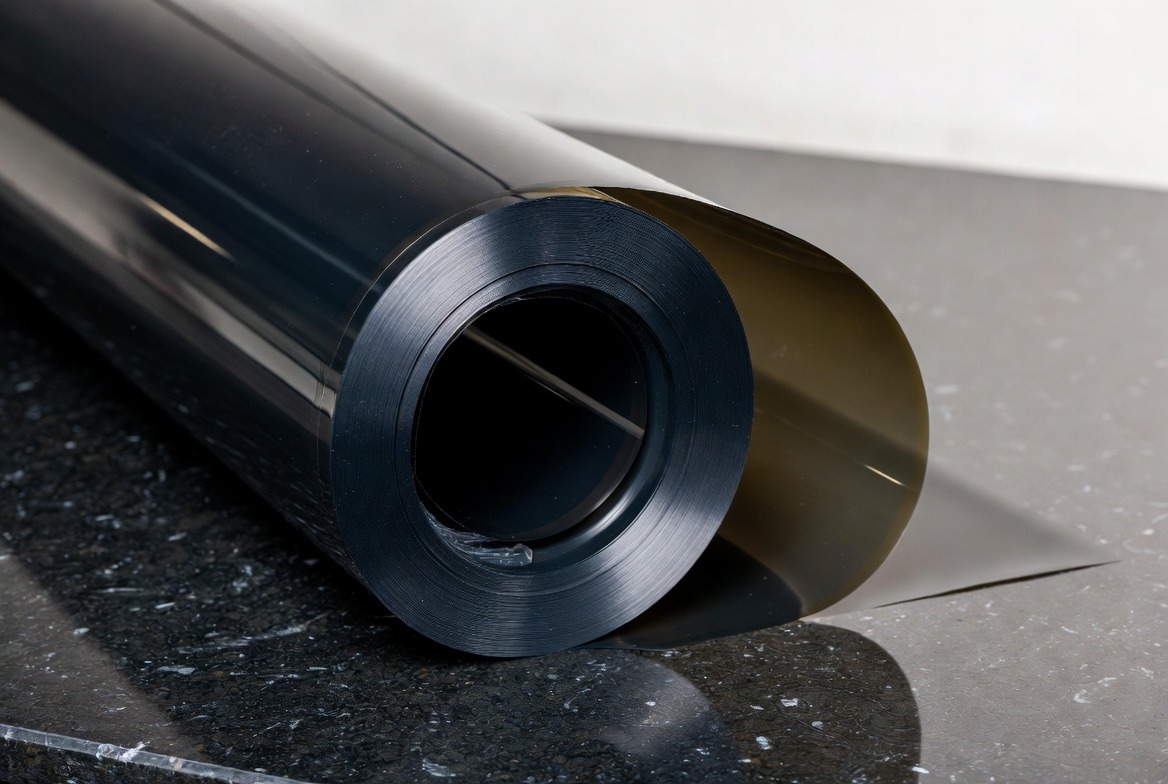
UV-blocking window films are thin layers of polyester or laminate that can be applied to windows to filter out harmful UV radiation. They serve as a protective barrier, significantly reducing the penetration of UV rays that can cause long-term damage to interior furnishings and human skin. These films are engineered to absorb or reflect the sun’s rays, reducing the amount of UV light that enters your home. This simple yet effective solution helps protect your furnishings, flooring, and artwork from fading and deterioration. Furthermore, they contribute to a healthier indoor environment by minimizing the risk of UV-related health issues such as skin cancer and eye damage. According to the U.S. Environmental Protection Agency, prolonged exposure to UV radiation can significantly increase health risks, making protective solutions like window films increasingly valuable.
- UV Protection: The primary benefit is their ability to block up to 99% of UV rays. This means your interiors are shielded from potential sun damage, preserving their condition and color. By preventing UV radiation from entering your home, these films help maintain the vibrancy and longevity of interior decor. This can be especially beneficial in rooms with valuable artwork, delicate fabrics, or antique furniture that are susceptible to fading over time.
- Energy Efficiency: By reducing heat gain through windows, these films help maintain a consistent indoor temperature, which can lead to lower energy consumption and reduced utility bills. In addition to minimizing heat entry, they also help retain indoor warmth during colder months, enhancing the overall energy efficiency of your home. This dual functionality can result in significant savings on heating and cooling costs, making them an economical choice for energy-conscious homeowners. The U.S. Department of Energy notes that window coverings and films can play a major role in improving insulation and reducing energy loss.
- Glare Reduction: UV-blocking films also minimize glare, providing a more comfortable viewing experience for screens and reducing eye strain. This feature is particularly advantageous in home offices or entertainment areas where screen visibility is crucial. By cutting down on glare, these films contribute to a more enjoyable and productive indoor environment, allowing you to work or relax without the constant discomfort of harsh sunlight.
- Privacy and Security: Depending on the type, some films can enhance privacy by making it harder to see inside your home during the day. They can also add a layer of security by holding shattered glass together in case of breakage. This added security feature is especially relevant in areas prone to storms or vandalism, where the risk of broken windows is higher. Moreover, the enhanced privacy aspect of certain films can provide peace of mind, making your home feel more secure and secluded.
- Aesthetic Appeal: Available in various shades and finishes, these films can complement your home’s design, adding a sleek and modern touch. Whether you prefer a subtle, invisible film or a stylish tinted look, there are numerous options to match your aesthetic preferences. This versatility allows you to enhance your home’s curb appeal while enjoying the functional benefits of UV protection.
While the benefits are clear, the performance of UV-blocking window films can vary based on several factors. It’s important to understand these factors to make an informed decision and maximize the films’ effectiveness.
Not all window films are created equal. High-quality films offer better UV protection and longevity compared to cheaper alternatives. Investing in a premium product ensures that you get the most out of your window films in terms of durability and performance. When choosing a film, look for reputable brands that provide warranties and have positive customer reviews. These indicators of quality can help you avoid products that may not perform as promised or deteriorate quickly over time.
The effectiveness of window films significantly depends on proper installation. Poorly installed films can lead to bubbling, peeling, and reduced performance. Hiring a professional installer ensures that the film is applied correctly, maximizing its benefits and lifespan. Professional installers have the necessary tools and expertise to handle different types of windows, ensuring a seamless application. This not only enhances the appearance of your windows but also guarantees that the films function as intended, providing optimal protection and efficiency.
The type and condition of your windows can influence how well the films perform. Older windows with single panes may benefit more from UV-blocking films compared to modern, double-glazed windows, which already offer some insulation and UV protection. If you have older or less efficient windows, applying UV-blocking films can be a cost-effective way to enhance their performance without the need for a full replacement. Conversely, if your windows are already energy-efficient, films can still add value by providing additional UV protection and glare reduction.
Your geographical location and climate can affect the performance of window films. In sunnier regions, films with higher UV rejection rates may be necessary, while in cooler areas, films focused on insulation might be more beneficial. It’s essential to consider the specific climate challenges your home faces to select the most appropriate film type. This consideration ensures that you receive the maximum benefits in terms of energy savings and protection from UV damage, tailored to your local environmental conditions.
Consider a family living in a sunny region with large south-facing windows. They noticed their hardwood floors and furniture fading over time. After installing high-quality UV-blocking films, they reported a significant reduction in fading, lower indoor temperatures, and decreased glare, enhancing their overall living experience. The family also appreciated the added privacy during the day, which allowed them to enjoy their bright and airy living space without compromising on comfort or security.
An office building with extensive glass walls was facing high energy costs and uncomfortable glare affecting employee productivity. By applying UV-blocking films, the company saw a noticeable drop in energy bills and a more comfortable working environment, leading to happier and more productive employees. The reduction in glare improved screen visibility, allowing employees to work more efficiently without the distraction of harsh reflections. Moreover, the films contributed to a more consistent indoor climate, reducing the need for frequent adjustments to heating and cooling systems.
When selecting UV-blocking films, consider these factors to ensure you choose the best option for your needs:
- UV Rejection Rate: Choose films with a high UV rejection rate for better protection against fading and sun damage. This is especially important for homes with valuable interiors or for those in regions with intense sunlight exposure.
- Visible Light Transmission (VLT): Determine how much natural light you want to allow inside. Higher VLT means more light enters, while lower VLT offers more shading. Balancing light transmission with UV protection can help you achieve the desired ambiance in your home while maintaining energy efficiency.
- Infrared Rejection: This measures the film’s ability to block heat. Films with high infrared rejection rates can further enhance energy efficiency. For homes in hot climates, selecting a film with strong infrared rejection can significantly reduce cooling costs and improve indoor comfort.
- Aesthetic Preferences: Decide if you want a clear film for an unobstructed view or a tinted one for added privacy and style. Consider how the film’s appearance will integrate with your home’s design and how it will affect the overall look of your interior and exterior spaces.
For optimal results, hire a professional installer. They have the expertise to handle the film properly, ensuring it adheres smoothly and effectively to your windows. This professional touch not only enhances the performance of the films but also prevents common issues such as bubbles or misalignment that can detract from their benefits.
To maintain their performance, clean your window films regularly using a soft cloth and mild soap solution. Avoid abrasive materials that could scratch the film. Regular cleaning helps preserve the clarity and effectiveness of the films, ensuring they continue to provide protection and aesthetic value over time.
Inspect your films periodically for any signs of peeling or bubbling. Addressing these issues early can prevent further damage and ensure continued protection. Regular inspections can also help you identify any areas that may need professional attention, prolonging the life of your window films and maintaining their effectiveness.
UV-blocking window films are a smart and effective solution for protecting your home from the sun’s harmful rays. By reducing UV exposure, enhancing energy efficiency, and adding to your home’s aesthetic appeal, these films offer a multitude of benefits. For homeowners and interior designers seeking innovative solutions, UV-blocking films are a reliable choice. With proper selection and installation, you can enjoy a more comfortable, energy-efficient, and visually pleasing living space.
Incorporating UV-blocking window films into your home improvement plans can lead to long-term savings, improved comfort, and preserved interior beauty. Whether you’re looking to protect your furnishings, lower energy bills, or simply enjoy a more comfortable indoor environment, these films are a valuable addition to any home. By investing in high-quality films and professional installation, you can maximize their benefits, ensuring your home remains a safe and inviting sanctuary from the sun’s relentless rays.