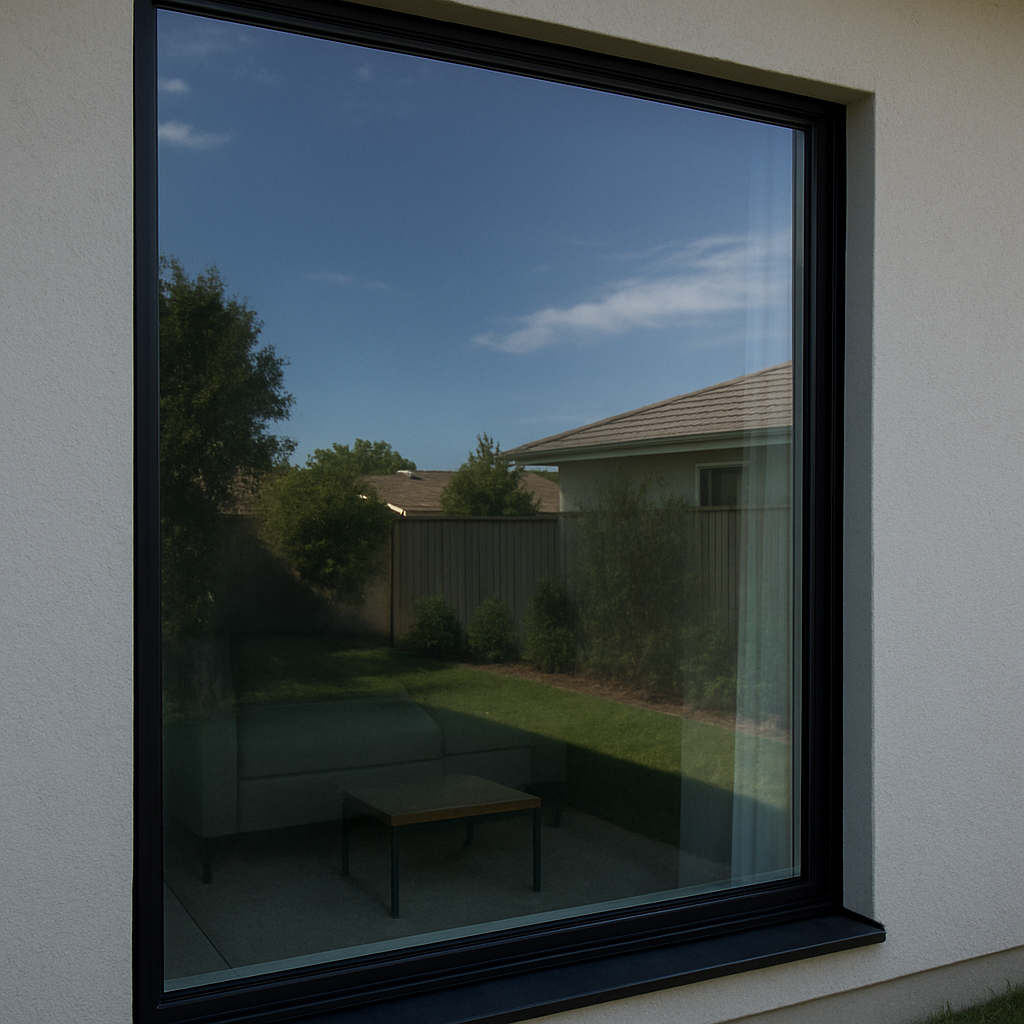
When it comes to enhancing home comfort and energy efficiency, heat reducing window films can be a game-changer. These films help control the amount of heat that enters through windows, reducing glare and UV exposure while keeping your home cooler. However, like any home improvement solution, there are pitfalls to avoid to ensure you get the most out of your investment.
This guide will walk you through the common mistakes people make when choosing and installing heat reducing window films, so you can avoid them and ensure your home improvement project is a success.
Heat reducing window film is a thin laminate designed to be applied to windows. It blocks a significant amount of solar heat, which can improve the energy efficiency of your home. They come in various types, each offering different levels of heat reduction, UV protection, and glare control.
Types of Window Films
Before delving into mistakes, it’s crucial to understand the different types of window films available:
- Reflective Films: These films are often mirrored on one side and are excellent for rejecting a high amount of heat. However, they may not always suit aesthetics.
- Tinted Films: These films are less reflective and come in various shades. They’re great for reducing heat while preserving the view.
- Spectrally Selective Films: They allow some light in but are excellent at blocking heat. They are more advanced and often more expensive.
Choosing the right type of film for your needs is the first step in avoiding mistakes.
Common Mistakes When Choosing Window Film
Not Considering Your Needs
One of the biggest mistakes is not considering your specific needs before purchasing window film. You need to think about:
- Climate: If you live in a particularly sunny area, you might need a film with higher heat rejection.
- Aesthetics: Tinted or reflective films can alter the appearance of your windows. Consider how this fits with your home’s design.
- Budget: Different films come at different price points. Make sure you choose a film that fits your budget without compromising on quality.
Overlooking Professional Advice
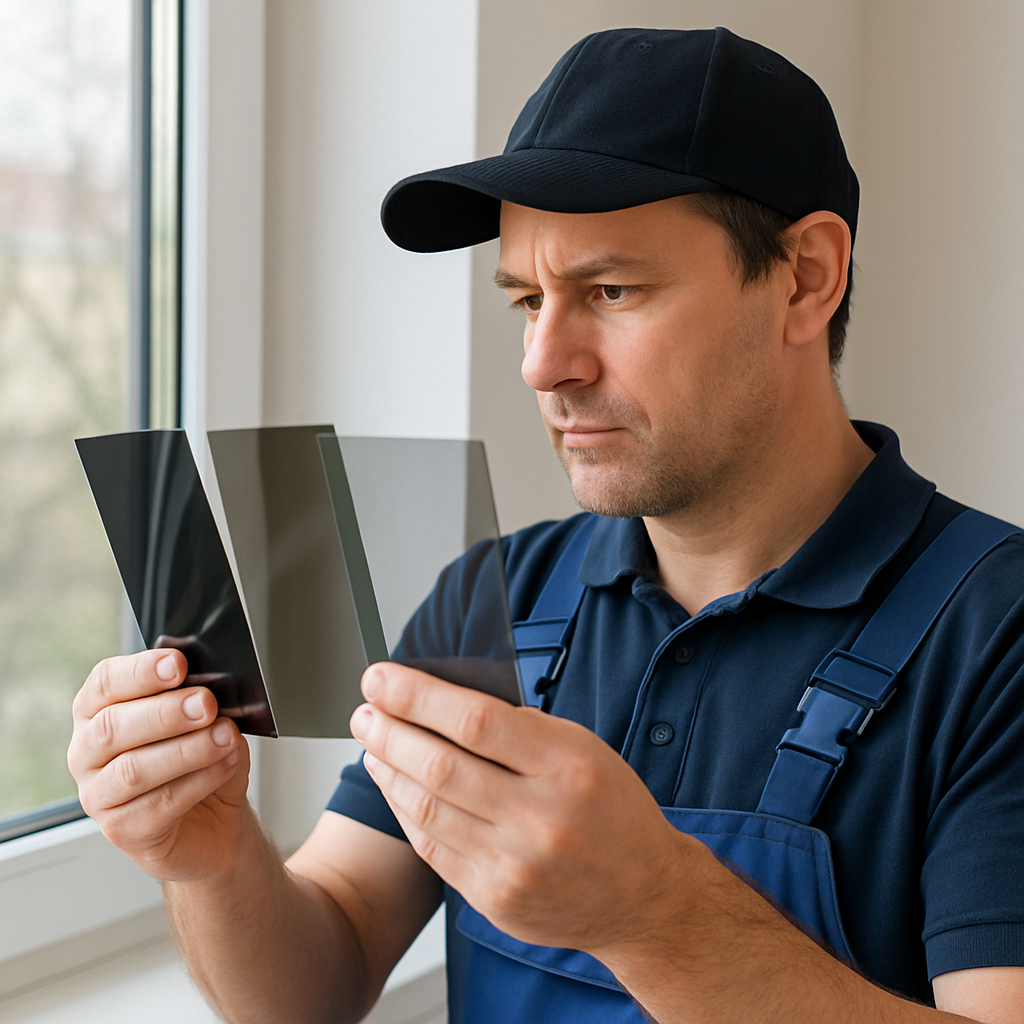
Failing to seek professional advice can lead to choosing the wrong type of film. Professionals can assess your specific needs and suggest the best film for your situation.
Ignoring Warranty and Lifespan
Another common mistake is ignoring the warranty and lifespan of the film. High-quality films often come with warranties that cover peeling, cracking, and fading. Make sure you understand the terms and choose a product that offers a reasonable warranty.
Mistakes During Installation
DIY Installation Without Proper Knowledge
While DIY projects can be rewarding, installing window film without the proper knowledge can lead to a variety of problems:
- Bubbles and Wrinkles: Improper installation can result in bubbles and wrinkles, reducing the film’s effectiveness and appearance.
- Incorrect Measurements: Cutting the film to the wrong size can waste material and lead to poor coverage.
To avoid these issues, consider hiring a professional installer who has experience with window films.
Not Preparing the Window Surface
Failing to properly prepare the window surface is a common mistake. The glass should be thoroughly cleaned and free from dirt, grease, and any residues. Any debris left on the glass can cause the film to adhere improperly, leading to bubbles and a poor finish.
Post-Installation Mistakes
Skipping Maintenance

by Marius Girard (https://unsplash.com/@mgird)
After installation, it’s vital to maintain your window film to prolong its lifespan. Use a soft cloth and non-abrasive cleaner to avoid scratching the film. Harsh chemicals can damage the film and void warranties.
Not Monitoring the Film’s Condition
Over time, window films can degrade, especially if exposed to extreme conditions. Regularly check for signs of wear and tear such as peeling or fading, and address issues promptly to maintain efficiency.
Making the Most of Your Heat Reducing Window Film
By avoiding these common mistakes, you can ensure that your heat reducing window film performs optimally:
- Evaluate and plan: Understand your needs, consider your budget, and seek professional advice.
- Choose quality over cost: Invest in a high-quality film that offers good performance and warranty.
- Professional installation: Hire experts for installation to avoid common pitfalls and ensure the film is applied correctly.
- Regular maintenance: Keep the film clean and monitor for any signs of damage.
Conclusion
Heat reducing window films are an excellent way to enhance your home’s comfort and energy efficiency. By avoiding common mistakes, you can ensure a smooth installation process and enjoy the benefits of reduced heat and glare for years to come. Whether you’re an interior designer looking to recommend the best solutions for your clients or a homeowner seeking to improve your living space, understanding these pitfalls is key to making a smart investment.
Embrace the advantages of window films by selecting wisely and maintaining them properly, and you’ll enjoy a more comfortable and energy-efficient home.