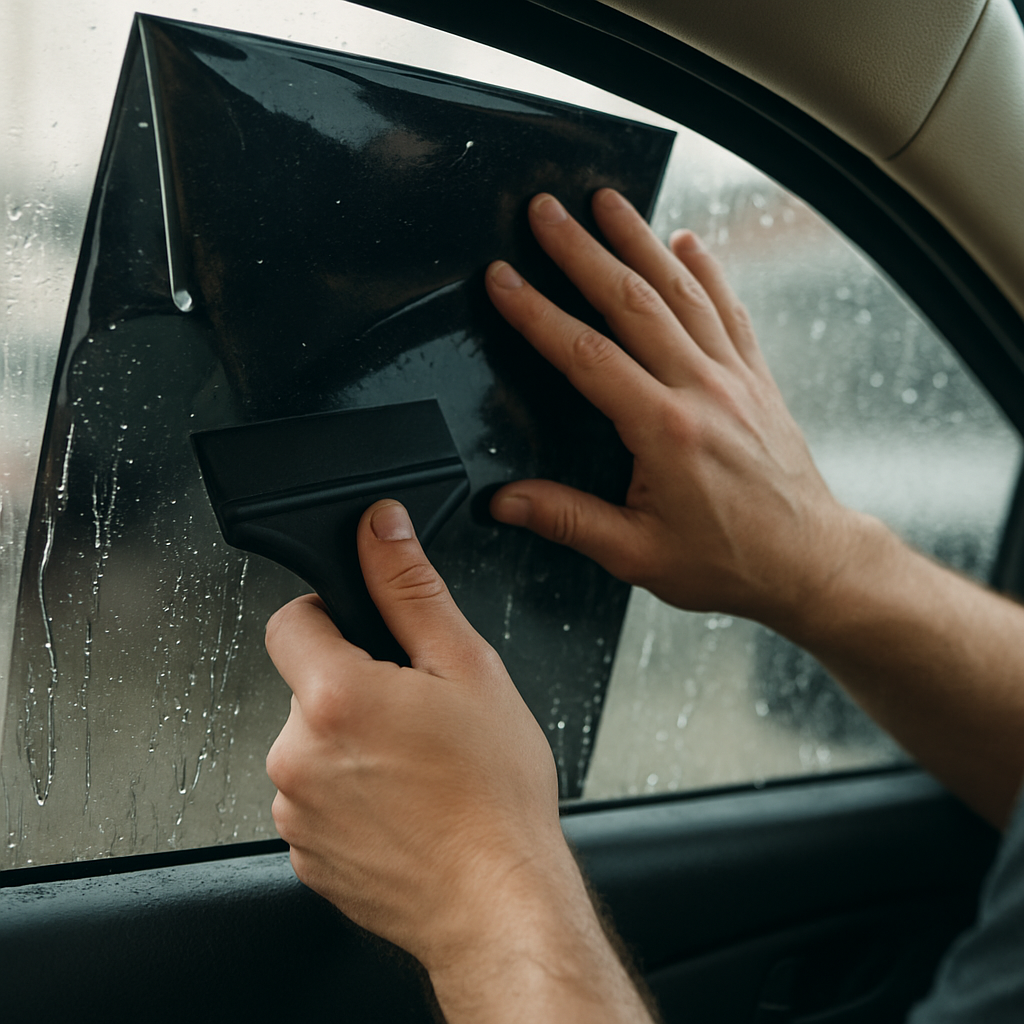
When it comes to enhancing the comfort and style of your living or working space, window tint film is an outstanding solution. Not only does it provide aesthetic appeal, but it also offers practical benefits such as energy efficiency, UV protection, and increased privacy. Whether you’re an interior designer seeking cost-effective solutions for your clients or a homeowner looking to improve your space, understanding window tinting can be incredibly beneficial.
Window tint film is a thin laminate film that can be installed on the interior or exterior of glass surfaces in homes, offices, or vehicles. Its primary function is to reduce the amount of sunlight and UV rays that pass through the glass. This reduction helps in maintaining a cooler environment, protecting interiors from sun damage, and enhancing privacy.
Types of Window Tint Film
There are several types of window tint films available, each with unique features and benefits:
- Dyed Window Film: Known for its affordability, dyed window film is primarily used for its appearance. It provides a non-reflective finish and blocks some heat and UV rays.
- Metalized Window Film: This type offers a shiny appearance and is effective at blocking heat and UV rays. The metal particles in the film reflect heat away from the glass.
- Carbon Window Film: Carbon film doesn’t contain metal, so it won’t interfere with electronic devices. It offers a matte finish and excellent UV protection.
- Ceramic Window Film: Known for superior performance, ceramic film blocks heat and UV rays without reducing visibility. It’s the most expensive option but offers the best clarity and protection.
- Hybrid Window Film: Combining dyed and metalized films, hybrid films offer a balance of performance and cost-effectiveness.
Benefits of Window Tint Film

Energy Efficiency
One of the most significant benefits of window tint film is its ability to reduce energy costs. By blocking out heat from the sun, window films help to maintain a consistent indoor temperature, reducing the need for air conditioning and heating. This not only lowers energy bills but also lessens your carbon footprint.
UV Protection
Window tint films can block up to 99% of harmful UV rays. This protection prevents fading of furniture, carpets, and artwork, extending the life of your interior furnishings. For individuals, it also reduces the risk of skin damage caused by UV exposure.
Privacy and Security
Tinted windows increase privacy by reducing visibility from the outside, making it harder for potential intruders to see inside. Some films are also designed to hold glass together in case of breakage, adding an extra layer of security.
Aesthetic Appeal
Window tint films come in various shades and colors, allowing you to customize the look of your space. Whether you prefer a sleek, modern appearance or a subtle, classic look, there’s a window film to match your style.
Choosing the Right Window Tint Film
Selecting the right window tint film involves considering several factors, including your specific needs, budget, and aesthetic preferences. Here are some tips to guide you:
Assess Your Needs
Determine what you hope to achieve with window tinting. Are you primarily interested in reducing energy costs, enhancing privacy, or improving aesthetics? Understanding your priorities will help you choose the right type of film.
Consider Your Budget
While ceramic films offer the best performance, they are also the most expensive. If budget is a concern, hybrid films can provide a good balance of cost and effectiveness.
Evaluate Aesthetic Preferences
Think about the look you want to achieve. If you’re an interior designer, consider how the film will complement the overall design of the space. Many films offer different shades and finishes, so choose one that aligns with your design vision.
Installation Process

by Brandi Alexandra (https://unsplash.com/@brandialxndra)
Professional installation is recommended for the best results. Here’s a general overview of the process:
- Preparation: The glass surface is cleaned thoroughly to remove any dirt or debris that could affect adhesion.
- Measurement and Cutting: The film is measured and cut to fit the dimensions of the window precisely.
- Application: The film is carefully applied to the glass, ensuring there are no bubbles or creases.
- Final Touches: Excess film is trimmed, and edges are smoothed to ensure a perfect fit.
DIY vs. Professional Installation
While DIY kits are available, professional installation is often preferred for several reasons:
- Expertise: Professionals have the experience and skills to apply the film flawlessly.
- Tools: Specialized tools are used to ensure a perfect fit and finish.
- Time: Professionals can complete the job quickly and efficiently, saving you time and effort.
Maintenance Tips
To keep your window tint film looking and performing its best, follow these maintenance tips:
- Cleaning: Use a soft cloth and a mild cleaning solution to clean the film. Avoid abrasive materials that could scratch the surface.
- Avoid Harsh Chemicals: Some cleaning products can damage the film. Stick to products specifically designed for tinted windows.
- Regular Inspections: Check regularly for any signs of peeling or bubbling, and address issues promptly to prevent further damage.
Conclusion
Window tint film is a versatile and valuable addition to any home or office. By understanding the types, benefits, and installation process, you can make informed decisions to enhance your space. Whether you’re looking to improve energy efficiency, protect interiors from UV damage, or simply add a touch of style, window tinting offers a practical and stylish solution. As a trusted source in home improvement, we’re here to assist you in finding the perfect window film to meet your needs and exceed your expectations.
Take the first step towards a more comfortable and stylish environment by exploring window tinting options today.