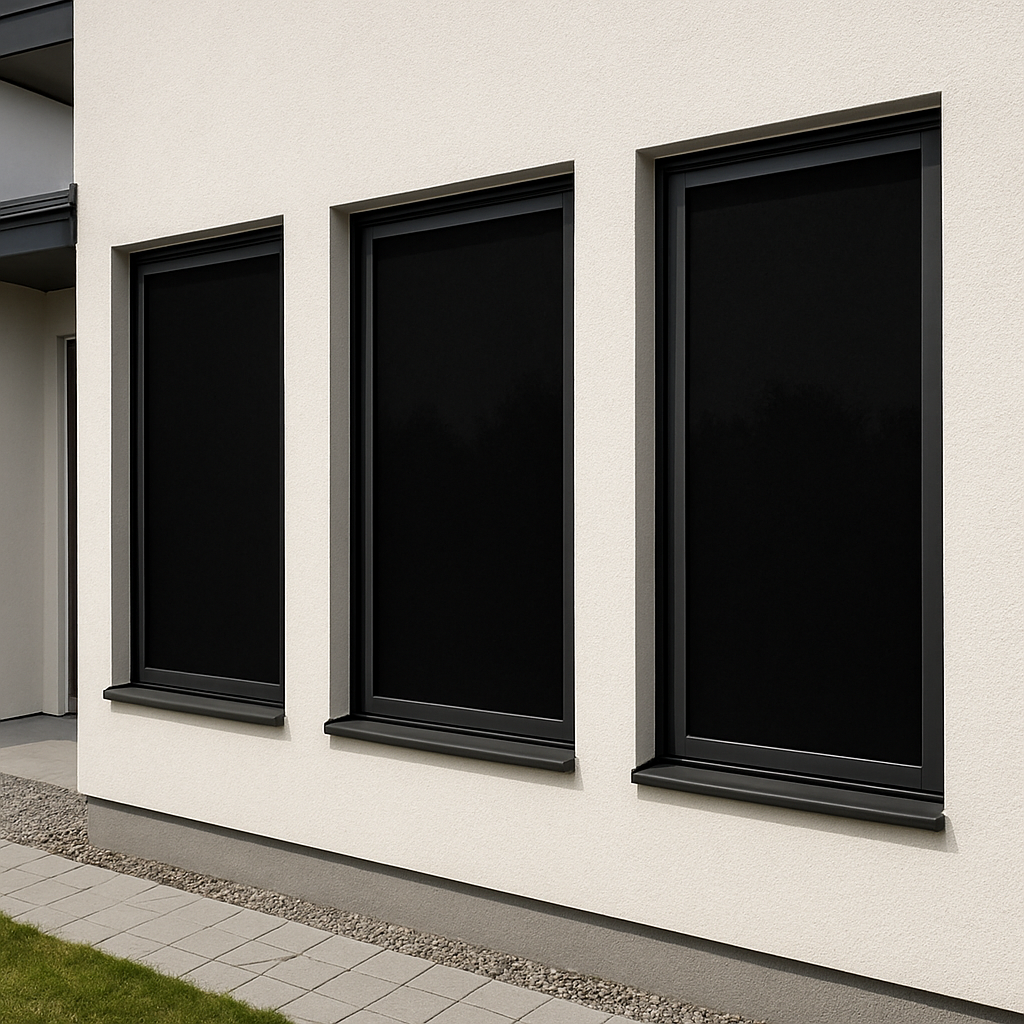
If you’re an interior designer on the hunt for cost-effective solutions that enhance both the aesthetics and energy efficiency of your client’s space, black window film could be a great option. However, without proper research and application, window film can lead to some common problems that may tarnish your project. Let’s explore the top mistakes to avoid when selecting and installing black window film to ensure you deliver top-notch results.
Before diving into the common mistakes, let’s clarify what black window film is and why it’s so popular. Black window film is a versatile home improvement solution that offers privacy, reduces glare, and minimizes heat gain. It can significantly enhance the aesthetic appeal of any room by adding a sleek, modern look.
For interior designers, black window film serves dual purposes: it’s a stylish addition to decor and a practical choice for reducing energy costs. According to the U.S. Department of Energy, properly selected window films can help reduce solar heat gain and improve overall building efficiency. But to make the most of its benefits, it’s crucial to understand how to use it correctly.
Mistake #1: Choosing the Wrong Type of Film
There are various types of black window films available, each with specific properties and intended uses. A common mistake is selecting a film type without considering the specific needs of the space and its occupants. To better understand the types of window film available and how they differ, it’s important to review their performance characteristics before making a decision.
Different Types of Black Window Film
- Solar Control Film: Designed to reduce heat and glare while protecting interiors from UV rays.
- Privacy Film: Offers one-way visibility, making it perfect for rooms that require discretion.
- Decorative Film: Adds patterns and designs to windows, enhancing visual appeal.
Choosing the right type involves evaluating factors like the amount of sunlight the room receives, the privacy level needed, and the overall design goals. Failing to match the film type to the room’s requirements can lead to dissatisfaction and additional costs for replacement.
Mistake #2: DIY Installation Without Proper Preparation
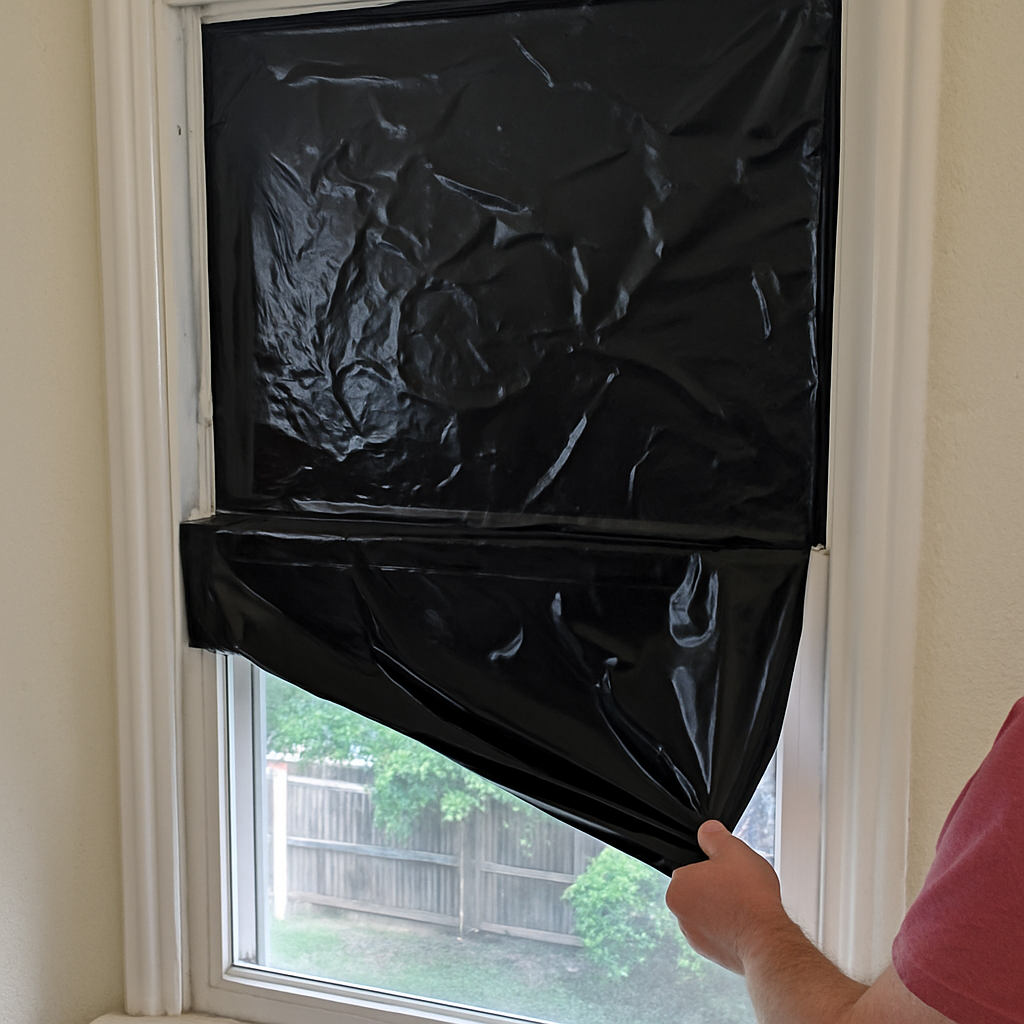
While DIY projects can be rewarding, installing window film without adequate preparation often leads to poor results. Here’s why:
- Improper Surface Cleaning: Any dirt or residue on the window can cause bubbles or peeling.
- Incorrect Measurements: Misjudging window dimensions can result in wasted material or ill-fitting film.
Preparing for Installation
To avoid these pitfalls, ensure that the window surface is thoroughly cleaned and free from dust and grease. Accurate measurements are crucial, so double-check dimensions before cutting the film. If precision and quality are priorities, consider reviewing DIY vs. professional installation options to determine the best approach for your project.
Mistake #3: Overlooking Long-Term Maintenance
Once installed, black window film requires minimal maintenance, but overlooking this step can reduce its lifespan and effectiveness.
Essential Maintenance Tips
- Regular Cleaning: Use a soft cloth and mild cleaning solution to keep the film in good condition.
- Avoid Abrasive Materials: These can scratch the film, leading to unsightly damage.
- Inspect for Peeling or Bubbling: Address any issues promptly to prevent further deterioration.
By maintaining your window film, you ensure it continues to look good and perform well for years to come. For additional building maintenance best practices, you can also reference guidance from the Natural Resources Canada – Energy Efficiency for Buildings.
Mistake #4: Neglecting Energy Efficiency Considerations
One of the primary benefits of window film is its potential to reduce energy costs by improving insulation. However, neglecting to consider energy efficiency during selection and installation is a missed opportunity.
Maximizing Energy Efficiency
Select films with high solar reflectance and low emissivity. These properties will help keep interiors cooler in summer and warmer in winter, ultimately reducing energy bills. The International Energy Agency highlights building envelope improvements, including window technologies, as critical strategies for reducing overall energy consumption.
Mistake #5: Ignoring Local Regulations and Building Codes

by Taylor Keeran (https://unsplash.com/@taylorkeeran)
Not all window films are suitable for every building. Ignoring local regulations and building codes can lead to compliance issues, especially in commercial or historic buildings.
Checking Compliance
Before purchasing and installing window film, research local regulations and consult with building management or relevant authorities. This step ensures that your project adheres to all guidelines and avoids potential fines or mandatory removals. You may also consult resources from the National Energy Code of Canada for Buildings (NECB) for broader compliance considerations.
Mistake #6: Focusing Solely on Price
While budget considerations are important, choosing window film based solely on price can result in low-quality products that don’t meet performance expectations.
Balancing Cost and Quality
Look for reputable manufacturers and suppliers known for quality products. Investing in a slightly more expensive film can save money in the long run by offering better durability and performance.
Conclusion: Making Informed Choices for Optimal Results
Avoiding these common mistakes when choosing and installing black window film will help you achieve the perfect balance between aesthetics and functionality. By understanding the purpose of the film, selecting the right type, and ensuring proper installation and maintenance, you can provide your clients with a stylish, energy-efficient window solution that complements their interior design.
Remember, your expertise as an interior designer is key to guiding your clients towards smart, informed decisions that enhance their living spaces and align with their goals for comfort, privacy, and cost savings. By keeping these insights in mind, you’ll be well-equipped to elevate any project with the strategic use of black window film.