Choosing the right window film for heat control can make a huge difference in both the comfort and energy efficiency of a home. As a home improvement expert, I’ve seen how the right film not only keeps interiors cooler but also reduces energy bills. In this guide, we’ll explore how to choose the best window film for heat, ensuring that your clients enjoy a comfortable and aesthetically pleasing environment.
Window films are thin layers of material applied to glass surfaces. They are designed to reject solar heat, reduce glare, and provide UV protection. But with so many options available, how do you choose the right one for heat control? Let’s dive into the essential factors to consider.
The Science Behind Solar Window Film
Solar window films work by reflecting and absorbing solar energy. This reduces the amount of heat that penetrates through the glass. They are typically made of polyester and can be clear, tinted, or coated with metals or ceramics for enhanced performance. According to the U.S. Department of Energy, properly selected films can significantly reduce heat gain and improve indoor comfort.
Why Consider Window Film for Heat Control?
Window films offer a dual benefit: they improve energy efficiency and enhance comfort. By blocking out a significant portion of solar heat, they reduce the load on air conditioning systems, leading to lower energy costs. They also minimize glare, making spaces more comfortable and reducing the fading of interior furnishings.
Factors to Consider When Choosing Window Film
Purpose and Performance
First, identify the primary purpose for the window film. Is it to reduce heat, enhance privacy, or improve aesthetic appeal? For heat control, focus on films that offer high solar heat rejection rates. Look for specifications like Total Solar Energy Rejected (TSER) and Visible Light Transmission (VLT) to gauge performance.
Aesthetic Preferences
Window films come in various shades and finishes. Clear films maintain the natural look of windows, while tinted films offer a shaded view. Decorative films can add a unique design element. Choose a film that complements the overall design scheme of the space.
Durability and Warranty
Consider the longevity of the window film. High-quality films are more durable and often come with warranties that cover peeling, cracking, or discoloration. A good warranty is a testament to the product’s quality and the manufacturer’s confidence.
Installation Process
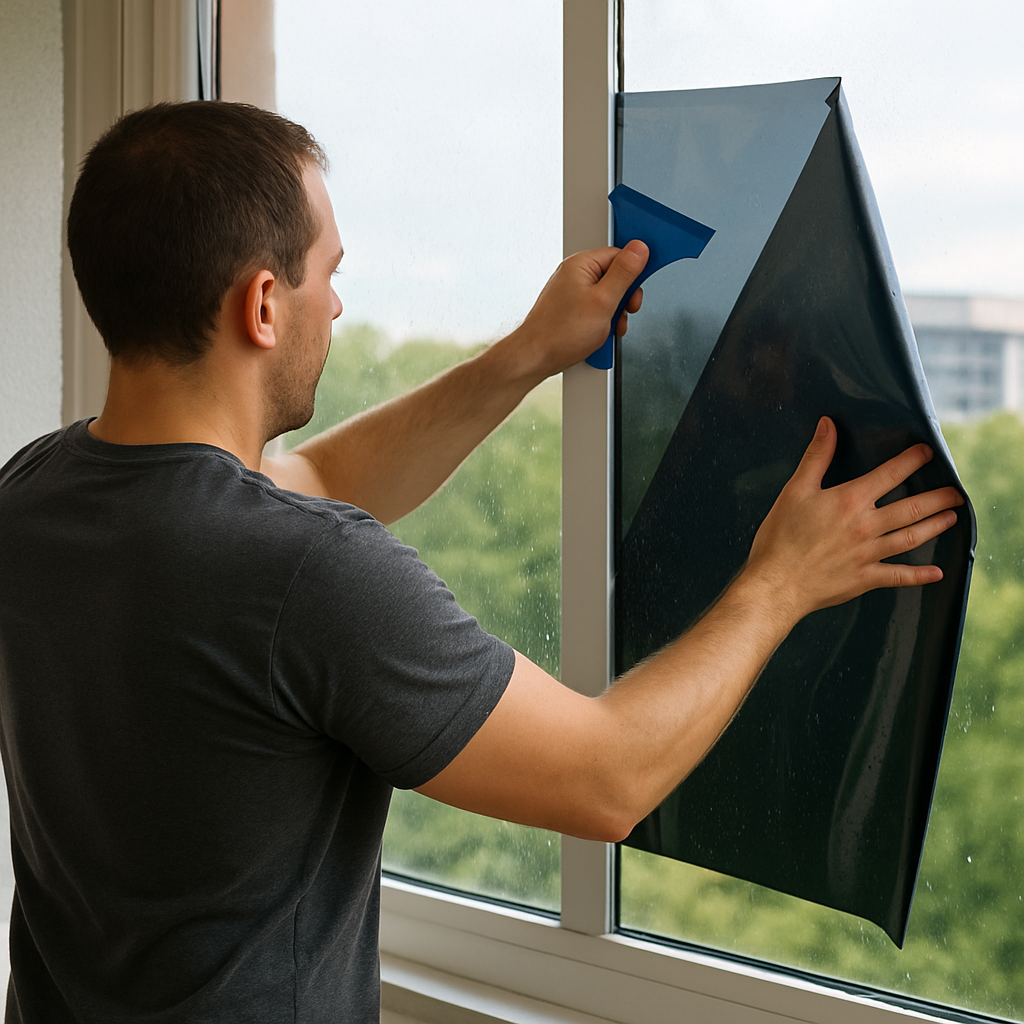
Proper installation is crucial for the effectiveness of window films. While DIY kits are available, professional installation ensures the best results. Experts have the tools and experience to apply films smoothly without bubbles or wrinkles.
Cost vs. Benefit
While window films are generally cost-effective, prices can vary based on material and performance. Evaluate the long-term savings in energy costs against the upfront investment. High-performance films might have a higher initial cost but can offer significant savings over time.
Types of Window Films for Heat Control

by Minyeong Jeong (https://unsplash.com/@manonsfoto)
Dyed Films
Dyed films are an economical option. They absorb solar heat and reduce glare. However, they may not be as effective as other types in heat rejection.
Metalized Films
These films contain tiny metallic particles that reflect heat and UV rays. They offer excellent heat control but may interfere with electronic signals.
Ceramic Films
Ceramic films use advanced technology to provide superior heat rejection without the use of metals. They offer high clarity and do not interfere with electronic devices.
Hybrid Films
Hybrid films combine dyes and metals for a balance of performance and cost. They offer decent heat reduction and glare control.
Benefits of Using Window Films for Heat Control
Enhanced Comfort
By reducing the amount of heat that enters a room, window films help maintain a consistent indoor temperature. This leads to a more comfortable living environment, especially during hot summer months.
Energy Efficiency
Window films significantly reduce the need for air conditioning by blocking heat. This translates to lower energy consumption and reduced utility bills, offering substantial savings in the long run. Research from the National Renewable Energy Laboratory highlights how solar control window technologies can improve building energy performance.
UV Protection
Window films block up to 99% of harmful UV rays. This protection prevents fading of furniture, flooring, and artwork, preserving the interior’s aesthetics.
Glare Reduction
Excessive glare can be uncomfortable and strain the eyes. Window films reduce glare, making it easier to watch TV, work on a computer, or simply relax without squinting.
Privacy and Security
Certain films offer additional privacy by obscuring the view from outside. They can also add an extra layer of security by holding shattered glass together in case of breakage.
Conclusion
Choosing the right window film for heat control is a smart investment for any homeowner. It enhances comfort, improves energy efficiency, and protects interiors from UV damage. By considering factors like performance, aesthetics, and cost, you can select a film that meets the specific needs of your clients.
When recommending window films, emphasize the long-term benefits and potential savings. As a trusted advisor, your expertise can guide homeowners toward solutions that enhance their living spaces while keeping them cool and comfortable. Remember, professional installation is key to maximizing the benefits of window films, ensuring that they perform effectively for years to come.
::contentReference[oaicite:0]{index=0}