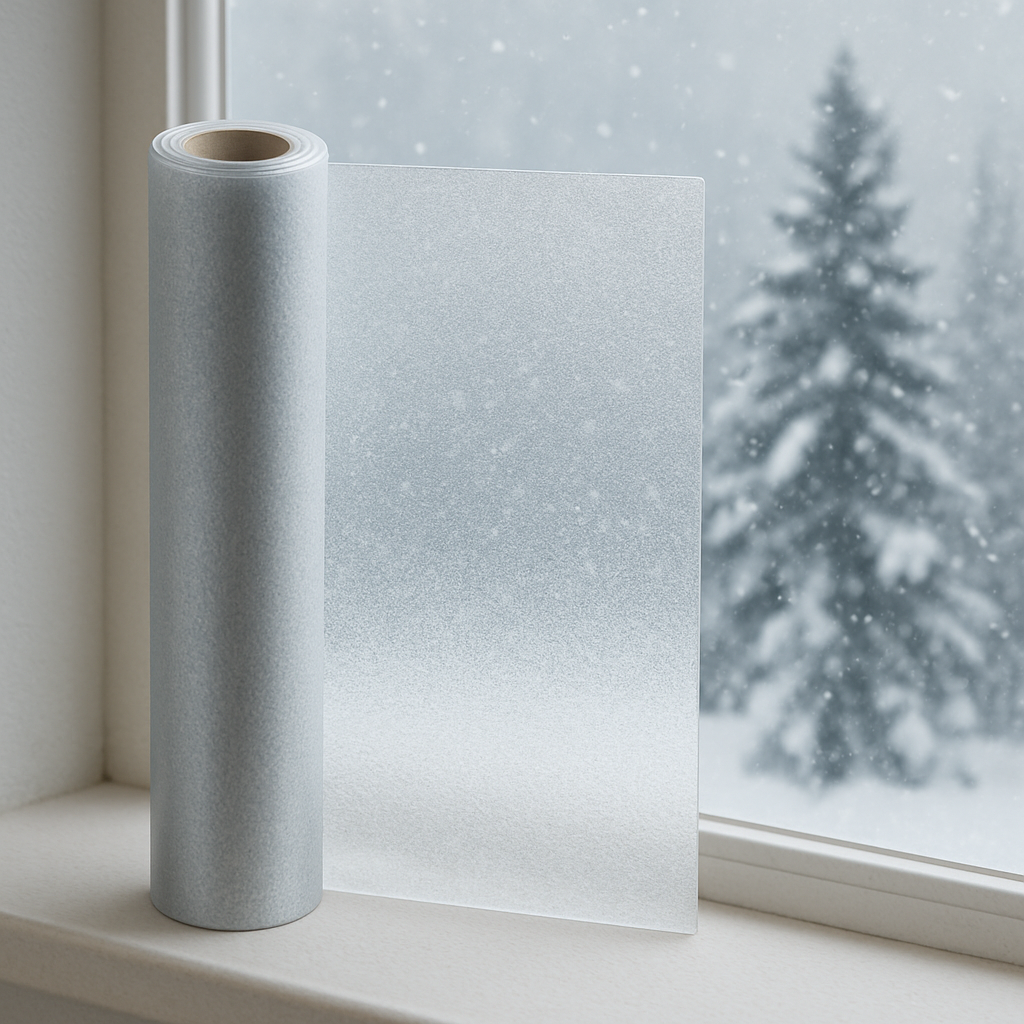
When the temperature drops and winter winds begin to howl, keeping your home warm can become quite the challenge. But what if there was a simple, cost-effective solution to improve your home’s insulation? Enter window films, an innovative way to enhance cold weather insulation in your home. These insulating window treatments not only help maintain a comfortable temperature but also contribute to energy savings and add a touch of style to your interiors.
In this article, we’ll explore the numerous benefits of window films for cold weather insulation and why they should be at the top of your list for home improvement this season.
Window films are thin, adhesive sheets applied to the interior surface of windows. They are designed to improve energy efficiency by adding a layer of insulation that reduces heat loss through the glass. Window films come in a variety of styles, including clear, tinted, and decorative, allowing you to choose a film that fits your aesthetic preferences and functional needs.
How Do Window Films Work for Cold Weather Insulation?
The Science Behind Insulating Window Treatments
Window films work by reflecting heat back into the room, reducing the amount of heat that escapes through your windows. This is achieved through a combination of materials and coatings that create a barrier against the cold. The film essentially acts as an extra pane of glass, enhancing the insulating properties of your windows without the need for expensive replacements.
Benefits of Window Films for Cold Climate Insulation
- Energy Efficiency: By reducing heat loss, window films help lower your heating bills. The added insulation means your heating system doesn’t have to work as hard, leading to significant energy savings over time.
- Comfort: Window films help maintain a consistent indoor temperature, eliminating cold drafts and creating a more comfortable living environment.
- Cost-Effective: Compared to installing new windows, window films are a much more affordable option for improving your home’s insulation.
- UV Protection: Many window films also block harmful UV rays, protecting your furniture and flooring from fading while letting in natural light.
Types of Window Films for Insulation
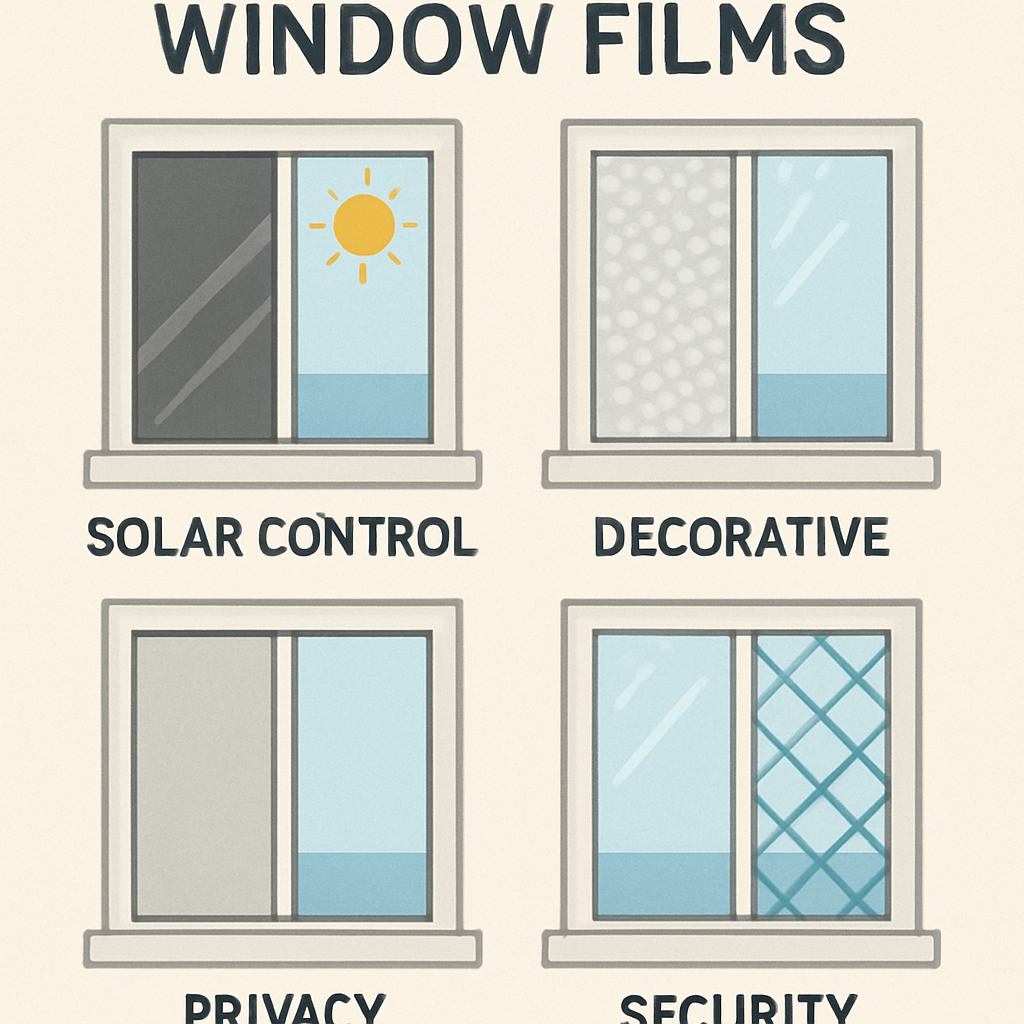
When choosing window films for cold weather insulation, it’s important to consider the types available and their specific benefits.
Insulating Window Films
These films are specifically designed to enhance your home’s insulation. They are often thicker than standard films and may feature multiple layers to maximize their insulating properties.
Low-E Window Films
Low-Emissivity (Low-E) films have a special coating that reflects heat back into the room while allowing sunlight to pass through. This makes them particularly effective at reducing energy consumption and improving comfort.
Decorative Window Films
If you’re looking to add a touch of style while improving insulation, decorative films offer an array of patterns and colors. They provide the dual benefit of aesthetics and functionality.
Installation Process
DIY vs. Professional Installation
While some homeowners may choose to install window films themselves, professional installation ensures a seamless finish and optimal performance. Professionals have the expertise to select the right film for your needs and apply it without bubbles or wrinkles.
Steps for Installation
- Preparation: Clean the window thoroughly to remove any dust or debris.
- Cutting the Film: Measure the window and cut the film to size.
- Applying the Film: Use a squeegee to apply the film, starting from the top and working your way down. Ensure there are no air bubbles.
- Trimming: Trim any excess film from the edges for a neat finish.
Case Studies: Real-World Applications
Enhancing Comfort in Residential Homes
In a cold-climate region, a homeowner wanted to reduce heating costs and improve comfort without sacrificing the view. By installing Low-E window films, they were able to achieve a 15% reduction in energy bills while maintaining a cozy indoor environment.
Stylish Solutions for Interior Designers

by Tavy (https://unsplash.com/@tavy)
An interior designer faced the challenge of finding window treatments that provided both insulation and aesthetic appeal. By selecting decorative films, they were able to complement the client’s modern décor while enhancing the home’s energy efficiency.
Maintenance and Longevity
Window films are durable and require minimal maintenance. To keep them looking their best, simply clean them with a soft cloth and a mild, non-abrasive cleaner. Avoid using harsh chemicals or scrubbing tools that could damage the film.
Environmental Impact
Choosing window films for insulation is also an eco-friendly decision. By reducing your home’s energy consumption, you’re contributing to a decrease in greenhouse gas emissions. Moreover, window films are often made from recyclable materials, making them a sustainable choice for environmentally conscious homeowners.
Conclusion
Window films offer a versatile and effective solution for improving cold weather insulation in your home. Whether you’re looking to enhance comfort, save on energy bills, or add a stylish touch to your interiors, window films provide numerous benefits that make them a smart investment. Consider consulting with a professional to determine the best type of film for your needs and enjoy a warmer, more energy-efficient home this winter.
By understanding and leveraging the benefits of window films, interior designers can offer clients a solution that is both functional and aesthetically pleasing, perfectly aligning with the goal of providing eco-friendly and stylish home improvements.
If you’re ready to explore the possibilities of window films for your home or design project, reach out to a trusted window film provider today to get started on transforming your space.