# How Window Tinting Helps with Home Heat Reduction
In the quest for a more comfortable and energy-efficient home, window tinting emerges as a compelling solution. Not only does it help in reducing glare and enhancing privacy, but it also plays a significant role in controlling indoor temperatures. For interior designers looking to integrate eco-friendly and stylish solutions into their projects, understanding the benefits of window tinting is essential.
Before diving into the benefits, it’s important to understand what window tinting involves. Window tinting refers to applying a thin film to the interior side of glass windows. This film is designed to reduce the amount of solar heat entering a building, thereby keeping indoor spaces cooler.
Types of Window Tinting Films
- Dyed Film: This type of film absorbs solar heat, preventing it from entering the home. It’s usually cost-effective and offers a sleek appearance.
- Metalized Film: Contains tiny metallic particles that reflect sunlight. While effective, it can interfere with cell phone and GPS signals.
- Ceramic Film: Uses nanotechnology to provide superior heat reduction without affecting visibility or electronic signals.
- Carbon Film: Known for its durability, it blocks infrared rays, reducing heat but maintaining visibility.
Each type of film offers unique benefits, allowing homeowners and designers to choose based on specific needs and preferences.
Benefits of Window Tinting for Heat Reduction
Energy Efficiency and Cost Savings
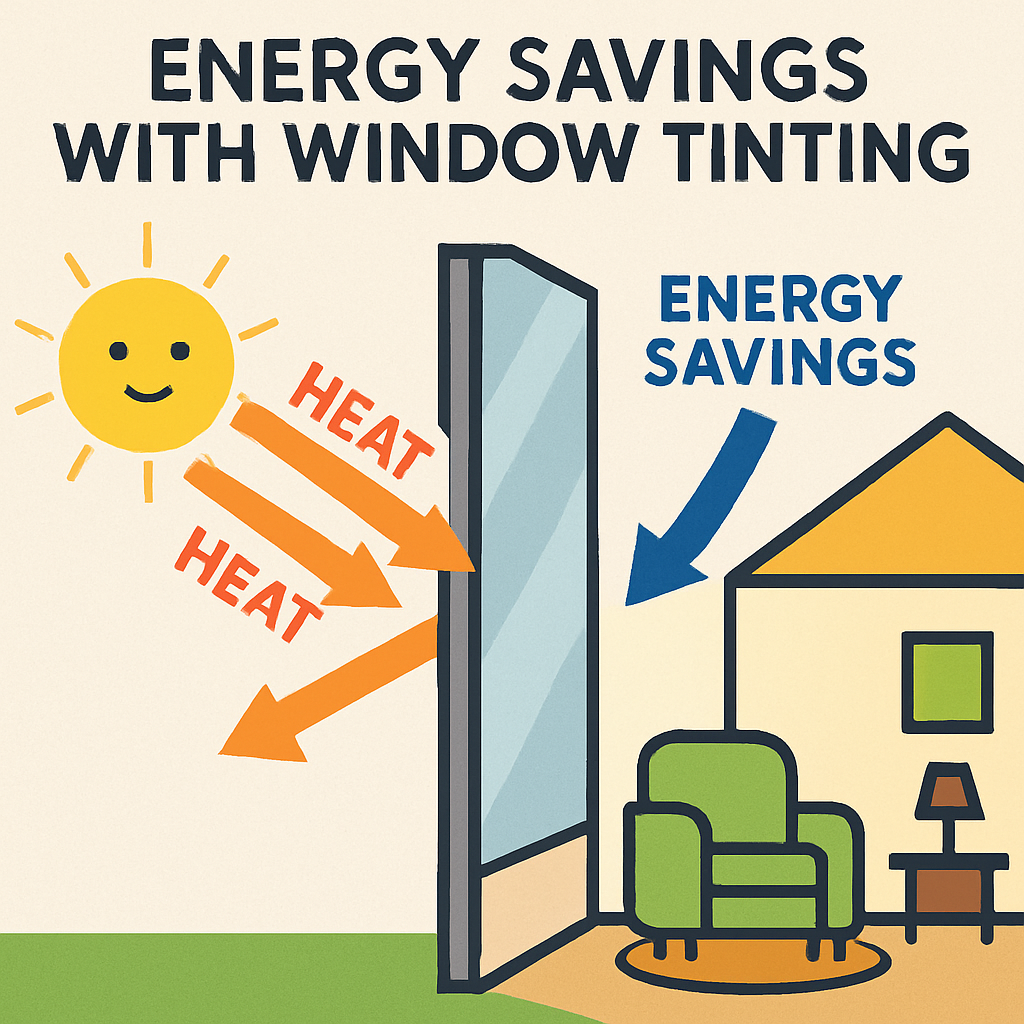
One of the primary benefits of home window tinting is its ability to enhance energy efficiency. By blocking a significant portion of solar heat, window tinting reduces the need for air conditioning, leading to lower energy bills. This makes it an attractive option for homeowners looking to save on energy costs while contributing to environmental sustainability. According to the U.S. Department of Energy, properly selected window coverings can significantly reduce heat gain in homes. Research from the National Renewable Energy Laboratory (NREL) also highlights the importance of improving window performance to reduce overall building energy consumption.
Improved Indoor Comfort
Window tinting helps maintain a consistent indoor temperature, reducing hot spots commonly caused by sunlight streaming through untreated windows. This ensures a more comfortable living environment, regardless of the weather outside.
Protection from UV Rays
Prolonged exposure to ultraviolet (UV) rays can cause damage to your skin and fade your furnishings. Window tinting significantly reduces UV exposure, protecting both your family and interior décor from harmful effects. The Environmental Protection Agency (EPA) notes that UV radiation is a known cause of skin damage and material fading. The Skin Cancer Foundation further explains the long-term risks associated with UV exposure.
Enhanced Privacy and Security
Certain types of window films offer increased privacy by making it more difficult for outsiders to see into your home during the day. Additionally, some films can make windows more shatter-resistant, adding a layer of security against break-ins or accidents.
Aesthetic Value of Window Tinting
For interior designers, the aesthetic appeal of window tinting cannot be overlooked. Available in a variety of shades and finishes, window films can complement and enhance the overall design of a space. Whether aiming for a sleek, modern look or a more traditional style, there’s a window tinting option to suit any design vision.
Customization Options
Window films come in different colors and levels of transparency, allowing customization to match the aesthetic and functional needs of any room. This flexibility makes it easier to incorporate window tinting into diverse design projects.
Considerations for Choosing Window Tinting
Assessing Client Needs

by Alex Tyson (Unsplash Profile)
When considering window tinting for a project, it’s important to assess the specific needs of the client. Factors such as the direction the windows face, the current level of privacy, and the design goals should all be taken into account.
Professional Installation
While some homeowners may consider a DIY approach, professional installation is recommended for optimal results. Experts in window film installations have the experience and tools necessary to ensure a flawless application, maximizing the performance and longevity of the tinting.
Balancing Light and Heat Reduction
It’s crucial to strike a balance between reducing heat and maintaining natural light. Discussing these aspects with a professional can help determine the right type of film that achieves both energy efficiency and a pleasant indoor ambiance.
The Future of Energy-Efficient Windows
The demand for energy-efficient solutions continues to rise, and window tinting is becoming increasingly popular among homeowners and designers alike. As technology advances, window films are expected to become even more effective, offering better performance and new features.
Innovations in Window Film Technology
Recent developments in window film technology are focusing on enhancing durability, improving clarity, and offering smart features such as automatic tint adjustments based on sunlight intensity. These innovations promise to make window tinting an even more attractive solution for modern homes.
Conclusion: Window Tinting as a Key Design Element
Incorporating window tinting into home design not only addresses energy efficiency and comfort but also adds a unique style element. For interior designers, understanding the benefits and options available with window tinting can elevate their ability to deliver exceptional, client-centered solutions.
By considering window tinting as part of the overall design strategy, designers can create spaces that are not only beautiful and comfortable but also environmentally conscious. This aligns with the growing trend towards sustainable living and offers clients a practical solution that meets both aesthetic and functional needs.