Categories
Window Films & Tints

Your Guide to Finding Local Window Tinting Experts

In the quest to enhance the aesthetics and energy efficiency of homes and commercial spaces, window tinting has emerged as a popular solution. Whether you’re looking to reduce glare, protect furnishings from UV damage, or simply enjoy a cooler indoor climate, finding the right local window tinting experts is essential. This guide will walk you through everything you need to know to make an informed decision.

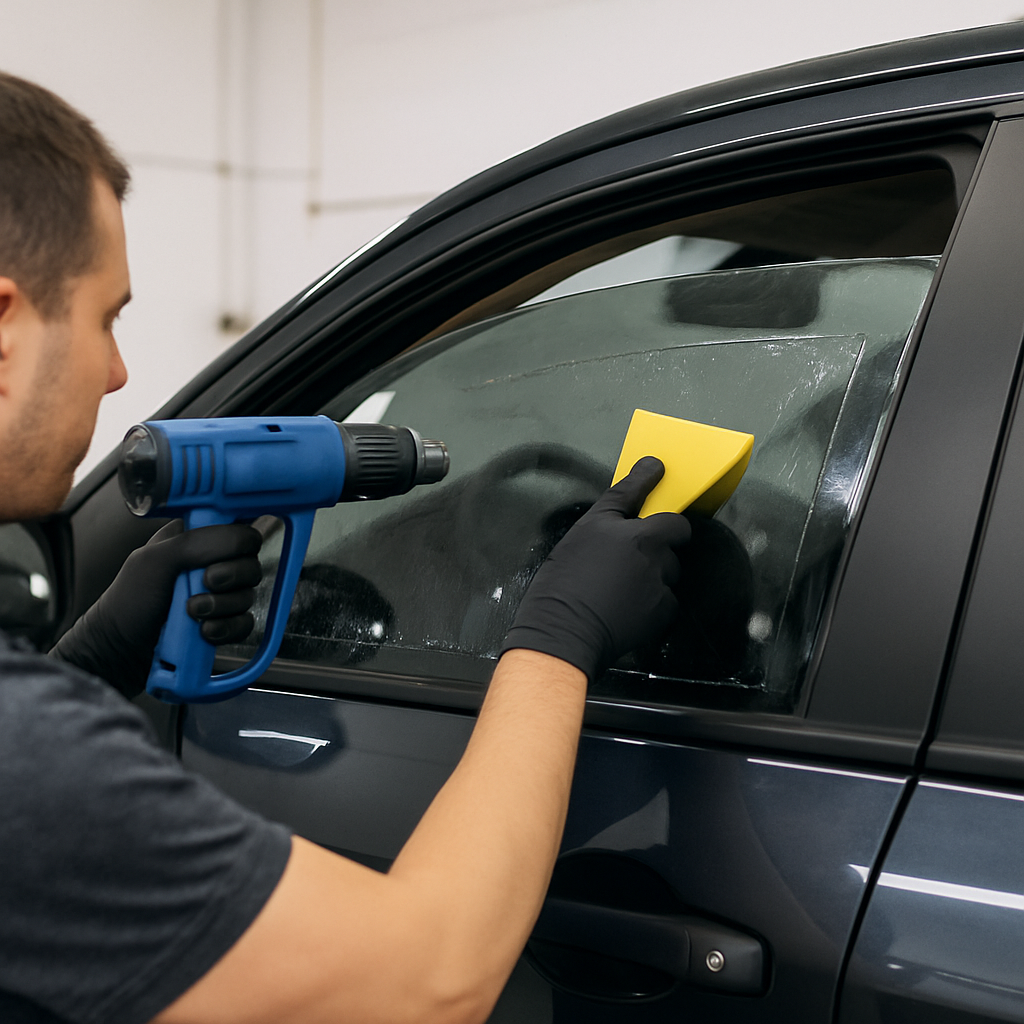
window_tinting_process

Window tinting involves applying a thin film to the interior or exterior of your windows. These films are designed to offer various benefits, including UV protection, glare reduction, and enhanced privacy. The right window tinting services can transform your space aesthetically while offering practical advantages.

Types of Window Tinting Films

There are several types of window tinting films available, each offering unique benefits:

  1. Solar Control Films: These are designed to reduce heat and glare, making your space more comfortable and energy-efficient.
  2. Security Films: These films add an extra layer of protection by holding shattered glass together in case of breakage.
  3. Decorative Films: Ideal for enhancing privacy or adding a touch of style, these films come in various patterns and designs.
  4. UV Protection Films: These block up to 99% of harmful UV rays, protecting your furniture and interiors from fading. According to the U.S. Environmental Protection Agency (EPA), prolonged UV exposure can damage materials and indoor furnishings.

Benefits of Window Tinting

Window tinting offers a myriad of benefits, both aesthetic and functional:

  • Energy Efficiency: Tinting can reduce your energy bills by minimizing the need for air conditioning. The U.S. Department of Energy notes that window coverings and films can significantly improve insulation and reduce heat gain.
  • Enhanced Privacy: Tinting offers privacy without compromising on natural light.
  • UV Protection: Protects your interiors from UV damage.
  • Improved Comfort: Reduces glare, making it easier to view screens and enjoy your space.

Why Choose Local Window Tinting Experts?

local_expert_consultation

Choosing local experts for your window tinting needs ensures that you receive personalized service and expert advice tailored to your specific requirements.

Advantages of Hiring Local Professionals

  1. Personalized Consultation: Local experts have a better understanding of regional climate conditions and can recommend the best solutions for your area.
  2. Quick Response Time: Being in proximity allows for faster service delivery and easy follow-ups if needed.
  3. Community Reputation: Local businesses often rely on word-of-mouth referrals, which means they are committed to maintaining a good reputation in the community.
  4. Support Local Economy: By choosing a local provider, you contribute to the local economy and support small businesses.

Questions to Ask Potential Window Tinting Experts

When selecting a window tinting service, consider asking the following questions to ensure you choose the best provider:

  • What types of films do you offer, and which would you recommend for my needs?
  • Can you provide references or examples of previous work?
  • What is the warranty period for your films and installation services?
  • How long will the installation process take?
  • Are your installers certified or have any special training?

Commercial Window Tinting: A Special Focus

commercial_window_tinting

by Chuko Cribb

While residential window tinting is popular, commercial window tinting offers specific benefits that are crucial for business environments.

Benefits for Businesses

  • Cost Savings: Reduces energy costs by lowering the need for artificial lighting and air conditioning.
  • Enhanced Privacy and Security: Tinted windows can prevent outsiders from looking in, protecting sensitive information and ensuring employee comfort.
  • Professional Appearance: Creates a polished and professional look for your business premises.
  • Glare Reduction: Improves visibility on computer screens, enhancing employee productivity.

Selecting the Right Tint for Commercial Spaces

When considering commercial window tinting, it’s essential to balance aesthetics with functionality. Opt for films that align with your brand’s image while providing the necessary benefits like UV protection and glare reduction. For additional guidance on window performance metrics and ratings, you can reference the National Fenestration Rating Council (NFRC).

How to Find the Best Local Window Tinting Services

Finding the right local window tinting experts involves more than just a quick online search. Here’s a step-by-step guide to help you through the process.

Step 1: Research and Shortlist

Start by researching local window tinting companies. Look for businesses with strong online reviews, a comprehensive portfolio, and a professional website.

Step 2: Verify Credentials

Ensure that the company you choose is licensed and insured. This protects you from any liabilities during the installation process. You can also review industry education and best-practice resources from the International Window Film Association (IWFA).

Step 3: Request Quotes

Contact several companies to get quotes. Compare their offerings, prices, and the type of films they use. Remember, the cheapest option isn’t always the best.

Step 4: Schedule Consultations

Arrange for in-person consultations to discuss your needs. This will give you a feel for their professionalism and expertise.

Step 5: Review and Decide

After consultations, review your options and decide based on the quality of service, expertise, and your budget.

Conclusion

Investing in window tinting services can significantly enhance the comfort, privacy, and energy efficiency of your home or office space. By choosing the right local window tinting experts, you ensure a high-quality installation and long-lasting results.

Remember to consider the unique needs of your space, whether residential or commercial, and select a service provider who can offer tailored solutions. With the right guidance and expert advice, you can transform your windows into functional and stylish features that enhance your living or working environment.

Finding the right professionals might seem daunting, but with the steps outlined in this guide, you are well on your way to making an informed and beneficial decision.

Categories
Window Films & Tints

DIY How to Take Off Old Window Film Without Damage

Removing old window film can be a straightforward task if you know the right methods. Whether you’re an interior designer seeking to update a client’s space or a homeowner looking to refresh your windows, removing old window film without causing damage is essential. In this guide, we’ll explore various techniques to help you successfully remove window tint, ensuring a clean and damage-free window surface.

Before delving into removal techniques, let’s briefly discuss what window film is and why it might need to be removed. Window film is a thin laminate film applied to glass surfaces in homes and buildings. It serves multiple purposes: reducing glare, blocking UV rays, enhancing privacy, and improving energy efficiency.

However, over time, window film may become outdated, damaged, or simply no longer suit your design preferences. When this happens, it’s time to remove the film. Fortunately, with the right approach, you can do this without harming your windows.

Before you begin the removal process, gather the necessary tools and materials. Here’s what you’ll need:

  • A spray bottle filled with soapy water
  • A utility knife or razor blade
  • A hairdryer or heat gun
  • A plastic scraper or credit card
  • Paper towels or a clean cloth
  • Window cleaner

Safety Precautions

While removing window film is generally safe, it’s important to follow some safety precautions:

  1. Work in a well-ventilated area to avoid inhaling any fumes from adhesives.
  2. Use a utility knife or razor blade with caution to prevent injury.
  3. Protect surrounding areas with drop cloths to catch any falling debris or adhesive residue.

Methods for Removing Window Film

Method 1: The Soapy Water Technique

The soapy water technique is one of the most popular methods for removing window film. It works effectively on most types of window film, including tinted and decorative varieties.

  1. Spray the Film: Generously spray the window film with soapy water. This helps to loosen the adhesive.
  2. Peel the Film: Starting at a corner, use your fingernail or a plastic scraper to lift the edge of the film. Slowly peel the film away from the glass. If the film resists, reapply soapy water and wait a few minutes before continuing.
  3. Remove Adhesive Residue: Once the film is removed, you may notice adhesive residue left on the glass. Use the soapy water and a plastic scraper to gently remove the residue. Wipe the area with a clean cloth to finish.

Method 2: The Heat Technique

Use a hairdryer for window film removal

Using heat is another effective way to remove window film, especially when dealing with stubborn adhesive.

  1. Heat the Film: Use a hairdryer or heat gun to warm the window film. Focus on one section at a time, holding the heat source a few inches away from the glass.
  2. Peel and Scrape: As the film heats, it will become more pliable. Begin peeling it away with your fingers or a plastic scraper. If you encounter resistance, reapply heat as needed.
  3. Clean the Surface: After removing the film, clean the glass with window cleaner to remove any remaining adhesive.

Method 3: The Ammonia Solution

For particularly stubborn window film, an ammonia solution can be effective.

  1. Prepare the Solution: Mix equal parts of ammonia and water in a spray bottle.
  2. Spray and Cover: Spray the solution onto the window film and cover it with a plastic wrap or garbage bag. The plastic helps to trap the ammonia and keep it from evaporating.
  3. Wait and Remove: Allow the solution to sit for at least 30 minutes. Then, remove the plastic wrap and peel the film away. Clean any remaining adhesive with a scraper and window cleaner.

Tips for a Successful Window Film Removal

  • Patience is Key: Take your time during the removal process. Rushing can lead to damaged glass or leftover adhesive.
  • Test a Small Area First: Before applying any method to the entire window, test it on a small, inconspicuous area to ensure it works without damaging the glass.
  • Use Gentle Tools: Avoid using metal scrapers or harsh chemicals that could scratch the glass or damage window frames.

Post-Removal Care

Clean windows after removing window film

by Don Bach

Once you’ve successfully removed the window film, it’s important to clean and maintain your windows:

  • Thoroughly Clean the Glass: Use a quality window cleaner to remove any traces of adhesive or dirt.
  • Inspect for Damage: Check the glass and window frames for any signs of damage. Address any issues before applying new window treatments.
  • Consider New Window Film: If you’re replacing the old film, choose a product that suits your aesthetic and functional needs, such as energy-efficient or privacy-enhancing films.

Conclusion

Removing old window film can be a manageable DIY project if approached with the right tools and techniques. Whether using soapy water, heat, or an ammonia solution, you can achieve clean and damage-free windows. Remember to take your time, follow safety precautions, and enjoy the refreshed look of your space. With these methods, you’re well-equipped to tackle window tint removal and enhance your living environment.

Categories
Window Films & Tints

Is It Easy to Remove Window Films from Home Windows

Removing window films from home windows might seem like a daunting task at first, but with the right techniques and a bit of patience, it can be a straightforward process. Whether you’re an interior designer seeking cost-effective solutions for your clients or a homeowner looking to refresh your living space, understanding how to effectively remove window tinting is essential. In this guide, we’ll explore the best methods for removing window films, offering tips and insights to ensure a smooth and efficient process.

Window films are a popular choice for many homeowners because they offer a range of benefits. They can enhance privacy, reduce glare, and improve energy efficiency by blocking out harmful UV rays. According to the U.S. Department of Energy, certain window attachments can significantly improve a home’s energy performance. However, over time, these films may become outdated, damaged, or simply no longer match your interior design.

It’s important to note that not all window films are the same. They can vary in terms of material, thickness, and adhesive quality, which can affect how easy they are to remove. If you’re unsure about your specific type, reviewing a detailed window film removal guide can help you better understand what to expect before starting. For additional industry background on film types and performance considerations, you can also reference the International Window Film Association (IWFA).

Tools You’ll Need

Before starting the removal process, gather the necessary tools. Having the right equipment on hand can make the task quicker and easier.

  • Utility knife or razor blade
  • Window cleaning solution or soapy water
  • Spray bottle
  • Squeegee
  • Paper towels or microfiber cloth
  • Steamer (optional for stubborn films)

Step-by-Step Guide to Remove Window Films

Step 1: Prepare the Area

Before you begin, lay down some old towels or sheets to catch any residue or debris. This will help protect your floors and make cleanup easier.

Step 2: Loosen the Film

Applying heat to window film

Start by loosening the film. If the film is old and brittle, it might be easier to peel off. For newer films, you’ll need to soften the adhesive. Fill a spray bottle with soapy water or a window cleaning solution and generously spray the film. Allow the solution to sit for a few minutes to penetrate the adhesive.

Step 3: Peel Off the Film

Use a utility knife or razor blade to lift a corner of the film gently. Be cautious to avoid scratching the glass. Once you have a corner, slowly peel the film away from the window. If the film resists, apply more soapy water and let it sit for a few minutes before trying again.

Step 4: Use Heat for Stubborn Films

If the film remains stubborn, apply heat to soften the adhesive. A steamer is effective, but a hairdryer can work in a pinch. Carefully heat the film, focusing on small sections at a time. Once heated, attempt to peel the film again.

Step 5: Remove Residual Adhesive

After removing the film, you may notice some adhesive residue left on the window. Spray the area with a window cleaning solution or soapy water and use a razor blade or squeegee to scrape off the residue. Wipe the window clean with paper towels or a microfiber cloth. If you’re choosing a cleaner and want a reputable safety benchmark, the EPA Safer Choice program is a helpful reference.

Step 6: Final Cleanup

Once all the film and adhesive are removed, clean the window thoroughly with a window cleaning solution to ensure a streak-free finish. For additional guidance on safe glass maintenance, the Family Handyman window cleaning guide offers practical cleaning recommendations. This will leave your window looking clear and ready for its next treatment.

Tips for Success

  • Patience is Key: Don’t rush the process. Taking your time will prevent damage to your windows.
  • Test in a Small Area: Before tackling the entire window, test your removal method on a small section to ensure it works without damaging the glass.
  • Use the Right Tools: A good quality utility knife or razor blade can make a significant difference in how easily the film peels away.
  • Seek Professional Help: If the film is particularly stubborn or you’re concerned about damaging the window, consider hiring a professional.

Benefits of Removing Old Window Films

Clean and clear window after film removal

by Dave Parizek (https://unsplash.com/@sleepnin)

Removing outdated or damaged window films can refresh the look of your home. It also provides an opportunity to upgrade to more modern solutions that align with the latest trends in window treatments, offering enhanced energy efficiency and aesthetic appeal.

For interior designers, this can mean providing clients with stylish, eco-friendly solutions that not only enhance the look of their living spaces but also contribute to lower energy costs.

Choosing New Window Films

Once your windows are clean and clear, you might decide to install new window films. When selecting new films, consider factors such as:

  • Purpose: Do you need films for privacy, UV protection, or decorative purposes?
  • Quality: Higher-quality films may be more expensive but often offer better performance and longevity.
  • Aesthetics: Choose a film that complements your interior design and enhances the overall look of your space.

Conclusion

Removing window films from home windows is a manageable task that can greatly enhance the appearance and functionality of your windows. By following the steps outlined in this guide and using the right tools, you can effectively remove old films and prepare your windows for new treatments.

Whether you’re an interior designer or a homeowner, understanding the removal process allows you to offer innovative solutions that meet individual needs, contributing to more beautiful, energy-efficient living spaces.