Categories
Window Films & Tints

How Much Time Does a Window Tinting Job Usually Take

When considering a window tinting job for your home or office, one of the first questions that likely comes to mind is, “How much time will this take?” Understanding the timeline for window tinting can help you plan accordingly and ensure that you achieve the best results possible. In this article, we’ll break down the process, exploring factors that affect the time it takes to complete a window tinting job, and provide an overview of what you can expect during the tinting process.

Window tinting is a meticulous process that requires precision and attention to detail. The time it takes to complete a window tinting job depends on several factors. Here are the main considerations:

Size and Number of Windows

The most straightforward factor affecting the duration of a window tinting job is the size and number of windows being tinted. Larger windows require more film and take longer to cover, while a greater number of windows will naturally increase the overall time required.

Type of Film

The type of window film you choose can also influence the time it takes to complete the job. Different films have varying properties and installation techniques. For example, security films are thicker and may require additional time and care to apply properly compared to standard solar films.

Complexity of the Installation

The complexity of the window shapes and accessibility can affect the duration of the installation. Windows with intricate designs or those located in hard-to-reach areas will generally take more time to tint than straightforward, easily accessible windows.

Professional vs. DIY Installation

Opting for a professional installation will likely save you time compared to a DIY approach. Professional installers are experienced and equipped with specialized tools, allowing them to work more efficiently and ensure a high-quality finish. You can learn more about the differences in this detailed guide on DIY vs. professional installation.

Typical Time Frames for Window Tinting

Experienced window tinting professional

While the specific time required can vary based on the factors mentioned above, we can provide some general guidelines for typical window tinting jobs:

Residential Window Tinting

For a standard residential property with a moderate number of windows, a professional window tinting job might take anywhere from two to four hours. This is an estimate for a small to medium-sized home with straightforward window designs.

Commercial Window Tinting

Commercial buildings with larger windows or a higher volume of windows can expect the tinting process to take longer. A professional team might spend a full day or more on a commercial tinting project, depending on the size of the building and complexity of the windows.

Vehicle Window Tinting

For those interested in vehicle window tinting, the process is typically quicker. A standard car might take around two to four hours for a complete tint job, while larger vehicles like SUVs may require a bit more time.

The Window Tinting Process

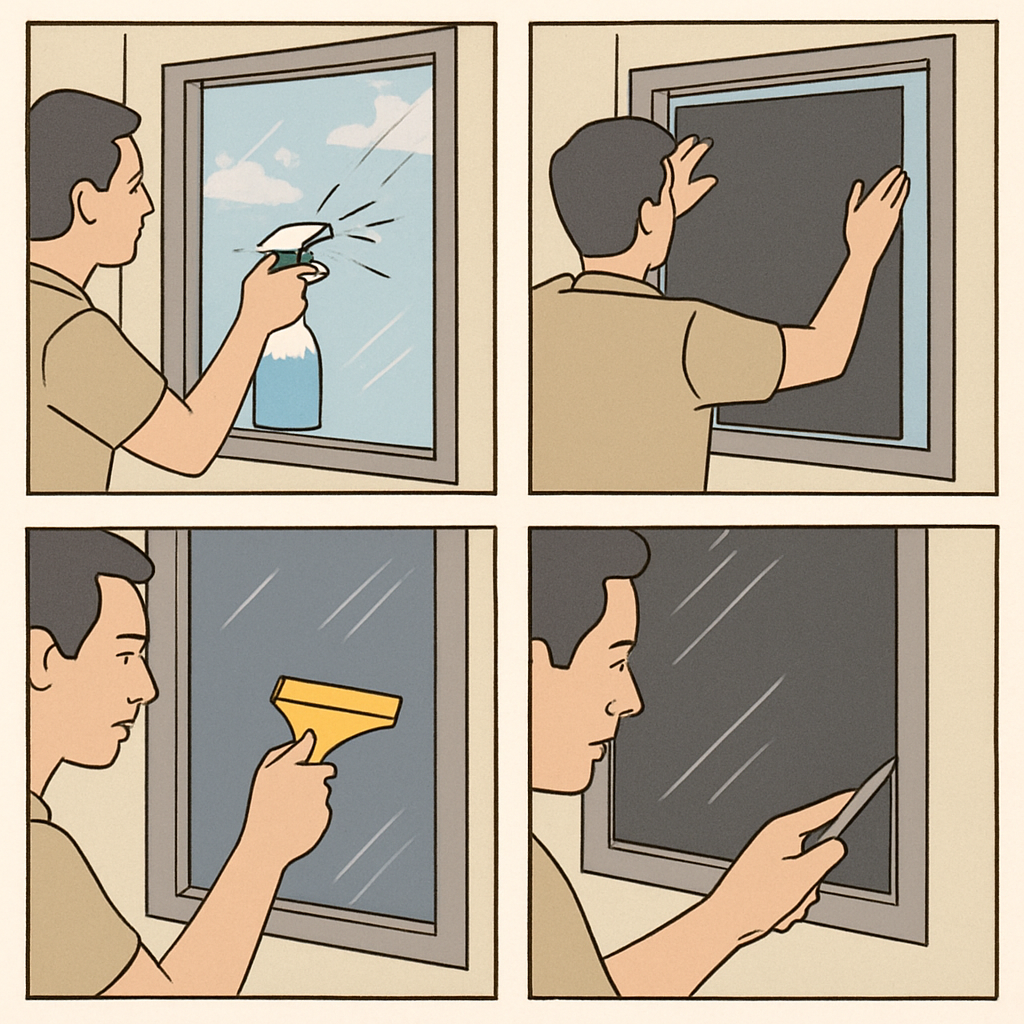
To better understand the time involved, it’s helpful to know what the window tinting process entails. Here’s a step-by-step overview:

Preparation

The preparation phase includes cleaning the windows thoroughly to ensure that the film adheres properly. Any dirt or debris left on the window can affect the quality of the installation. This step is crucial for achieving a smooth finish and typically takes about 30 minutes to an hour, depending on the number of windows. For official energy-efficiency guidance related to window improvements, you can also review recommendations from Energy.gov. For window performance ratings and certification details, see the National Fenestration Rating Council (NFRC).

Film Cutting and Fitting

Once the windows are clean, the tinting film is measured and cut to fit each window precisely. This step requires careful attention to detail to ensure that the film fits perfectly without any gaps or overlaps.

Application

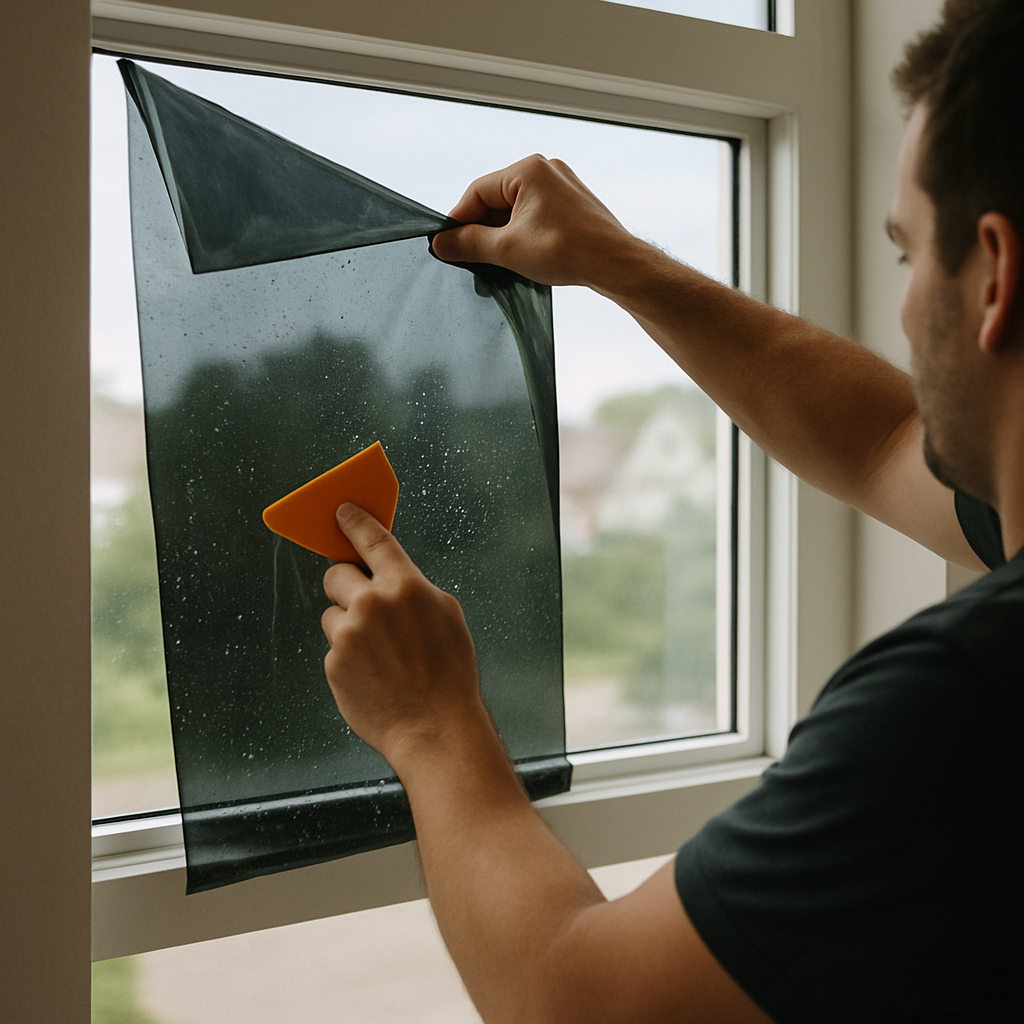
The film is then applied to the window surface. The installer uses a squeegee and other tools to smooth out the film, remove any air bubbles, and ensure that it adheres securely. The application process is where the experience of a professional can make a significant difference in the final result.

Final Inspection

After the film is applied, the installer will inspect the windows to ensure that the installation meets quality standards. Any necessary adjustments are made at this stage to achieve a flawless finish.

Window Tinting Cure Time

Sunlight through tinted window

by Davis Patton (https://unsplash.com/@davispatton)

It’s important to note that while the installation process may be completed in a few hours, the window tinting job is not entirely finished until the film has properly cured. The curing time refers to the period it takes for the adhesive to fully bond with the glass. For additional building performance standards and glazing insights, consult resources from the Natural Resources Canada. For industry resources and general best-practice guidance, you can also reference the International Window Film Association (IWFA).

Factors Affecting Cure Time

  • Climate: The curing process is influenced by the climate. Warmer, sunnier conditions will expedite the curing, whereas cooler, cloudy weather might prolong it.
  • Film Type: Different films have different curing times. Typically, it can take anywhere from a few days to several weeks for the film to cure completely.

Post-Installation Care

During the curing period, it’s essential to avoid cleaning the windows or using any harsh chemicals that could disrupt the adhesive. Following the installer’s care instructions will ensure the longevity and effectiveness of the window film.

Conclusion

Window tinting is a valuable investment that enhances the aesthetics, privacy, and energy efficiency of your space. By understanding the factors that influence the time required for a window tinting job, you can better plan for the installation and enjoy the benefits that come with it. Whether you’re opting for a professional service or considering a DIY approach, the key is to ensure that the installation is done correctly for optimal results.

In summary, while the actual application of window tinting may be completed in a few hours, the overall timeline includes preparation, installation, and curing periods. Patience during this process will pay off with beautifully tinted windows that improve your living or working environment.
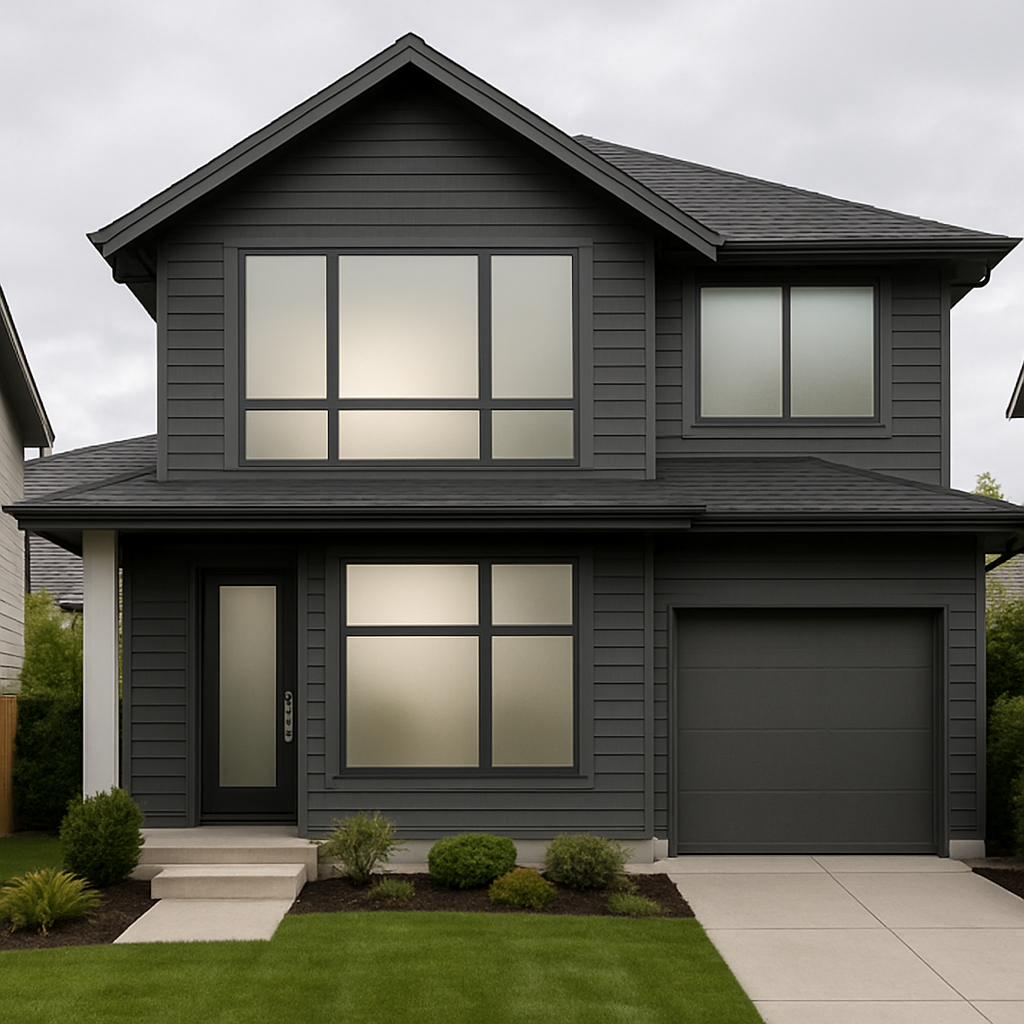
Categories
Window Films & Tints

Pros and Cons of Installing Exterior Window Films

When it comes to improving your home’s efficiency, privacy, and security, exterior window films offer a versatile solution. These films can transform your living space by adding a layer of protection and enhancing the aesthetic appeal of your windows. However, like any home improvement solution, they come with their own set of advantages and disadvantages. In this article, we’ll explore the pros and cons of installing exterior window films, helping you make an informed decision for your home.

Exterior window films are thin laminates made from polyester or other materials that are applied to the outside of glass surfaces. They serve multiple purposes, including reducing glare, blocking harmful UV rays, enhancing privacy, and improving security. Available in various styles and designs, these films can cater to both functional and aesthetic needs.

Types of Exterior Window Films

  1. Security window films: Designed to strengthen glass, making it more resistant to breakage. This film helps protect against break-ins and accidents.
  2. Privacy Window Film: Provides privacy by making windows opaque from the outside while allowing light to pass through.
  3. Solar Control Film: Reduces heat gain and glare, improving energy efficiency and comfort inside the home.

The Pros of Installing Exterior Window Films

Enhanced Privacy and Security

One of the primary benefits of exterior window films is enhanced privacy. Privacy window films obscure the view from outside without sacrificing natural light. This is particularly beneficial for homes located on busy streets or close to neighbors.

Security window films add an extra layer of protection to your windows, making them harder to break. In the event of an attempted break-in or severe weather, these films hold shattered glass together, reducing the risk of injury from flying shards.

Energy Efficiency and UV Protection

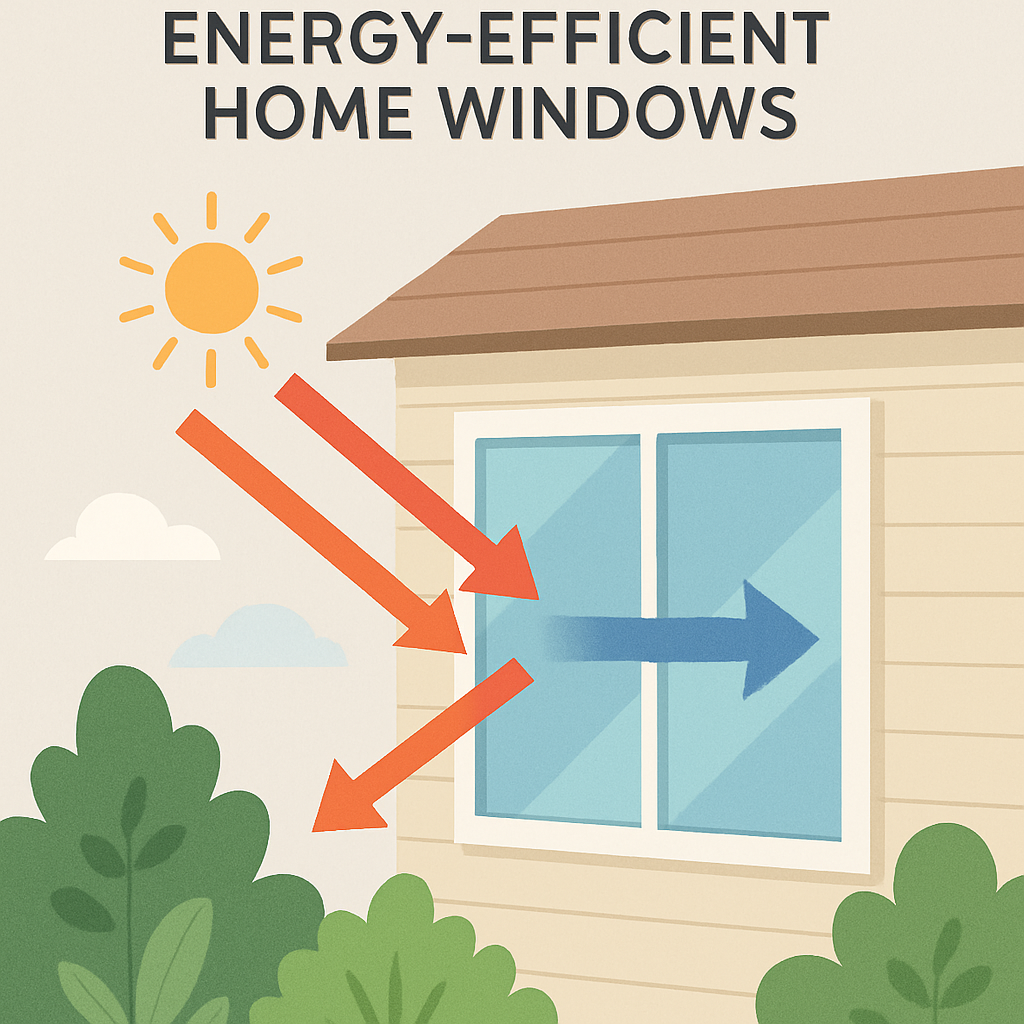
Energy-efficient home windows

Exterior window films can significantly improve the energy efficiency of your home. Choosing the right energy-efficient window tint can reduce heat gain during the summer and retain warmth during the winter, which can lead to lower energy bills. According to the U.S. Department of Energy, window films can help reduce solar heat gain and improve overall comfort. Additionally, these films block up to 99% of harmful UV rays, protecting your furniture and flooring from fading and damage. The Skin Cancer Foundation also notes that certain window films can significantly reduce UV exposure indoors.

Aesthetic Appeal

Window films come in a variety of colors, patterns, and textures, allowing you to customize the look of your windows. Whether you prefer a sleek, modern appearance or a decorative design, there is a window film to suit your style. This added aesthetic appeal can increase the curb appeal and value of your home.

Cost-Effective Solution

Compared to window replacement, installing exterior window films is a more affordable option. They offer many of the same benefits as new windows at a fraction of the cost. This makes them an attractive option for homeowners looking to enhance their living spaces without a significant financial investment.

Easy Installation and Maintenance

Installing window films is a relatively quick and non-invasive process. Professional installers can apply the film efficiently, minimizing disruption to your home. Once installed, window films require little maintenance beyond regular cleaning with mild soap and water.

The Cons of Installing Exterior Window Films

Potential for Damage

While exterior window films are designed to withstand the elements, they can be susceptible to damage over time. Exposure to harsh weather conditions, such as strong winds and hail, can cause films to peel or bubble. However, choosing high-quality films and professional installation can mitigate these risks.

Limited Lifespan

Exterior window films generally have a lifespan of 10 to 15 years, depending on the quality of the film and environmental factors. Over time, films may degrade or lose their effectiveness, requiring replacement. This is an important consideration for homeowners seeking a long-term solution.

Compatibility with All Windows

Not all windows are suitable for film application. Some types of glass, such as textured or low-emissivity glass, may not be compatible with certain films. It’s essential to consult with a professional to determine if window films are a viable option for your specific windows.

Initial Investment

Although more cost-effective than replacing windows, the initial investment for high-quality window films and professional installation can still be significant. It’s important to weigh the potential energy savings and benefits against the upfront costs.

Reduced Natural Light

While privacy and solar control films are designed to let in natural light, some reduction is inevitable. This could be a drawback for homeowners who prioritize bright, sunlit interiors. However, there are films available that offer a balance between privacy, UV protection, and light transmission.

Is Window Film Installation Right for You?

Professional window film installation

by Blake Harbison (https://unsplash.com/@blake_harbison)

When considering exterior window films, it’s important to evaluate your specific needs and priorities. If you’re looking for a cost-effective way to enhance privacy, improve energy efficiency, and protect your home from UV damage, window films may be an ideal solution.

For interior designers, window films can be a valuable tool in creating stylish, eco-friendly spaces that align with clients’ preferences and sustainability goals. They offer flexibility in design and function, allowing designers to meet both aesthetic and practical requirements.

Conclusion

Exterior window films offer numerous benefits, from increased privacy and security to improved energy efficiency and aesthetic appeal. However, they also have limitations, such as potential damage and a limited lifespan. By understanding the pros and cons, you can make an informed decision about whether window films are the right choice for your home or design project.

By working with a professional installer, you can ensure that you select the best films for your needs and achieve a flawless application. Ultimately, exterior window films can be a valuable addition to any home, enhancing comfort, style, and efficiency.

Categories
Window Films & Tints

Window Tinting and Plants What You Should Know

# Window Tinting and Plants: What You Should Know

When it comes to enhancing your home’s aesthetics and improving energy efficiency, window tinting is a fantastic solution. However, if you’re an interior designer or a homeowner with a green thumb, you might be wondering how window tinting affects your indoor plants. This guide will help you understand the relationship between window tinting and plants, ensuring both your interior design and greenery flourish.

Window tinting involves applying a thin film to your windows to reduce heat and glare, block harmful UV rays, and increase privacy. It’s a popular choice for homeowners looking to improve energy efficiency and protect their furniture from fading. Window films come in various shades and types, including decorative, solar, and security films. But how do these films impact your beloved houseplants?

How Window Tinting Affects Plants

Plants need sunlight to perform photosynthesis, the process by which they convert light energy into chemical energy to grow. Therefore, any alteration in light exposure can affect their health. Here’s what you need to know about window tinting and plants:

Light Transmission

Window films reduce the amount of light entering your space. While this can be beneficial in preventing sun damage to furniture, it can also limit the light available to your plants. Depending on the type and darkness of the tint, some films can block up to 99% of UV rays. However, many plants don’t rely on UV rays alone, as they primarily use visible light for photosynthesis.

Temperature Control

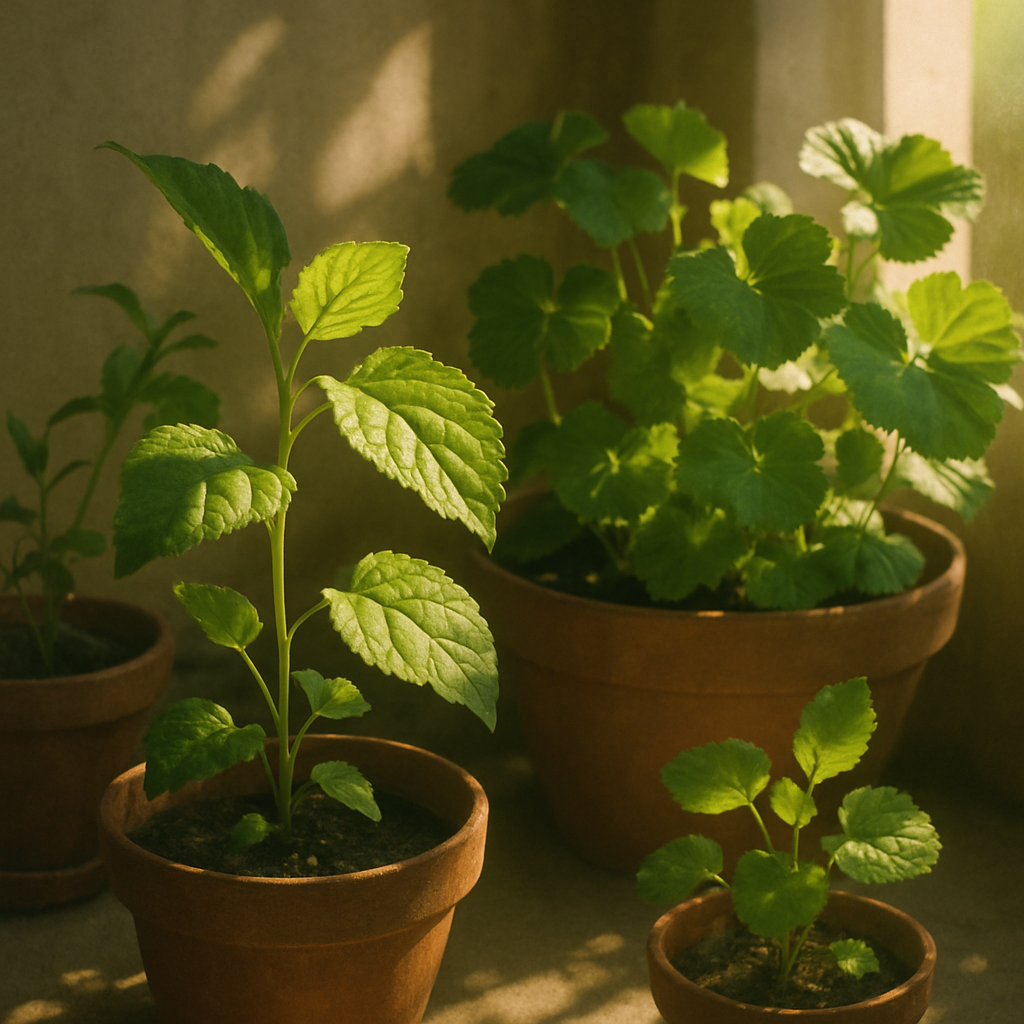
plants basking in sunlight

Window tinting can help regulate indoor temperatures by blocking excess heat. This can create a more stable environment for your plants, especially during extreme weather conditions. By reducing heat, window films can prevent overheating and dehydration in plants, particularly those near windows.

UV Protection

While UV rays can be harmful to furniture and skin, they are not essential for plant growth. Most plants use blue and red light from the visible spectrum for photosynthesis. Therefore, a window film that blocks UV rays but allows visible light to pass through won’t necessarily harm your plants.

Choosing the Right Window Film for Your Plants

To ensure your plants remain healthy while benefiting from window tinting, consider these factors when selecting a window film:

Light Requirements of Your Plants

Different plants have varying light needs. For example, succulents and cacti require bright, direct sunlight, while ferns and snake plants thrive in lower light conditions. Assess the light needs of your plants before choosing a window film. If your plants require high light, opt for a lighter tint that allows more visible light to pass through.

Window Orientation

The direction your windows face can influence the amount of light your plants receive. South-facing windows typically get the most sunlight, while north-facing windows receive the least. Consider your window orientation when selecting a film to ensure your plants get the right amount of light.

Type of Window Film

There are several types of window films available, each with different properties:

  • Solar Control Films: These films reduce heat and glare while allowing ample visible light to pass through. They’re ideal for maintaining a bright environment for plants.
  • Decorative Films: These offer privacy and aesthetic appeal but may vary in light transmission. Choose options that balance design and light needs.
  • Security Films: While primarily for protection, these films can also offer solar control benefits. Ensure they don’t excessively block light for your plants.

Tips for Keeping Plants Healthy with Window Tinting

To make the most of window tinting without sacrificing your plants’ health, follow these tips:

Monitor Plant Health

Keep an eye on your plants after installing window film. Look for signs of distress, such as yellowing leaves or stunted growth, which may indicate insufficient light. Adjust the positioning of your plants if necessary.

Supplement with Artificial Light

indoor plant lighting setup

by Caleb Cheung (https://unsplash.com/@cheungkarlok)

If your plants aren’t getting enough natural light, consider using artificial grow lights. These can provide the necessary light spectrum for photosynthesis and help your plants thrive despite reduced sunlight from tinted windows.

Rotate Plants Regularly

Rotate your plants periodically to ensure even light distribution. This helps all parts of the plant receive adequate light and prevents uneven growth.

Adjust Watering Schedule

Window tinting can alter the microclimate around your plants. Monitor the soil moisture and adjust your watering schedule as needed to prevent overwatering or underwatering.

The Benefits of Window Tinting for Plant Lovers

While it’s essential to ensure your plants receive adequate light, window tinting offers several benefits for plant lovers:

Energy Efficiency

Window films can significantly reduce energy costs by minimizing heat gain in the summer and heat loss in the winter. This creates a more comfortable environment for both you and your plants.

Protection from Harmful UV Rays

Window tinting protects your indoor environment from harmful UV rays, reducing the risk of sun damage to both your plants and furnishings.

Improved Aesthetics

Decorative window films can enhance the visual appeal of your space, complementing your interior design while providing privacy.

Conclusion

Window tinting and plants can coexist harmoniously with the right approach. By understanding your plants’ light needs and selecting an appropriate window film, you can enjoy the benefits of energy efficiency and UV protection without sacrificing your greenery. With a bit of planning, you can create a beautiful, plant-friendly environment that enhances your living space.

Remember, each plant is unique, and their needs may vary. Be attentive to their health and make adjustments as needed. By doing so, you can enjoy the best of both worlds – a stylish, energy-efficient home and thriving houseplants.

Categories
Window Films & Tints

Common Questions About 25 Vlt Window Tint

In the realm of home improvement, window tinting has become a popular choice for homeowners seeking to enhance both the aesthetics and functionality of their living spaces. Among the various options available, the 25 VLT (Visible Light Transmission) window tint stands out as a versatile solution. If you’re considering window film for your home, you probably have a few questions. This article aims to address some of the most common inquiries about 25 VLT window tint and how it can benefit your home.

Visible Light Transmission (VLT) refers to the amount of visible light that passes through a window film. According to the U.S. Department of Energy, window films can significantly improve energy efficiency by reducing heat gain. A 25 VLT window tint allows 25% of visible light to penetrate, meaning it blocks 75% of the light. This level of tinting provides a balance between maintaining privacy and allowing natural light to enter your home.

Benefits of 25 VLT Window Tint

  1. Privacy Enhancement: With 25% light transmission, this tint offers a good level of privacy without completely darkening your space. It’s an excellent choice for rooms where you want to maintain outside views while ensuring indoor privacy.
  2. Energy Efficiency: By reducing the amount of sunlight entering your home, 25 VLT window tint helps lower cooling costs. It minimizes heat gain in summer, leading to reduced air conditioning usage and energy savings.
  3. Glare Reduction: This tint level effectively cuts down on glare from the sun, making it more comfortable to watch TV or use electronic devices without straining your eyes.
  4. UV Protection: A significant advantage of window film is its ability to block harmful UV rays. The U.S. Environmental Protection Agency explains that UV exposure can damage materials and contribute to fading, and Health Canada also outlines key UV risks and safety considerations. The 25 VLT tint protects your furnishings, flooring, and interior decor from fading due to sun exposure.

Is 25 VLT Suitable for All Windows?

While 25 VLT window tint is versatile, it’s essential to consider the specific requirements of each room. For instance, bedrooms and bathrooms might benefit from a darker tint for enhanced privacy, while living rooms and kitchens can enjoy the natural light with 25 VLT.

Considerations for Different Room Types

  • Living Rooms: Perfect for balancing natural light with privacy, the 25 VLT tint is ideal for living areas where you spend most of your day.
  • Bedrooms: Depending on your preference for natural light in the morning, you may opt for a darker tint. However, 25 VLT still provides a comfortable balance of light and privacy.
  • Bathrooms: Privacy is crucial in bathrooms. Consider using a combination of window treatments for optimal privacy and style.

How Does 25 VLT Window Tint Affect Interior Design?

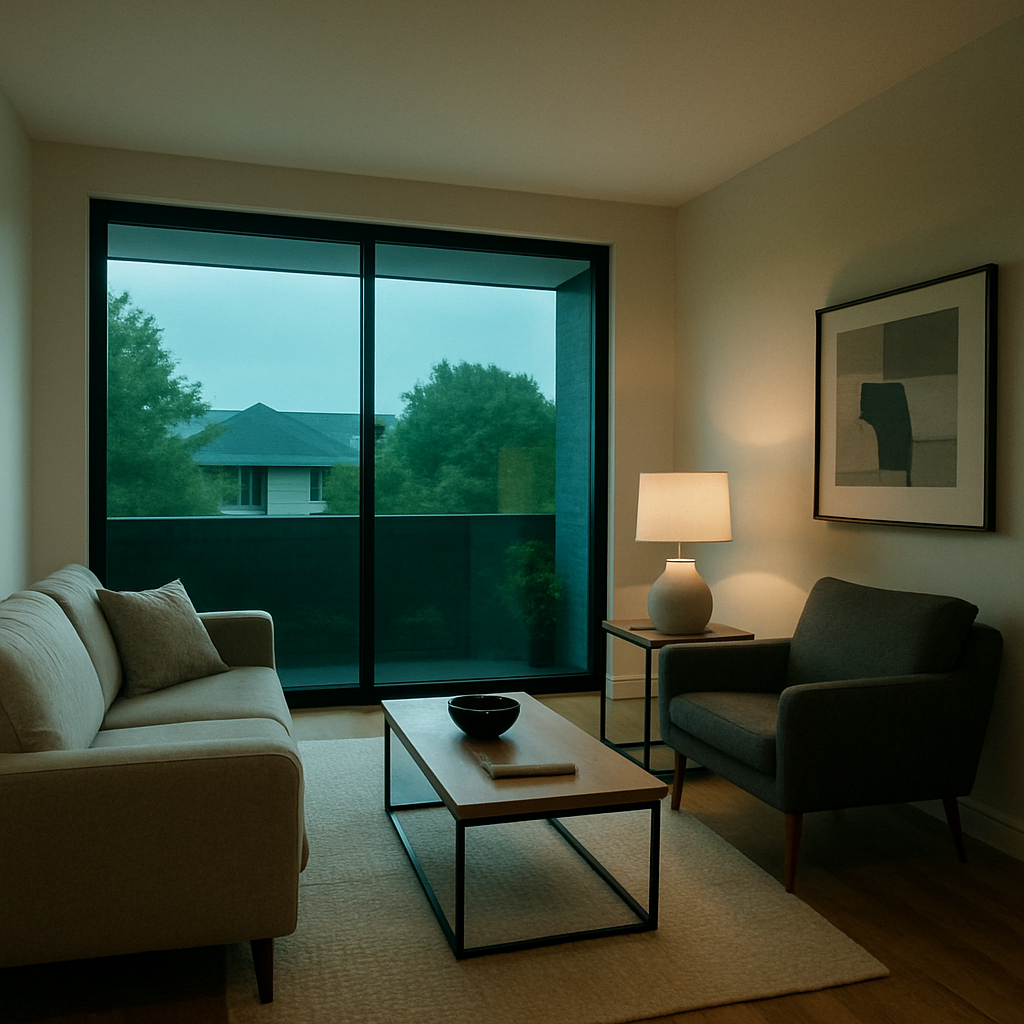
Modern living room with window tint

For interior designers, window tinting offers an opportunity to enhance the aesthetics of a space while solving practical challenges. The subtle yet effective nature of 25 VLT tint complements various design styles, from modern to traditional.

Aesthetic Appeal

  • Color Consistency: The neutral tone of 25 VLT tint blends seamlessly with different color palettes, ensuring that your design intentions remain undisturbed.
  • Sleek Finish: Tinted windows provide a sleek, polished look to both the interior and exterior of a home, adding to the overall appeal.
  • Versatility: Whether your design focuses on bold statements or understated elegance, 25 VLT tint adapts to various themes without overpowering the space.

Can 25 VLT Window Tint Be Installed on All Window Types?

Most residential windows can accommodate 25 VLT window tint, but it’s essential to consult with a professional installer to ensure compatibility with your specific window type and material.

Professional Installation

Engaging a skilled installer guarantees that the window film is applied correctly, free of bubbles or imperfections, and in a manner that maximizes its lifespan. Additionally, professionals can provide insights on the best tint options based on window orientation and the specific needs of each room.

What Maintenance is Required for 25 VLT Window Tint?

Cleaning tinted windows

by Anna Barabanova (https://unsplash.com/@annabarabanova)

One of the advantages of window film is its low maintenance. However, to keep your 25 VLT tint in optimal condition, consider these simple care tips:

Cleaning Tips

  1. Use Soft Cloths: Clean the film with a soft, non-abrasive cloth to prevent scratches.
  2. Mild Cleaning Solutions: Opt for a mild soap solution or a cleaner specifically designed for window film.
  3. Avoid Harsh Chemicals: Steer clear of ammonia-based cleaners as they can damage the film over time.
  4. Regular Dusting: Regularly dust the windows to maintain clarity and appearance.

How Does 25 VLT Window Tint Contribute to Energy Efficiency?

Window tinting is an effective way to improve energy efficiency in your home. By reducing heat gain, 25 VLT window tint helps maintain a consistent indoor temperature, thereby reducing the need for air conditioning during hot months. This not only lowers energy bills but also contributes to a more sustainable living environment.

Environmental Impact

  • Carbon Footprint Reduction: By using less energy for cooling, you reduce your home’s carbon footprint.
  • Long-Term Savings: While the initial investment in window tinting can be significant, the long-term savings on energy bills make it a cost-effective solution. For more ways to improve comfort and reduce heat loss around windows, see Natural Resources Canada’s guidance on upgrading windows and exterior doors.

Conclusion

Incorporating 25 VLT window tint into your home improvement plans offers numerous benefits, from enhancing privacy and reducing energy costs to complementing interior design. By understanding its advantages and maintenance requirements, you can make an informed decision that aligns with your home’s needs and your personal preferences.

Whether you are an interior designer seeking stylish solutions or a homeowner looking to improve energy efficiency, 25 VLT window tint provides an effective and aesthetically pleasing option to elevate your living space.