# Pros and Cons of Security Film For Windows
When it comes to enhancing the safety and security of your home, one often overlooked solution is the application of security film for windows. This innovative product not only boosts the security of your windows but also offers a range of other benefits. However, like any home improvement solution, it comes with its own set of pros and cons. In this article, we’ll explore the advantages and disadvantages of security window film to help you make an informed decision.
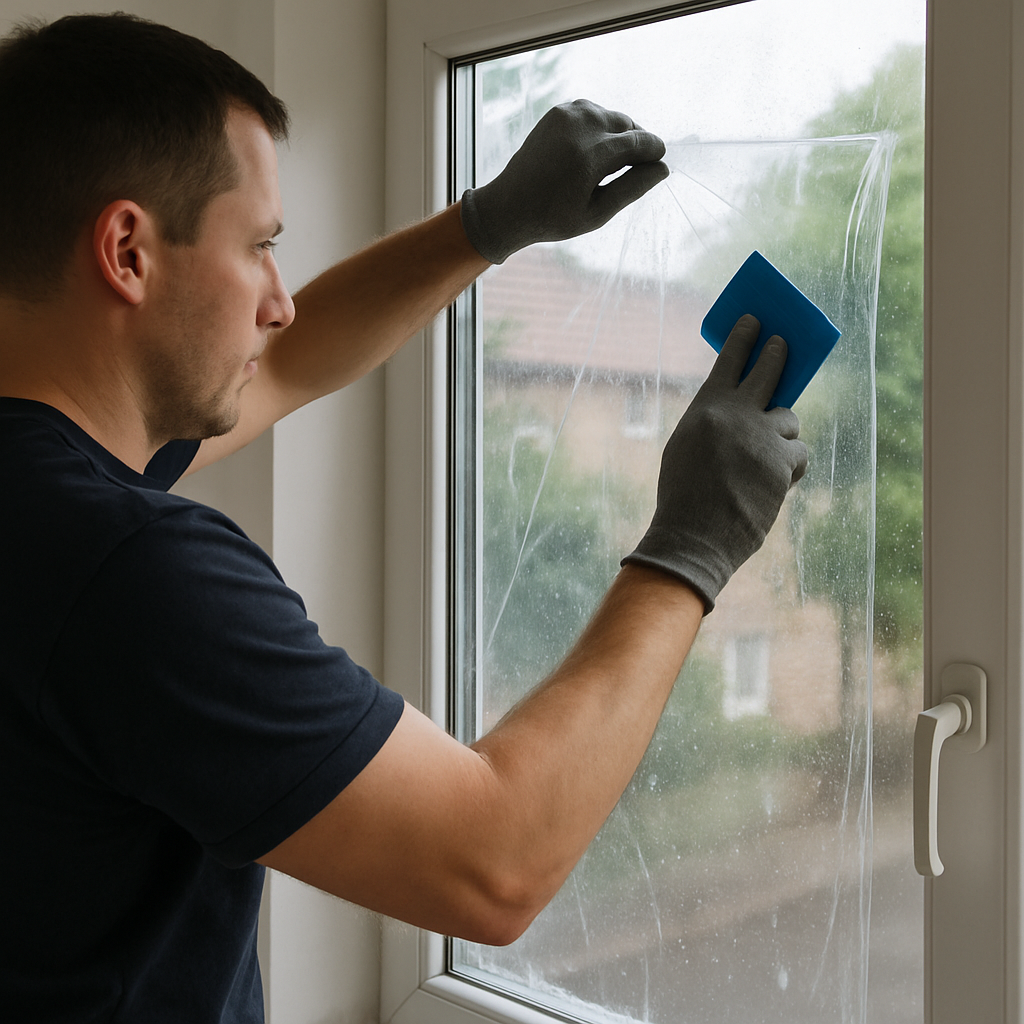
Security film for windows is a thin, transparent sheet applied to the interior side of glass surfaces. It’s designed to hold the glass together in case it shatters, reducing the risk of injury from flying glass shards. Security window film is typically made from polyester or a similar material and is available in various thicknesses to suit different security needs. According to the Cybersecurity & Infrastructure Security Agency (CISA), reinforcing vulnerable entry points like windows is an important part of improving overall building security.
The Pros of Security Film for Windows
Let’s delve into the advantages of using security film for your windows.
Enhanced Security
One of the primary benefits of security window film is its ability to deter break-ins. By holding the glass together, the film makes it more difficult for intruders to gain quick access to your home. This added layer of security can be a crucial deterrent, as it increases the time and effort required to break in, often causing potential burglars to abandon their attempts.
Safety from Shattered Glass
In the event of an accident or natural disaster, such as a storm or earthquake, security film helps keep broken glass intact. This reduces the risk of injury from flying glass shards, making your home a safer place for you and your family. The Federal Emergency Management Agency (FEMA) also highlights the importance of mitigating hazards from broken glass during severe weather events.
UV Protection
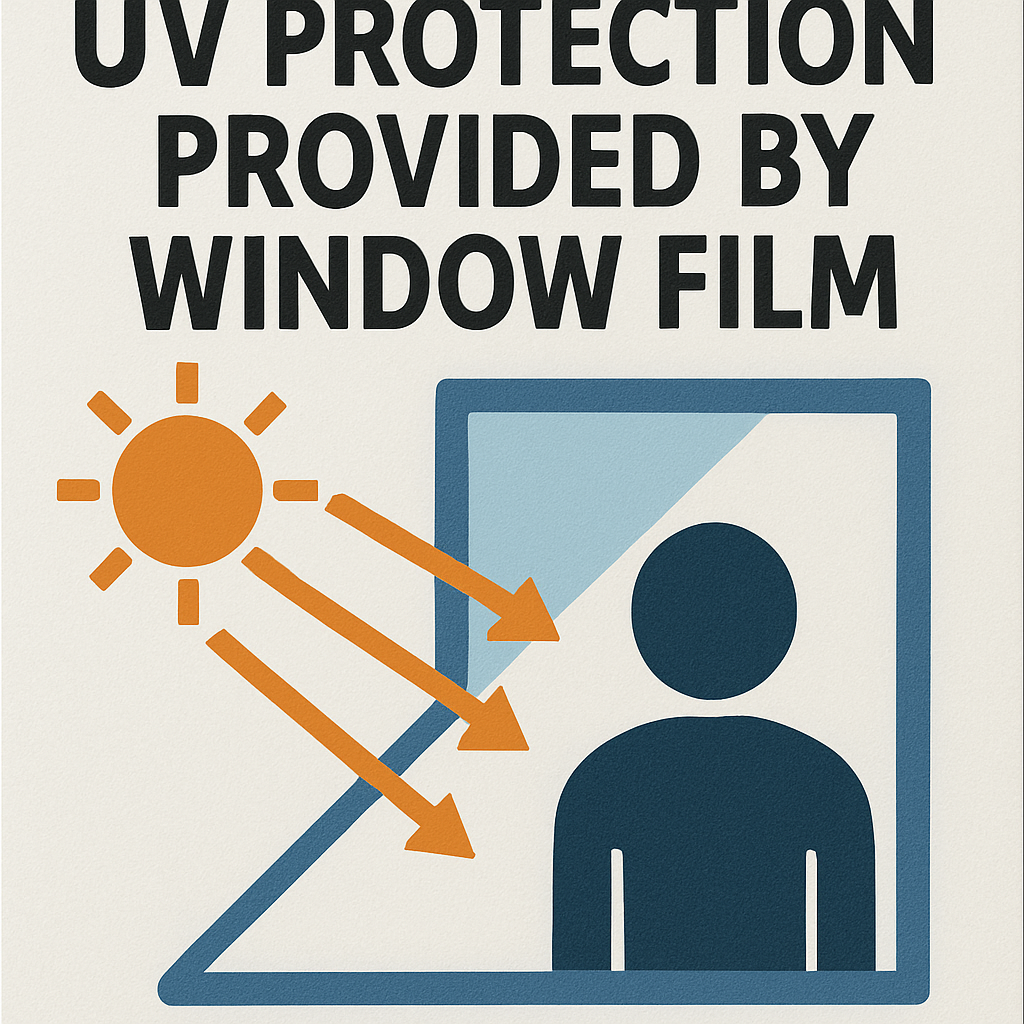
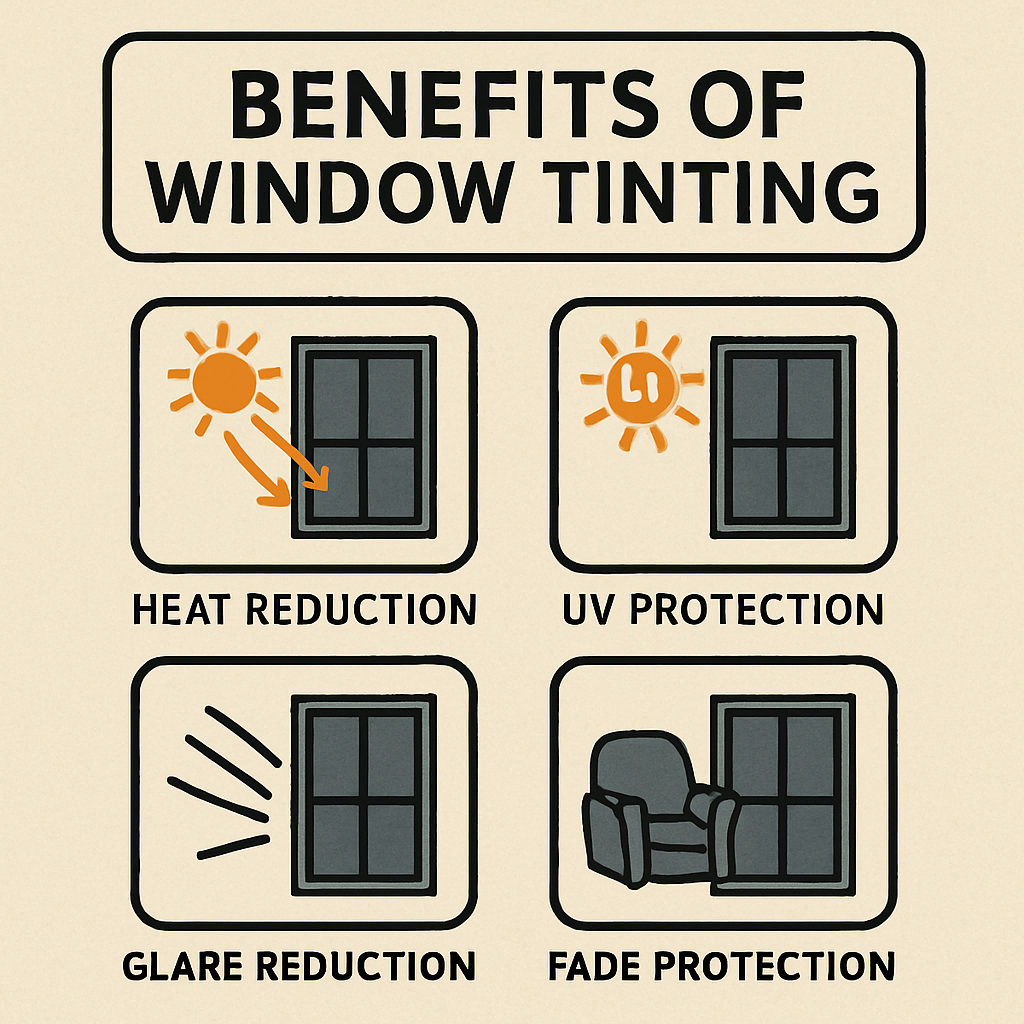
Security film for windows also offers protection against harmful ultraviolet (UV) rays. Prolonged exposure to UV rays can lead to fading of furniture, curtains, and flooring. By blocking up to 99% of UV rays, security window film helps preserve the interior of your home and prolong the life of your furnishings.
Energy Efficiency
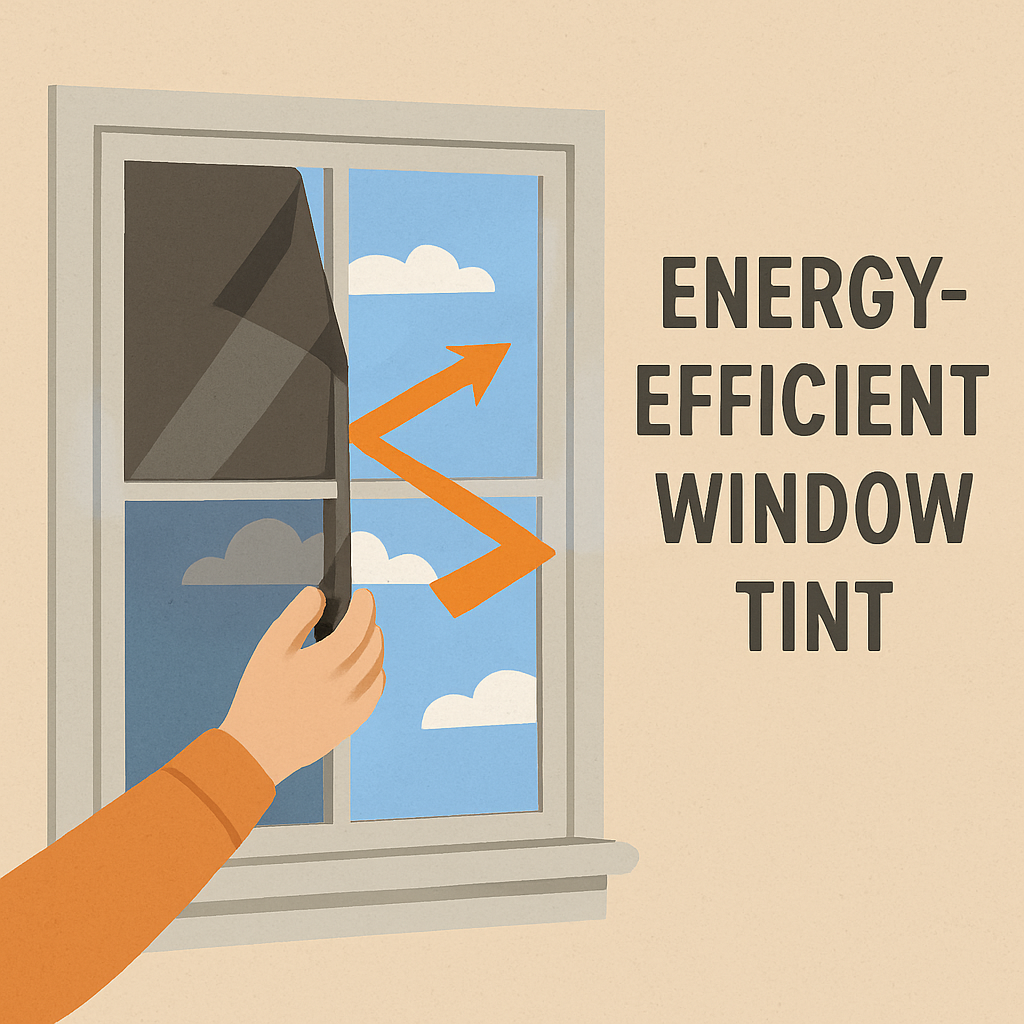
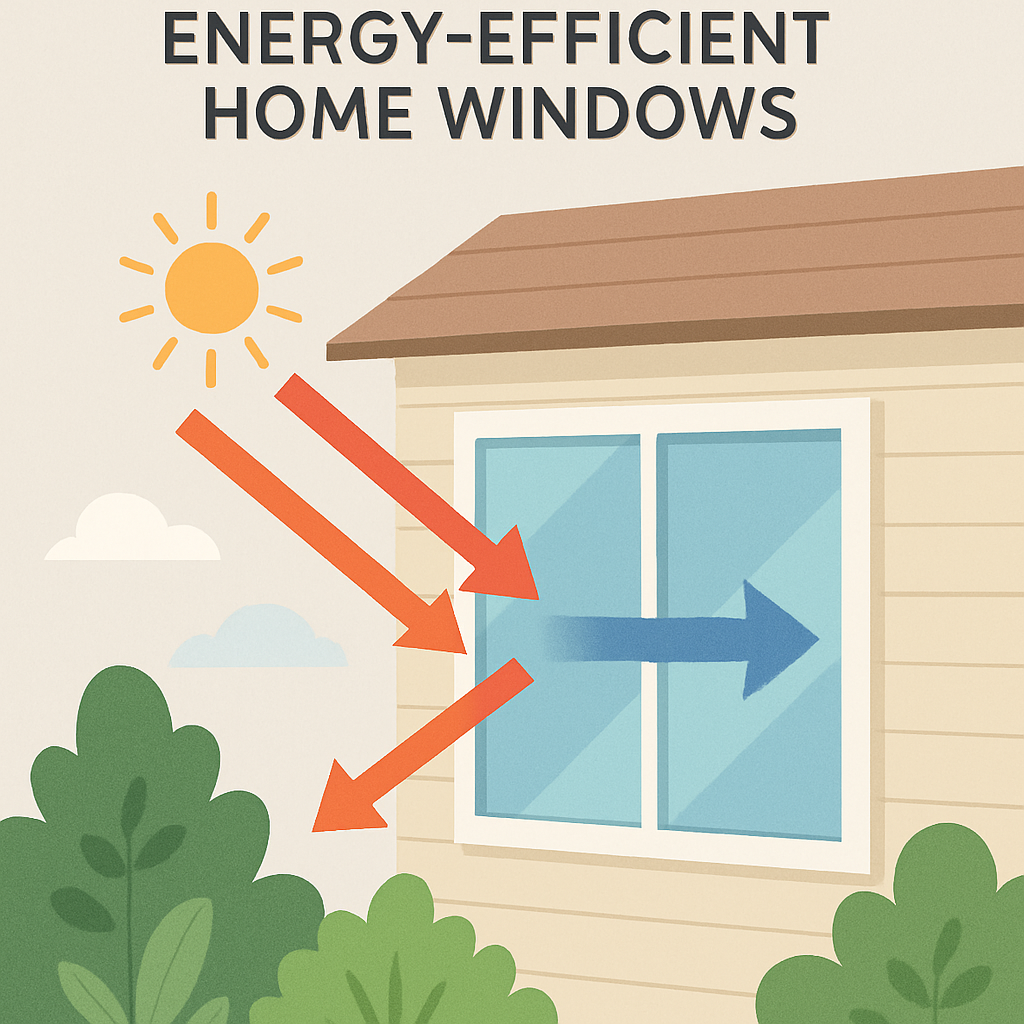
Some types of security film can also improve your home’s energy efficiency. By reflecting heat during the summer and retaining warmth in the winter, these films can help regulate the temperature inside your home. This can lead to reduced energy bills and a more comfortable living environment.
Glare Reduction
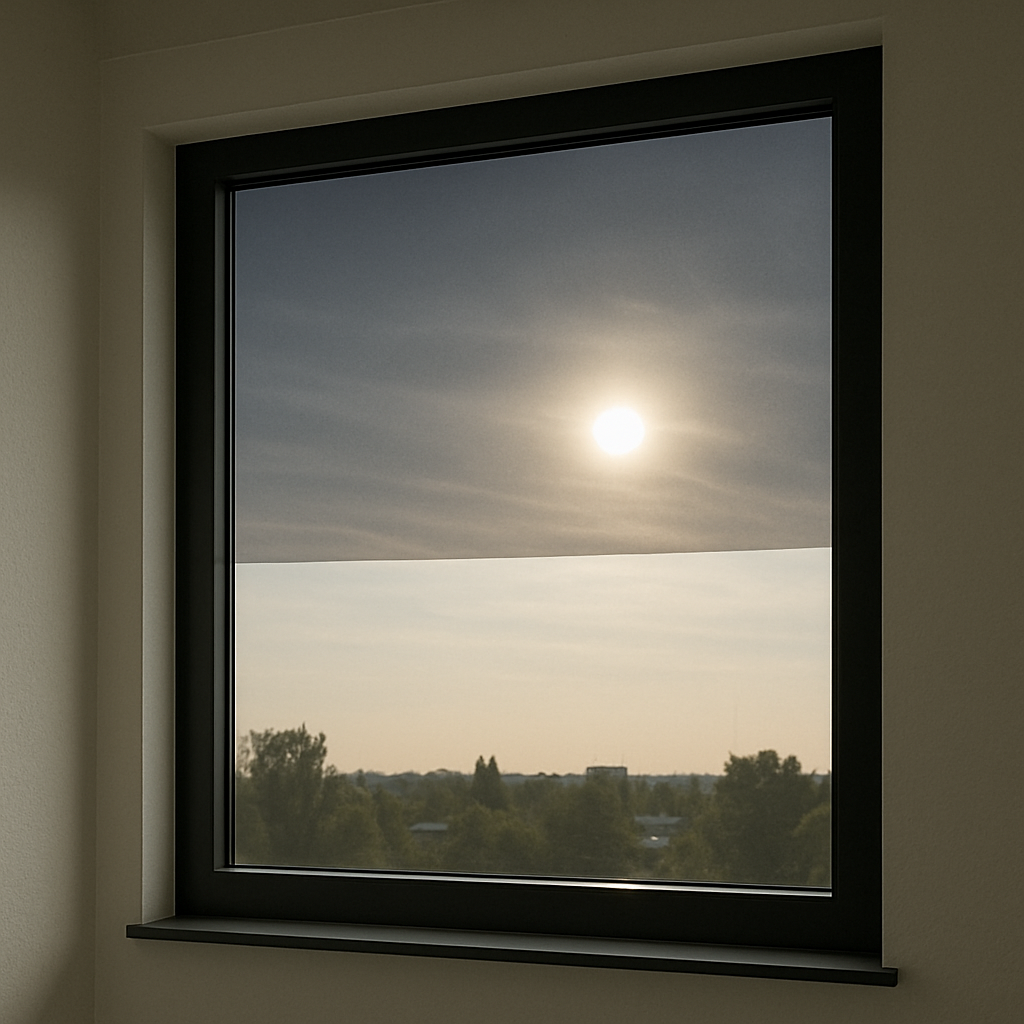
Security film can also minimize glare from the sun, making it easier to work on a computer or watch TV without the distraction of harsh sunlight. This is particularly beneficial in rooms with large windows or those that receive a lot of direct sunlight.
The Cons of Security Film for Windows
While security film offers numerous benefits, there are also some drawbacks to consider.
Limited Security Against Force
Although security film makes it more difficult to break through a window, it is not entirely foolproof. Determined intruders can still gain access with enough force or time. Therefore, it should be used in conjunction with other security measures for optimal protection.
Installation Costs

by Tavy (https://unsplash.com/@tavy)
The cost of purchasing and installing security film can be a concern for some homeowners. While it is generally more affordable than replacing windows with laminated or tempered glass, professional installation is often recommended to ensure optimal performance. This can add to the overall expense.
Potential for Discoloration
Over time, some lower-quality films may discolor or become less effective due to prolonged exposure to sunlight. It’s important to choose a high-quality film and have it installed by professionals to minimize this risk.
Reduced Visibility
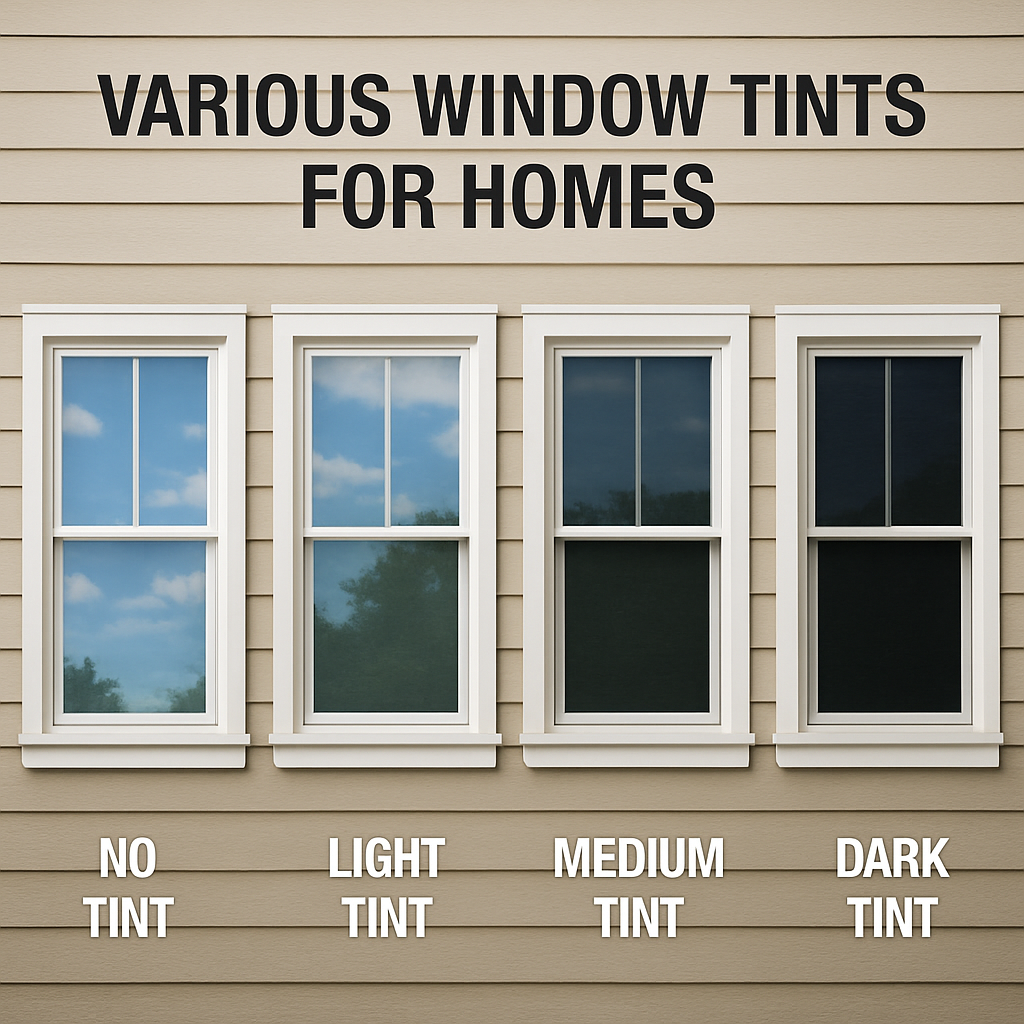
While most security films are designed to be transparent, some can slightly reduce the visibility through your windows. This may not be ideal if you value an unobstructed view. However, there are options available that balance security with clarity, so it’s worth exploring different products to find the right fit for your needs.
How to Choose the Right Security Film
When selecting security film for your windows, consider the following factors:
Thickness and Strength
Security films come in various thicknesses, typically ranging from 4 to 15 mils. Thicker films offer more protection but may be more expensive. Assess your security needs and budget to determine the appropriate thickness for your home.
UV and Heat Rejection
If UV protection and energy efficiency are important to you, look for films that offer high levels of UV and heat rejection. These films can help lower your energy bills and protect your home’s interior from sun damage.
Professional Installation
Consider hiring a professional to install your security film. Proper installation is crucial for the film to perform effectively, and professionals can ensure a seamless application without bubbles or creases.
Warranty
Check if the security film comes with a warranty. A good warranty can provide peace of mind and protect your investment in case of defects or premature wear.
Conclusion
Security film for windows is a versatile and effective solution for enhancing the safety, security, and energy efficiency of your home. While it has its drawbacks, the benefits often outweigh the cons, making it a worthwhile investment for many homeowners. By understanding the pros and cons of security window film, you can make an informed decision and choose the right solution to meet your needs.
Whether you’re looking to improve your home’s security or simply want to protect your furniture from fading, security film offers a practical and cost-effective option. Consider your specific requirements, and consult with a professional to ensure you select and install the best film for your windows.