# Choosing the Right Tint Shade for Home Privacy
In today’s world, maintaining privacy in your home is more important than ever. One effective and stylish solution is using window tint film. But with so many options available, how do you choose the right tint shade for your home? In this guide, we’ll walk you through the key considerations to help you make an informed decision.
by Declan Sun (https://unsplash.com/@declansun)
Window tint film comes in a variety of shades, each offering different levels of privacy, light control, and aesthetic appeal. Whether you’re looking to enhance the privacy of your living room or add a decorative touch to your kitchen windows, understanding the different types of tint shades is crucial.
What Are Window Tint Shades?
Window tint shades refer to the darkness or opacity of the film applied to your windows. They range from very light, which allows more light to pass through, to very dark, which offers maximum privacy and reduces glare.
Types of Window Tint Shades
- Light Tint Shades: These are ideal for rooms where you want to maintain natural light while adding a subtle layer of privacy. They are perfect for kitchens and living rooms where visibility is still desired.
- Medium Tint Shades: Offering a balance between light control and privacy, medium shades are great for home offices or bathrooms where a moderate level of privacy is needed.
- Dark Tint Shades: Providing maximum privacy, dark shades are suitable for bedrooms and other private areas of your home. They also offer excellent glare reduction and UV protection.
Benefits of Privacy Window Film

by Jørgen Larsen (https://unsplash.com/@px7digital)
When it comes to enhancing home privacy, window tint film offers several benefits beyond just blocking prying eyes.
Enhanced Privacy
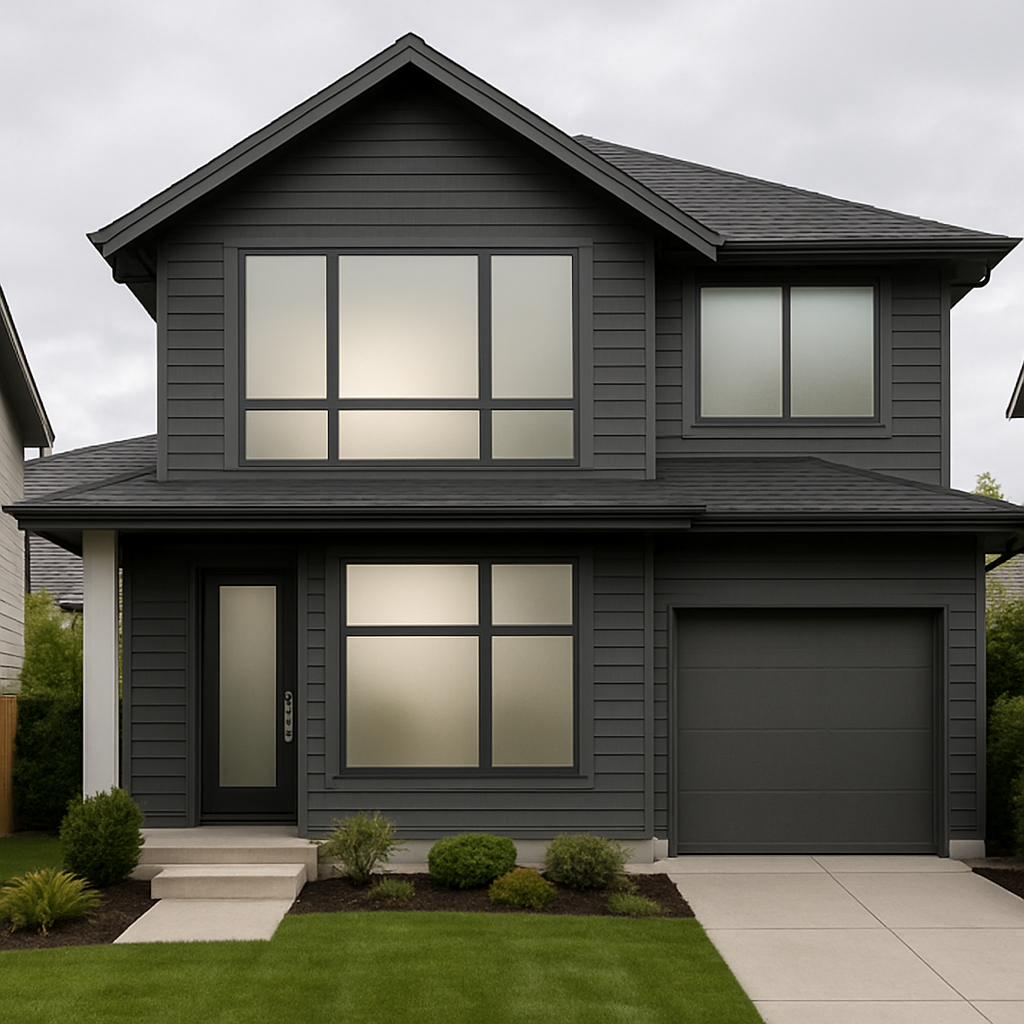
The primary reason homeowners choose window tint is for privacy. Whether you’re in a bustling neighborhood or simply want to keep your interiors away from prying eyes, window tint can provide the seclusion you need without compromising on style.
Energy Efficiency
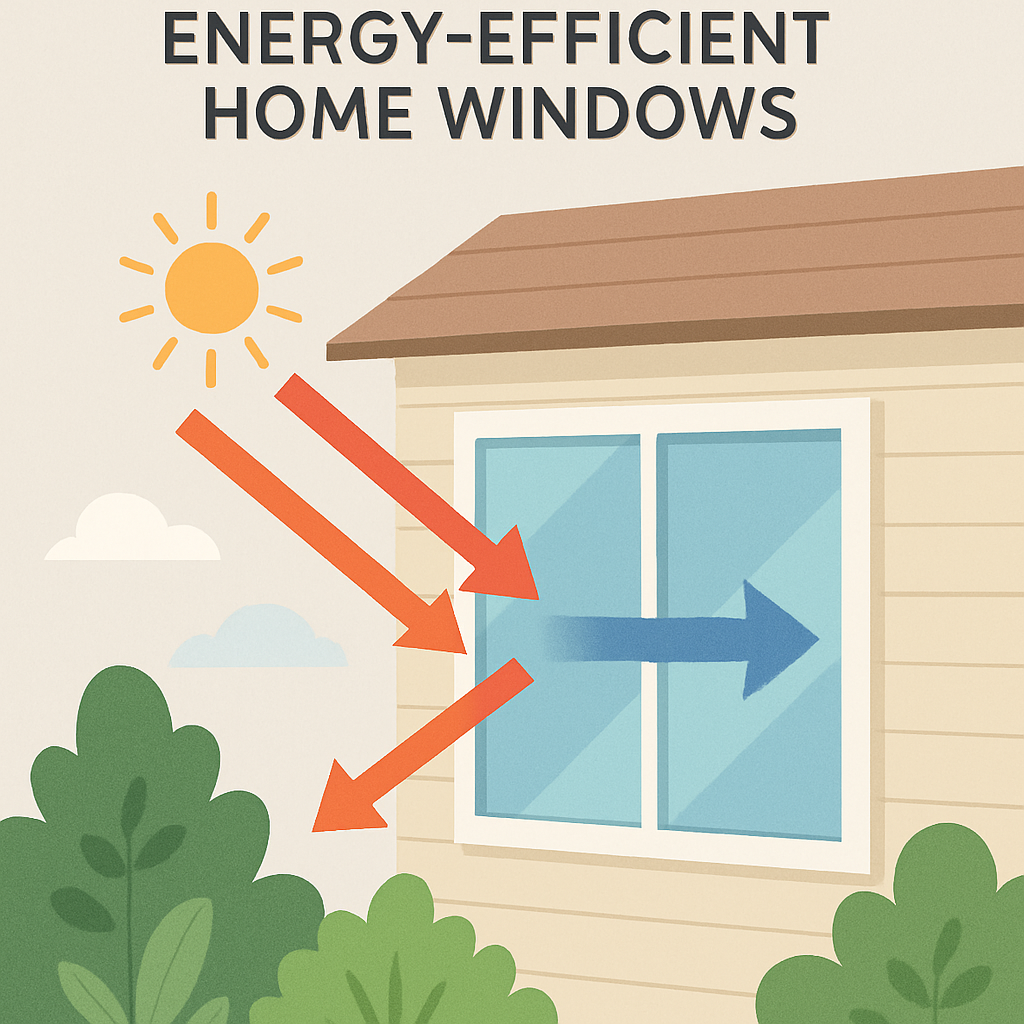
Window tint film also contributes to energy efficiency. By reducing heat gain during summer and heat loss during winter, it helps in lowering your energy bills. This is particularly beneficial for homeowners looking to make their homes more eco-friendly. According to the U.S. Department of Energy, window films can significantly improve insulation performance and reduce energy costs.
UV Protection
Harmful UV rays can cause damage to your furniture and flooring over time. Window tint acts as a barrier, blocking up to 99% of UV rays and protecting your interiors from fading and deterioration. The Environmental Protection Agency also highlights the importance of limiting UV exposure to protect both materials and skin.
Glare Reduction
Too much sunlight can create uncomfortable glare, especially on screens and reflective surfaces. Window tint helps in reducing glare, providing a more comfortable living environment.
Decorative Window Tint Options
If you’re looking to add a touch of style to your home, decorative window tints offer an array of patterns, colors, and designs that can enhance your home’s interior.
Frosted and Etched Designs
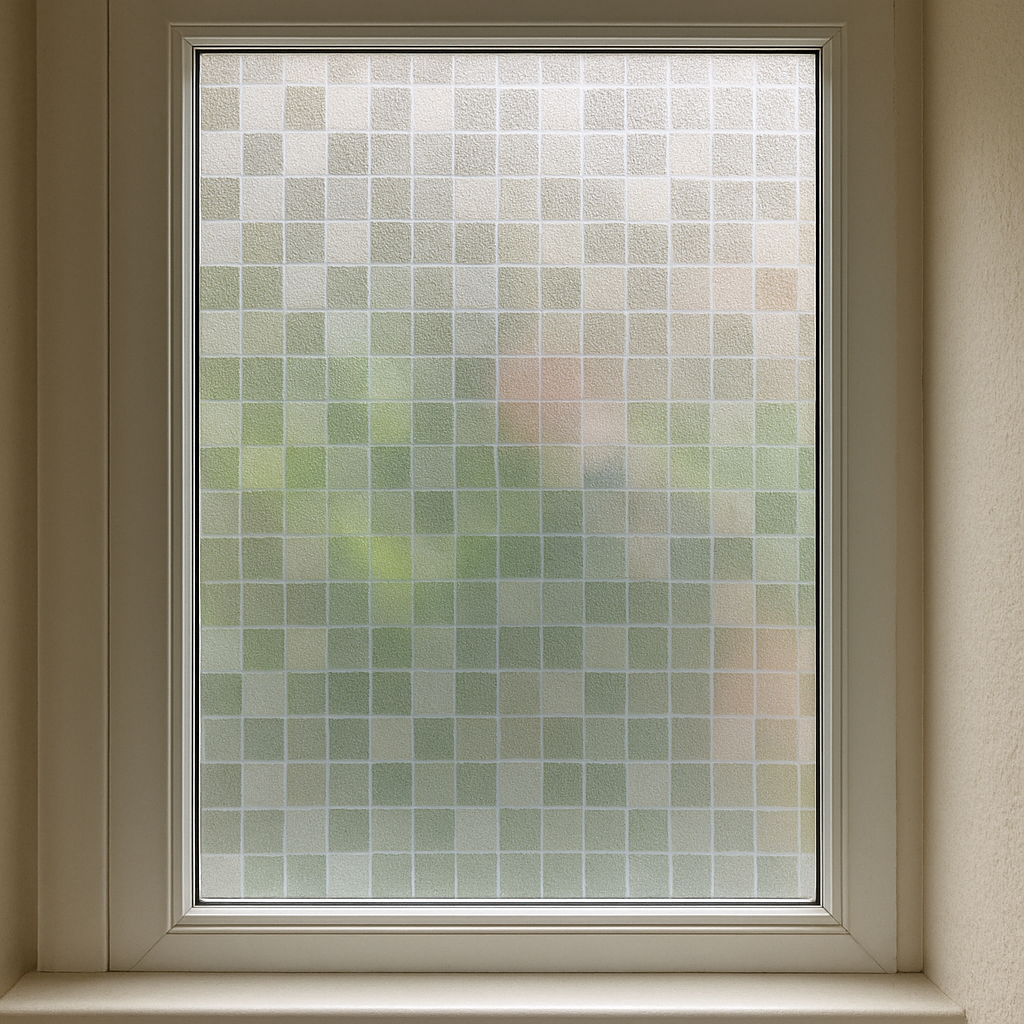
Frosted and etched designs provide privacy while allowing natural light to filter through. These are ideal for bathrooms and entryways where both privacy and aesthetics are desired.
Colored Tints
Colored tints can add a vibrant touch to your space. Whether you want a subtle blue hue or a bold red accent, colored tints can complement your interior design and make a statement.
Patterned Films
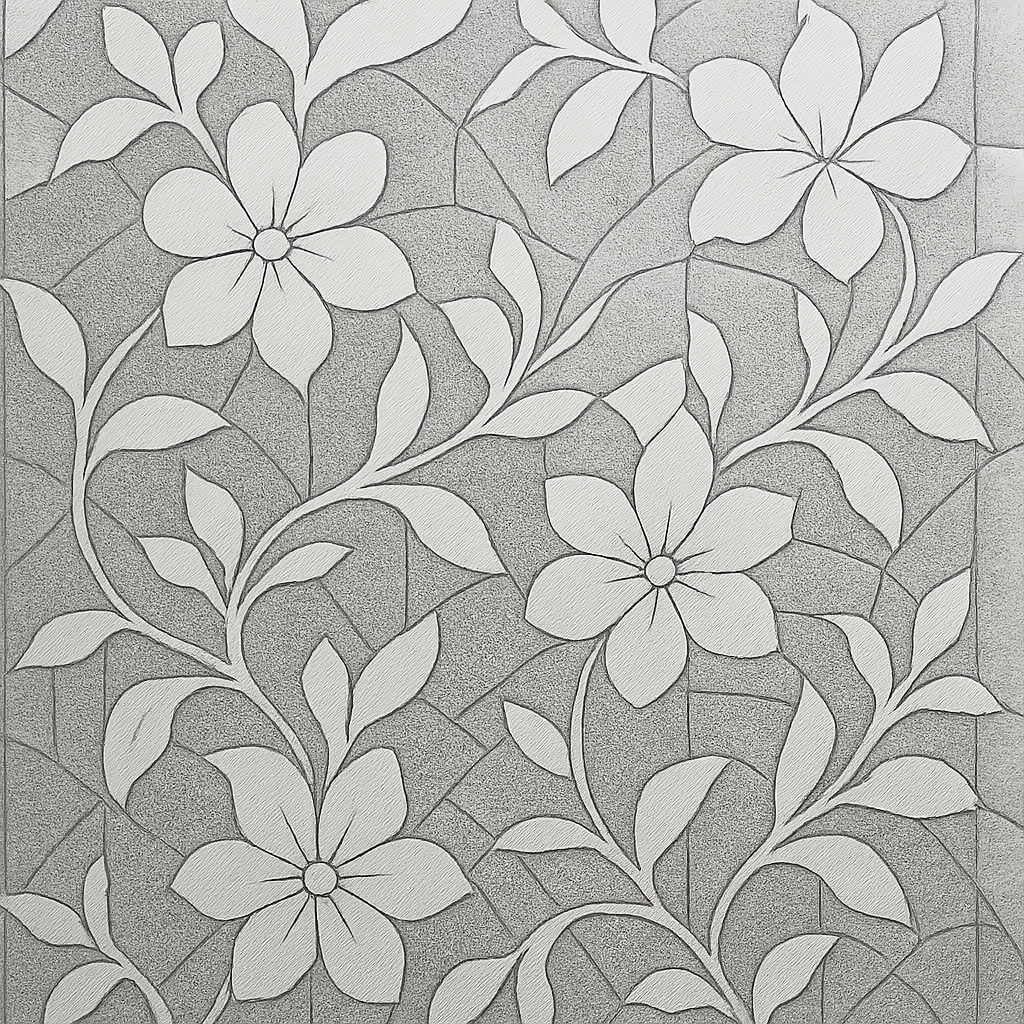
For a unique look, consider patterned films. From geometric shapes to floral designs, patterned films can transform your windows into works of art.
Choosing the Right Tint for Your Needs

by eddy mulia (https://unsplash.com/@eddymulia)
When selecting a window tint shade, consider the following factors to ensure you pick the right option for your home.
Purpose and Functionality
Determine the primary reason for tinting your windows. Is it for privacy, energy efficiency, UV protection, or decoration? Your purpose will guide you in choosing the appropriate shade and type of film.
Room and Lighting Considerations
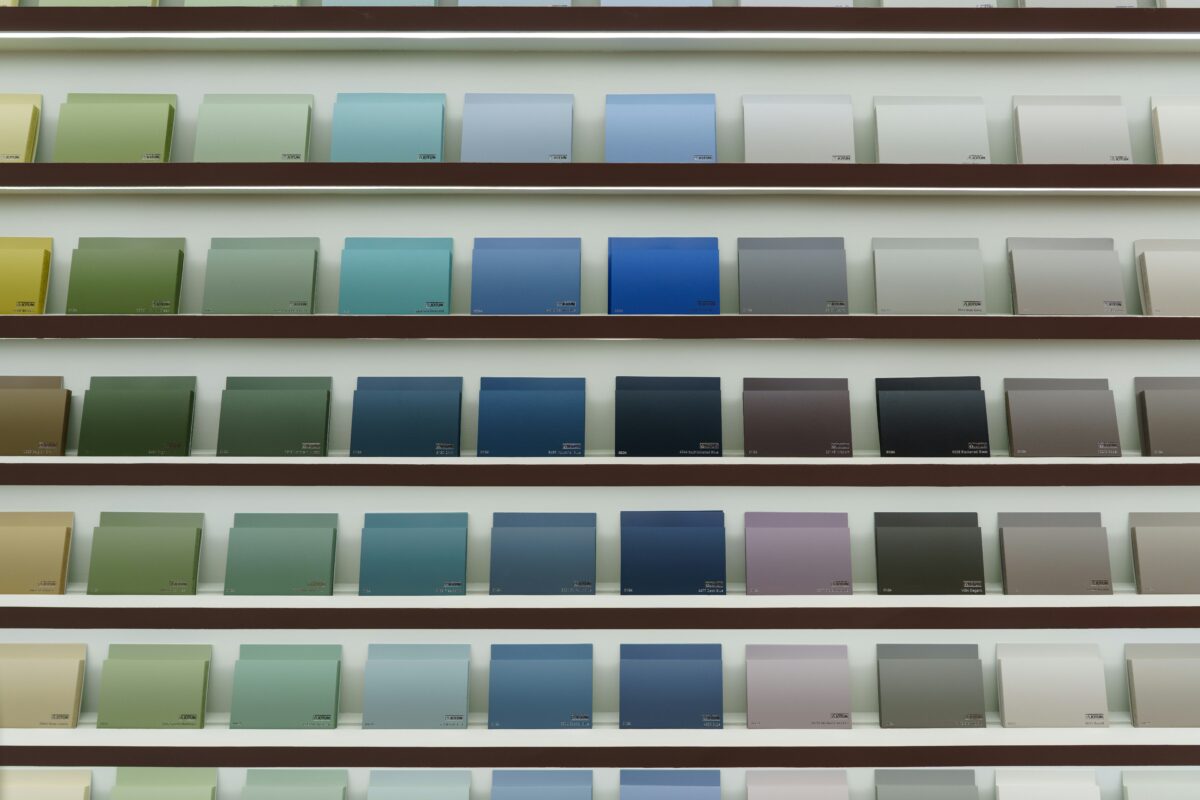
Consider the room where the tint will be applied. Rooms with ample natural light may require lighter tints, while rooms needing more privacy or glare reduction may benefit from darker shades.
Aesthetic Preferences
Your personal style and the overall aesthetic of your home should influence your choice. Choose a tint that complements your interior design and enhances your home’s appeal.
Budget
Window tinting is an investment, but it’s important to consider your budget. Different types of tints and installation services vary in cost, so choose an option that aligns with your financial plan.
Installation and Maintenance
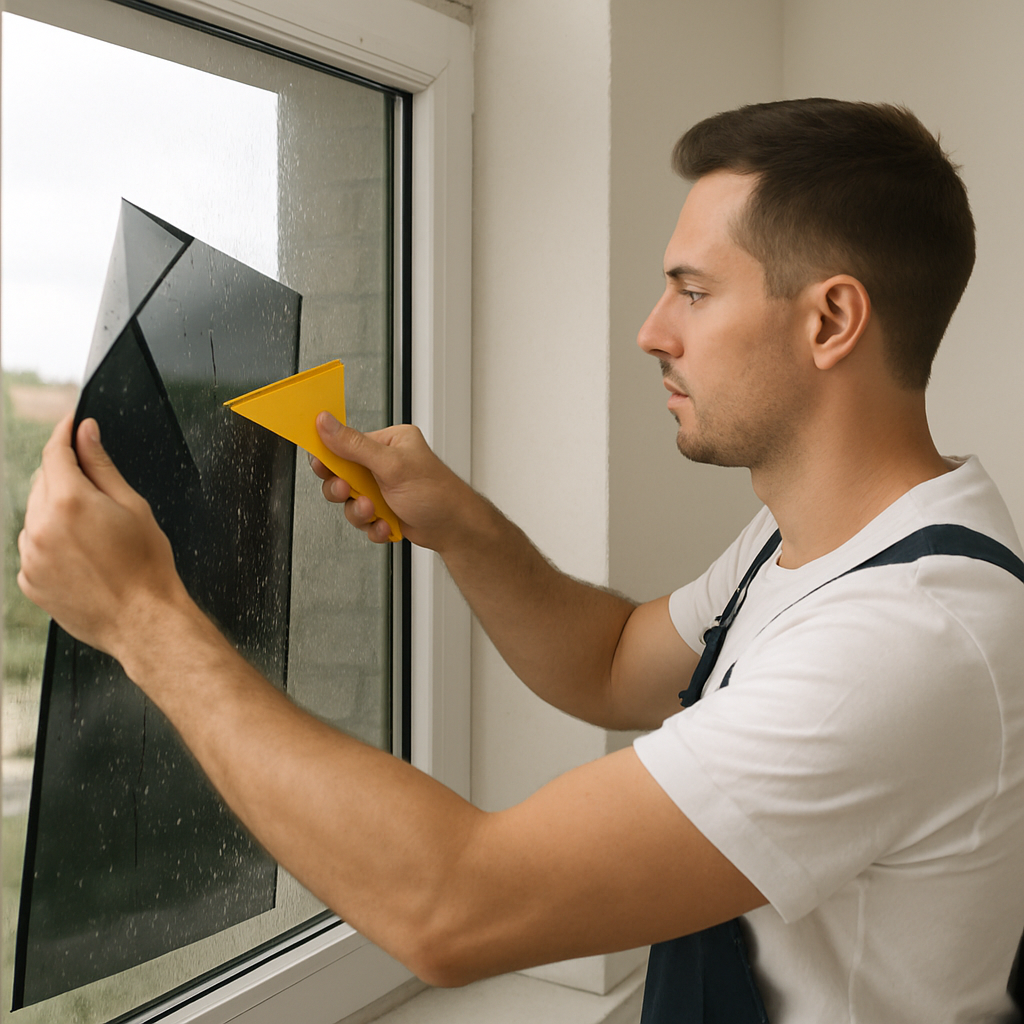
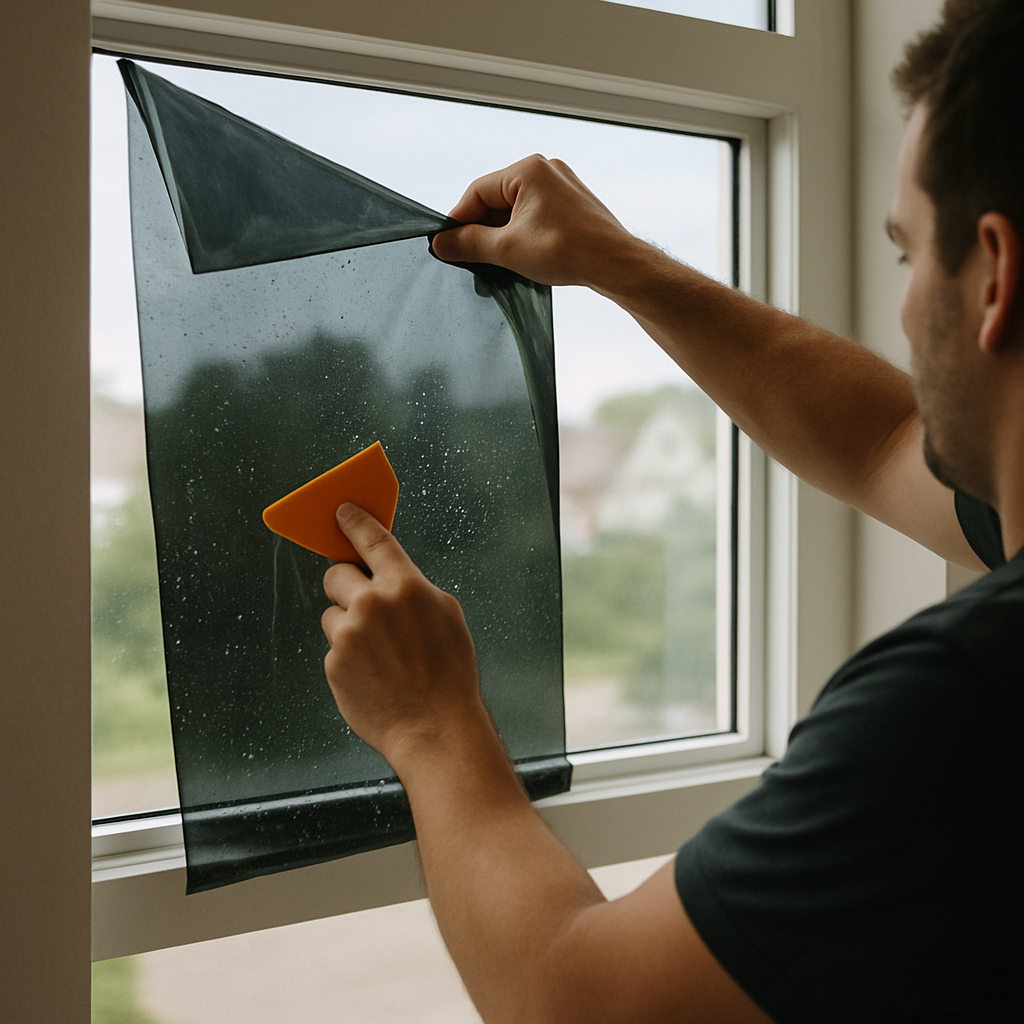
Once you’ve chosen the right tint shade, professional installation is recommended to ensure a flawless finish. Proper maintenance is also key to prolonging the life of your window tint.
Professional Installation
Hiring a professional ensures that the tint is applied smoothly and without bubbles. They have the expertise to handle different types of films and can offer valuable advice on maintenance.
Maintenance Tips
To maintain your window tint, clean it regularly with a soft cloth and a mild, non-abrasive cleaner. Avoid harsh chemicals and abrasive materials that can scratch or damage the film.
Conclusion
Choosing the right tint shade for home privacy is a decision that involves considering various factors, from privacy needs and energy efficiency to aesthetic preferences and budget. By understanding the different types of tint shades and their benefits, you can make an informed choice that enhances both the functionality and beauty of your home.
Whether you’re an interior designer seeking cost-effective solutions for clients or a homeowner looking to enhance your living space, window tinting offers a stylish and practical solution. With the right shade, you can achieve the perfect balance of privacy, comfort, and design.