# Common Questions About Heat Blocking Window Film
As an interior designer, you’re always on the lookout for innovative solutions that not only enhance the aesthetic appeal of a space but also improve its functionality. Heat blocking window film is one such solution that offers the perfect blend of style and practicality. This article addresses common questions about heat blocking window film, helping you understand its benefits of window films, applications, and installation process.
Heat blocking window film is a thin layer of polyester or similar material that is applied to the surface of windows. It is designed to reflect and absorb the sun’s heat, thereby reducing the amount of heat that enters a building. This film can significantly improve the energy efficiency of a home by reducing the reliance on air conditioning during hot summer months. According to the U.S. Department of Energy, window films can help reduce heat gain and improve indoor comfort.
How Does Heat Blocking Window Film Work?
The film works by reflecting a portion of the sun’s rays away from the window, while absorbing the heat that does make it through. This dual action helps to keep indoor temperatures cooler and more consistent. Additionally, some films are coated with a low-emissivity layer that minimizes heat loss through the windows in colder months, providing year-round benefits.
What Are the Benefits of Using Heat Blocking Window Film?
Energy Efficiency
One of the primary benefits of heat blocking window film is its ability to improve energy efficiency. By reducing the amount of heat that enters or escapes a building, this film can help lower energy bills and reduce carbon footprints. This is especially beneficial for clients who are environmentally conscious and looking to adopt more sustainable practices. The National Renewable Energy Laboratory highlights window technologies as a key factor in building energy performance.
Enhanced Comfort
By minimizing heat gain and loss, heat blocking window film can help maintain a more consistent indoor temperature. This creates a more comfortable living environment for your clients, reducing the need for constant adjustments to heating and cooling systems.
UV Protection
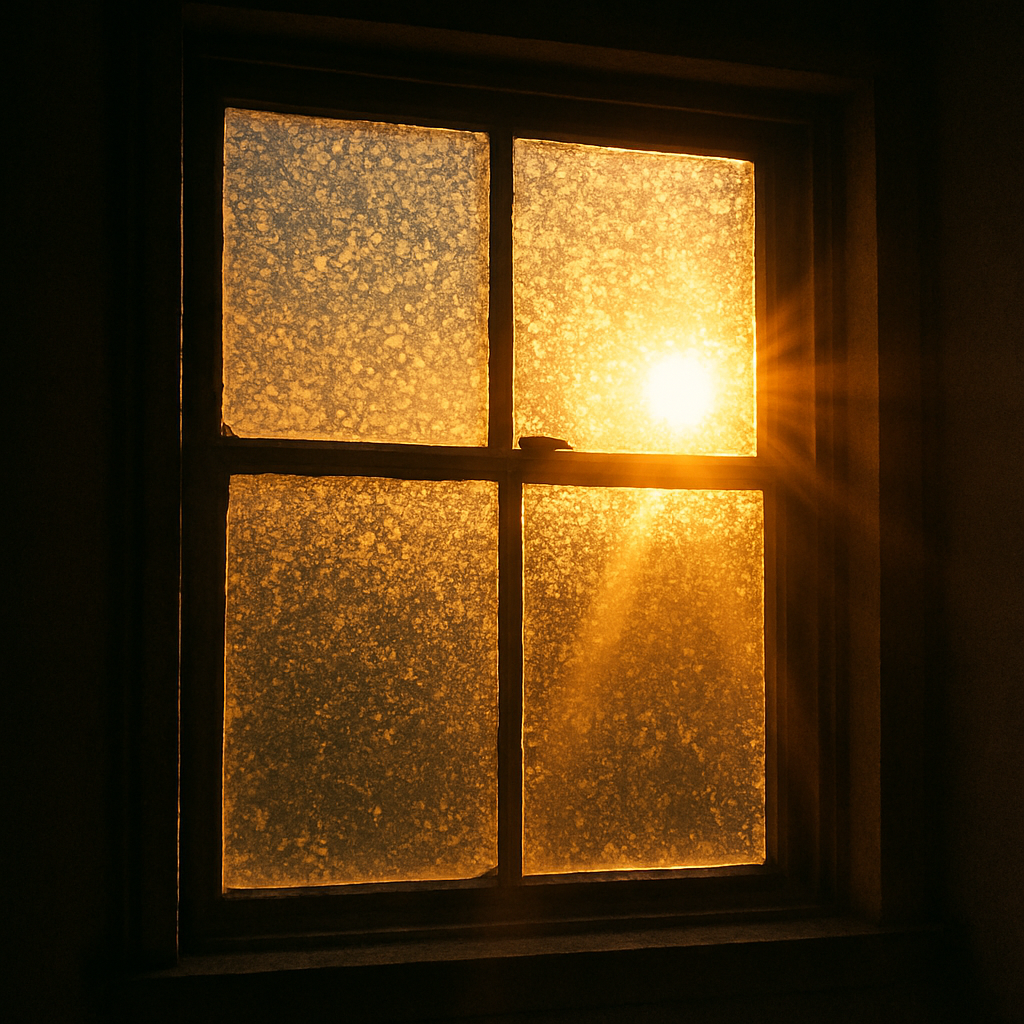
Heat blocking window film also offers protection against the sun’s harmful UV rays, which can cause fading and damage to furniture, flooring, and artwork. This added layer of protection helps preserve the interior décor, ensuring that the space remains visually appealing for years to come.
Privacy and Aesthetics
Some heat blocking films also serve as privacy window films, offering varying degrees of opacity to obscure the view from outside without sacrificing natural light. This can be particularly appealing for clients looking to maintain privacy without resorting to heavy curtains or blinds. Moreover, window films are available in a variety of tints and finishes, allowing you to complement any design style.
What Types of Heat Blocking Window Films Are Available?
There are several types of heat blocking window films to consider, each with its unique features and benefits:
- Dyed Window Films: These films absorb solar heat and are available in various shades and colors. They are typically more affordable but may not offer as much heat reduction as other types.
- Metalized Window Films: These films have a thin layer of metal that reflects heat and light. They offer superior heat rejection but can sometimes create a mirrored effect, altering the appearance of the window from the outside.
- Ceramic Window Films: Made from non-metallic, non-conductive ceramic particles, these films offer excellent heat rejection without altering the window’s appearance. They are also highly durable and resistant to fading.
- Multi-layer Optical Films: These high-performance films are designed to reflect infrared rays while allowing visible light to pass through. They provide exceptional heat reduction without compromising on natural light.
How is Heat Blocking Window Film Installed?
The installation process for heat blocking window film is straightforward but requires precision to ensure optimal performance:
- Surface Preparation: The window surface must be thoroughly cleaned to remove any dirt, dust, or debris that could affect adhesion.
- Cutting the Film: The film is measured and cut to fit the window’s dimensions, leaving a small margin around the edges.
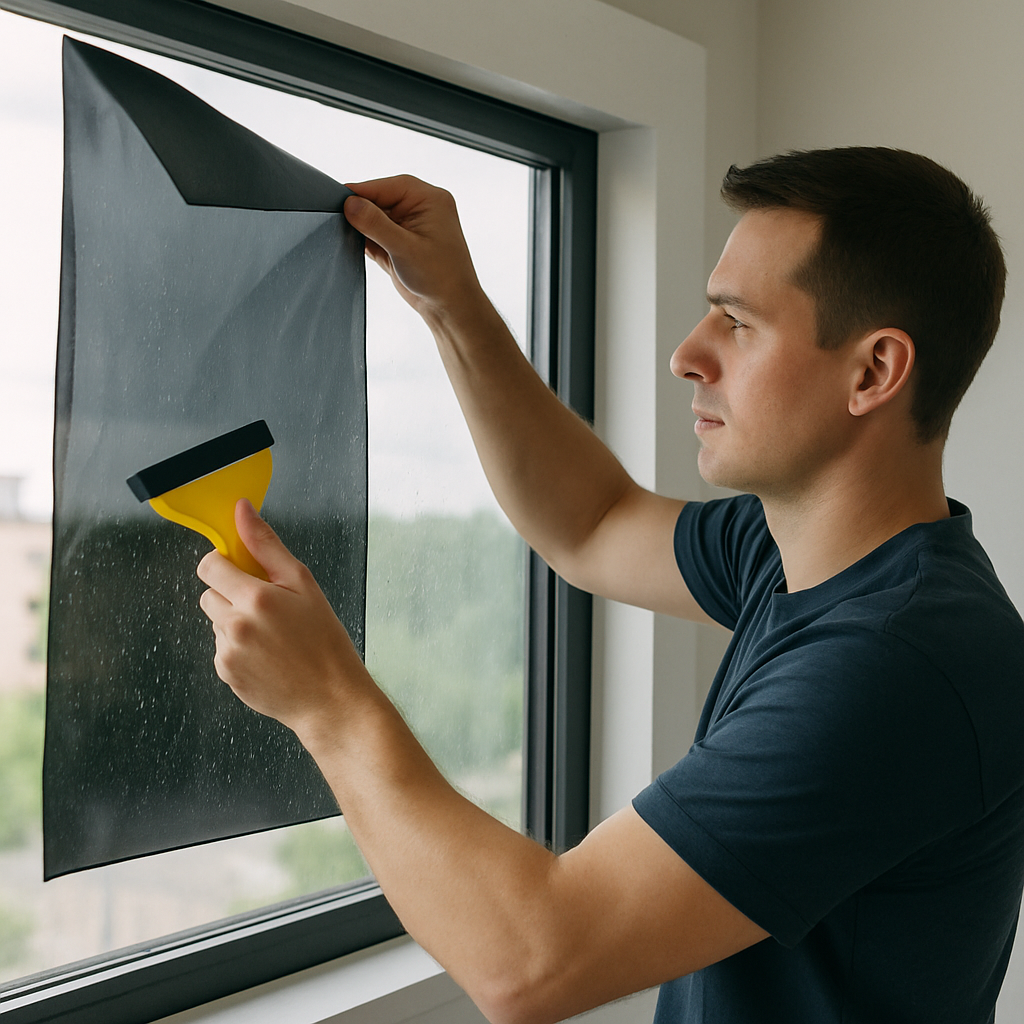
- Applying the Film: The film is carefully applied to the window using a squeegee to remove air bubbles and ensure a smooth finish.
- Trimming and Sealing: Excess film is trimmed, and the edges are sealed to prevent peeling or lifting.
While DIY installation kits are available, professional installation is recommended for the best results, especially for large or complex windows.
How Long Does Heat Blocking Window Film Last?

by Egor Myznik (https://unsplash.com/@vonshnauzer)
The lifespan of heat blocking window film varies depending on the type and quality of the film, as well as environmental factors. High-quality films can last anywhere from 10 to 20 years with proper maintenance. Regular cleaning with non-abrasive solutions and avoiding harsh chemicals can help extend the film’s longevity.
Is Heat Blocking Window Film a Cost-Effective Solution?
In terms of upfront costs, heat blocking window film is a relatively affordable option compared to other window treatments or energy-efficient upgrades. The energy savings achieved through reduced heating and cooling costs can offset the initial investment over time. Additionally, the added benefits of UV protection and enhanced comfort make it a valuable addition to any home.
Conclusion
Heat blocking window film is an excellent solution for interior designers seeking to improve energy efficiency, enhance comfort, and protect interior furnishings. By understanding its benefits and installation process, you can confidently recommend this innovative solution to your clients, helping them create stylish, eco-friendly living spaces that stand the test of time.
Whether you’re addressing a client’s need for privacy, aesthetics, or energy savings, heat blocking window film offers a versatile and practical option that can be tailored to meet individual requirements.