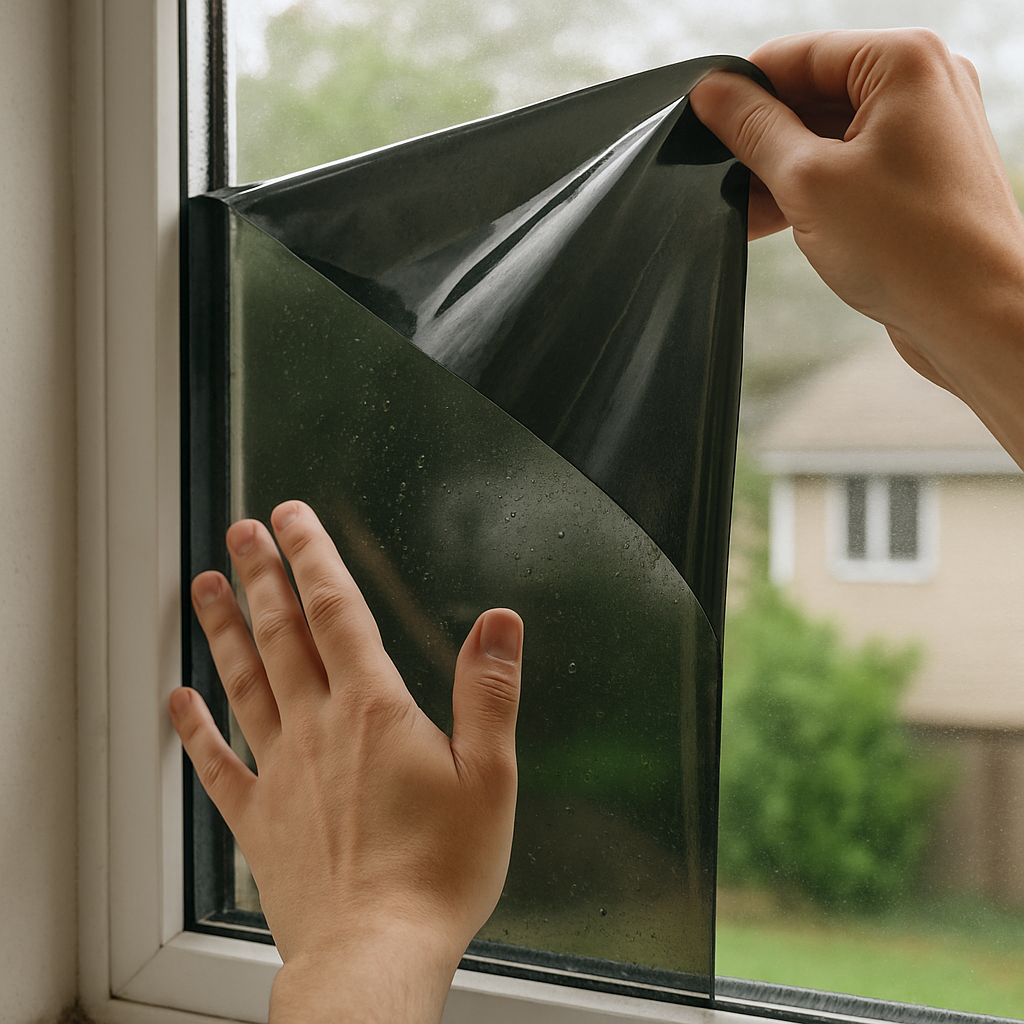
When it comes to home improvement, window film is an increasingly popular solution for homeowners looking to enhance energy efficiency and comfort. By controlling the amount of heat that enters through your windows, window film can significantly reduce energy bills, improve comfort, and protect your interior furnishings from UV damage. In this article, we’ll answer some of the most common questions about window film for heat control to help you decide if it’s the right choice for you.
Window film for heat control is a thin laminate that can be installed on the interior or exterior surface of glass windows. It is designed to reduce the amount of solar heat that enters a building. These films are made with advanced technologies that can block infrared heat while still allowing visible light to pass through, ensuring that your rooms remain bright and welcoming. According to the U.S. Department of Energy, energy-efficient window coverings and films can significantly reduce heat gain in homes, improving overall energy performance.
How Does Window Film Work?
Window film works by reflecting and absorbing solar energy. A typical window film consists of multiple layers, including one that reflects UV rays and another that reduces glare. The film’s top layer is typically scratch-resistant to protect against wear and tear. This combination of features allows window film to reduce the amount of heat that passes through the glass, thus keeping indoor spaces cooler in the summer and warmer in the winter.
Types of Window Film
- Solar Control Film: Specifically designed to reduce heat and glare.
- Safety and Security Film: Provides additional protection by holding glass together in case of breakage.
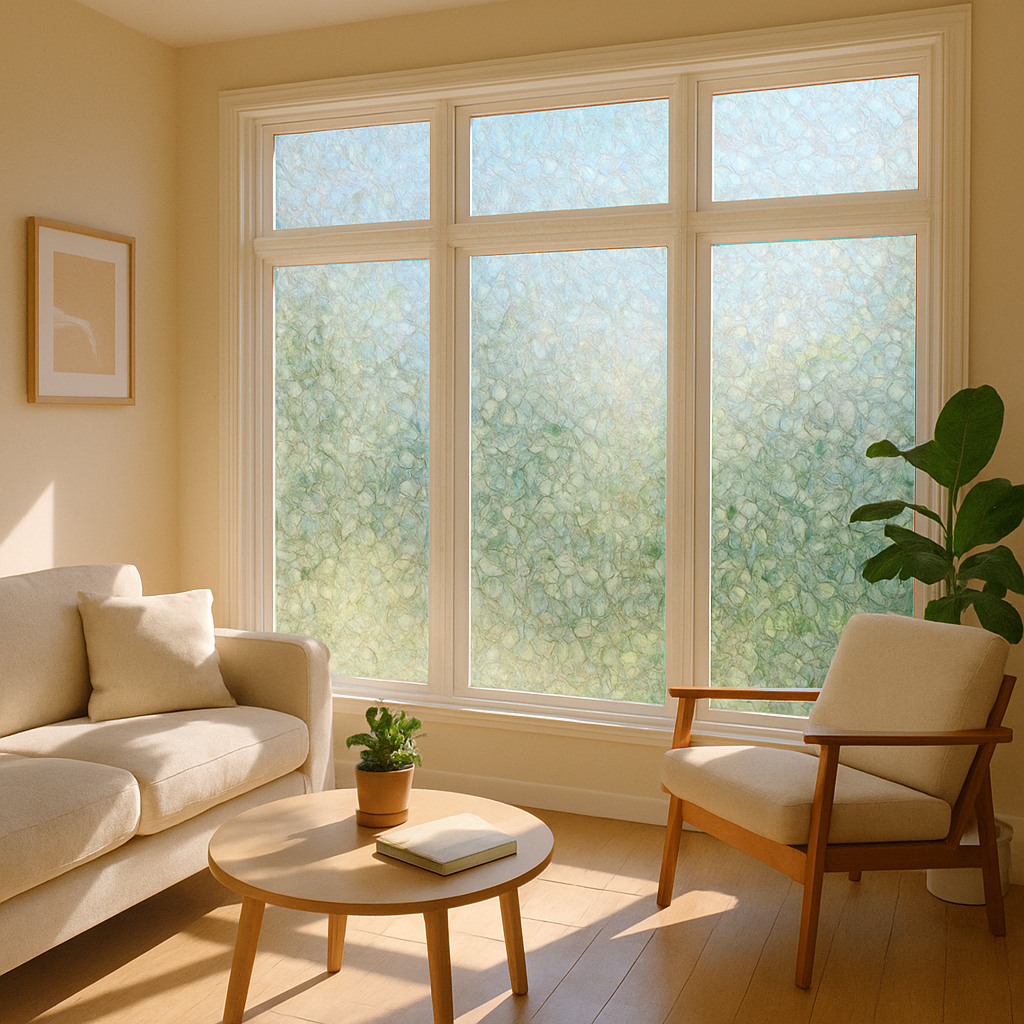
- Decorative Film: Adds privacy and aesthetic appeal.
- Low-E Film: Offers insulation benefits, keeping heat in during the winter and out during the summer.
Each type of film has its own unique benefits, and the best choice depends on your specific needs.
Why Use Window Film for Heat Control?
Energy Efficiency
One of the primary benefits of heat-blocking window films is their ability to improve energy efficiency. By reducing the amount of solar heat that enters your home, window film can lower cooling costs by up to 30%. This reduction in energy consumption not only saves money but also reduces your carbon footprint, making it an eco-friendly choice. The U.S. Environmental Protection Agency (EPA) highlights energy efficiency improvements as one of the most effective ways to lower household emissions and utility costs. If you’re researching the best window tint for efficiency, understanding heat rejection and solar performance ratings is essential. For more guidance on home energy upgrades, Natural Resources Canada provides practical resources for improving household energy efficiency.
Enhanced Comfort
Window film helps maintain a consistent temperature throughout your home, reducing hot spots and drafts. This consistent climate control enhances comfort for you and your family, especially during extreme weather conditions.
UV Protection
Window film blocks up to 99% of harmful UV rays, which can fade furniture, flooring, and artwork. By protecting your interiors from UV damage, window film helps preserve your home’s aesthetics and prolongs the life of your furnishings.
Glare Reduction
Glare from the sun can make it difficult to see screens, whether it’s a television, computer, or smartphone. Window film significantly reduces glare, improving visibility and comfort.
Is Window Film Easy to Install?
Yes, window film is relatively easy to install, but it requires precision and care to ensure a smooth, bubble-free finish. While DIY kits are available, professional installation is recommended for the best results, especially for large or high windows. A professional installer will ensure that the film is correctly applied and that all edges are perfectly aligned.
Installation Process
- Preparation: Windows are cleaned thoroughly to remove any dirt or residue.
- Measurement and Cutting: The film is measured and cut to fit each window precisely.
- Application: The film is carefully applied to the window, starting from the top and working downwards, using a squeegee to remove any air bubbles.
- Trimming: Excess film is trimmed away for a neat finish.
How Long Does Window Film Last?
With proper installation and care, quality window film can last 10-15 years. Factors that influence the lifespan of window film include the quality of the film, the amount of direct sunlight it receives, and the care it receives. Regular cleaning with non-abrasive cleaners and a soft cloth will help maintain the film’s clarity and performance.
Can Window Film Be Removed?

by Deniz Demirci (https://unsplash.com/@ddography)
Yes, window film can be removed if you decide to change or upgrade your windows. The removal process involves heating the film to soften the adhesive and then peeling it away from the glass. Any adhesive residue can be cleaned with a glass cleaner or a specialized adhesive remover. Professional removal is recommended to prevent damage to the glass.
Is Window Film Cost-Effective?
Yes, window film is a cost-effective solution for improving energy efficiency and comfort in your home. While the initial investment can vary based on the type and quality of film, as well as installation costs, the savings in energy bills and the protection of interior furnishings often outweigh the initial cost. Additionally, the improved comfort and UV protection add value to your living space.
Final Thoughts
Window film for heat control offers a range of benefits for homeowners seeking to improve energy efficiency and comfort. Whether you’re interested in reducing energy bills, enhancing interior comfort, or protecting your furnishings from UV damage, window film is a versatile and effective solution. By understanding the different types of window film and their benefits, you can make an informed decision that meets your specific needs. Consider consulting with a professional installer to explore the options available and to ensure the best results for your home.