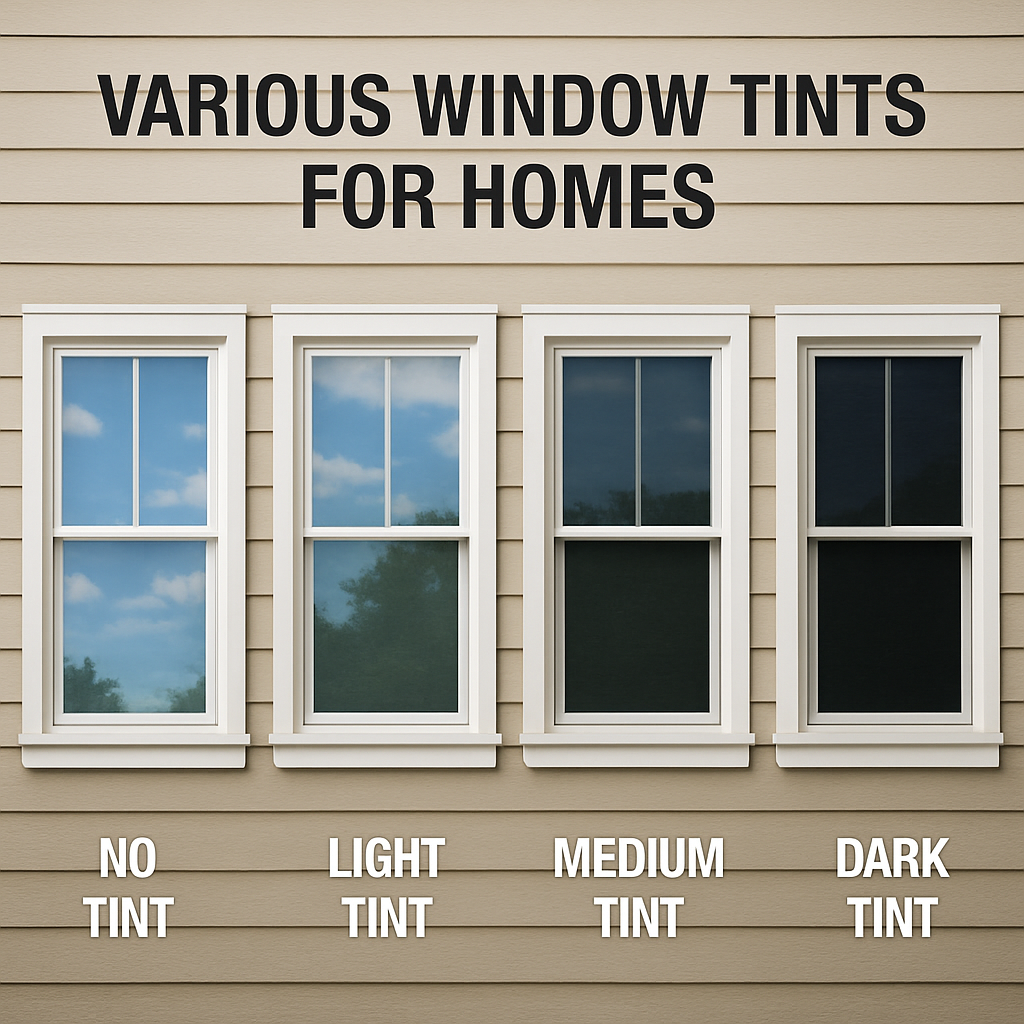
When it comes to enhancing your home’s aesthetics and energy efficiency, one innovative solution stands out: house window tinting. As an expert in home improvement solutions, I can help you navigate the diverse options available and assist you in choosing the best residential window tint for your needs. In this article, we’ll compare different types of window tints, explore their benefits, and provide insights to help you make an informed decision.
Window tinting involves applying a thin film to the interior or exterior of glass surfaces. This film can control sunlight, reduce heat, and add privacy. With numerous options available, the challenge lies in selecting the right tint that aligns with your specific needs and preferences.
Types of Window Tints
- Solar Control Film: Designed to reduce heat and glare, this film can help lower energy bills by minimizing the need for air conditioning. Solar control films are ideal for homes in sunny areas.
- Decorative Film: If aesthetics are a priority, decorative films offer a wide range of patterns and colors. These tints enhance privacy without sacrificing style, making them perfect for bathrooms and living areas.
- Security Film: This film is thicker and more durable, aimed at strengthening windows and providing an extra layer of protection against break-ins and severe weather.
- Privacy Film: These films make it difficult for outsiders to see in, while still allowing light to pass through. Privacy films are excellent for street-facing windows or any room where privacy is desired.
- Insulating Film: Also known as low-emissivity (Low-E) film, it helps in maintaining indoor temperatures by reflecting heat during the summer and retaining warmth during the winter.
Benefits of Residential Window Tinting
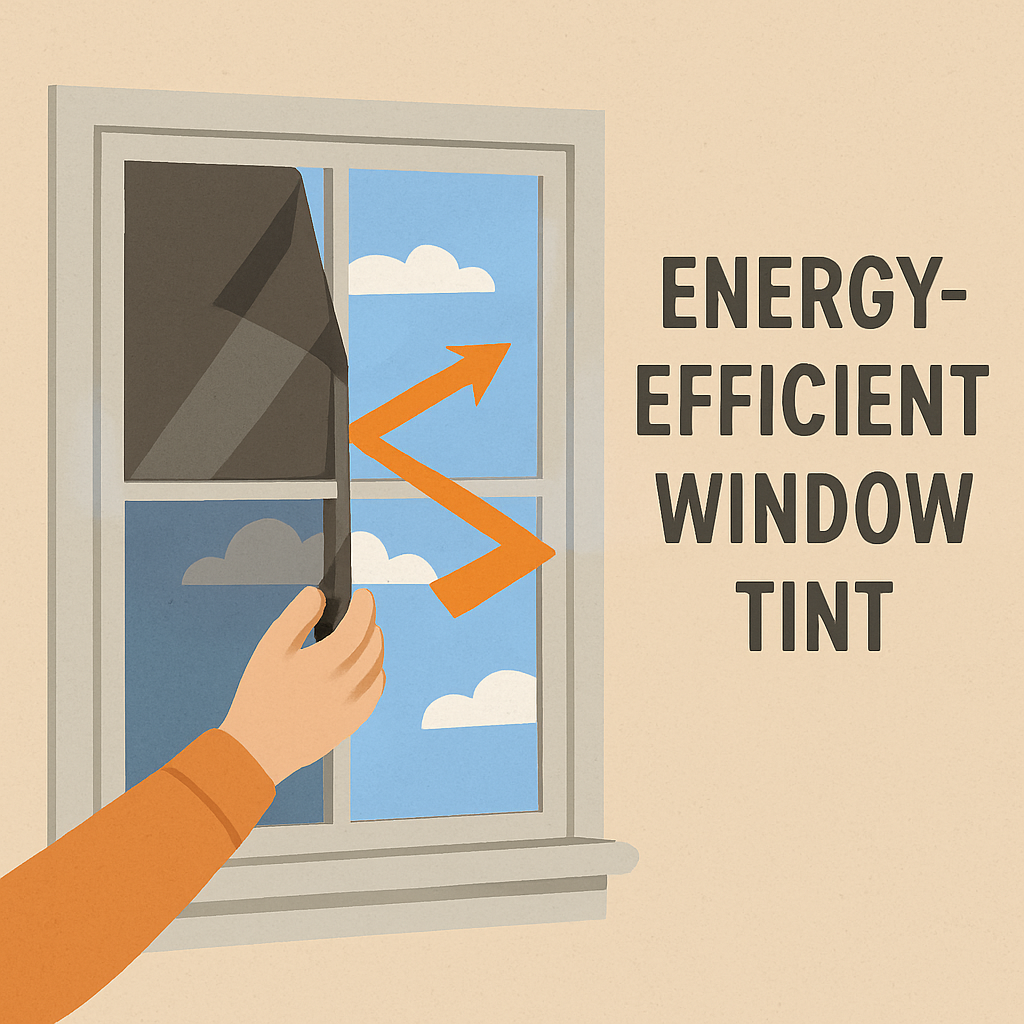
Investing in window tinting for your home offers several advantages that go beyond just appearance. Let’s delve into the numerous benefits that make this an appealing choice for homeowners.
Energy Efficiency and Savings
Window tints can significantly reduce your home’s energy consumption. By blocking out the sun’s heat, tints lower the need for air conditioning, leading to reduced energy bills. In cooler months, insulating tints help retain heat, further optimizing energy use.
Enhanced Comfort
Tinted windows can create a more comfortable living environment by regulating indoor temperatures and reducing glare. This means less eye strain and a more enjoyable viewing experience for both television screens and computers.
UV Protection
Harmful ultraviolet (UV) rays can fade your furniture, floors, and artwork. Window films block up to 99% of these UV rays, preserving the integrity and color of your interior furnishings.
Increased Privacy and Security

by MATAQ Darul Ulum (https://unsplash.com/@mataqdarululum)
Privacy films ensure that your home remains your sanctuary, protecting against prying eyes. Security films add a layer of protection, making it more difficult for intruders to gain access through windows.
Aesthetic Appeal
Window tints can enhance the visual appeal of your home. Whether you choose a subtle solar film or a bold decorative option, tints can complement your home’s design style and add to its overall charm.
Comparing Window Tint Options
Choosing the right window tint for your home involves evaluating various factors. Here’s a comparison of the most popular options based on key criteria:
Performance
- Solar Control Film: High heat rejection, excellent for energy savings.
- Decorative Film: Focused on aesthetics; moderate heat reduction.
- Security Film: Primarily for protection; minimal impact on heat and glare.
- Privacy Film: Provides privacy; moderate impact on heat reduction.
- Insulating Film: Balanced performance for heat retention and reduction.
Cost
- Solar Control Film: Moderate to high, depending on quality.
- Decorative Film: Varies widely based on design complexity.
- Security Film: Higher due to thickness and durability.
- Privacy Film: Generally affordable.
- Insulating Film: Moderate, with potential energy savings offsetting costs.
Durability
- Solar Control Film: Long-lasting with proper maintenance.
- Decorative Film: Durable; lifespan depends on exposure to elements.
- Security Film: Highly durable due to its thickness.
- Privacy Film: Durable with regular care.
- Insulating Film: Long-lasting, especially when applied professionally.
Considerations for Selecting the Right Tint
When deciding on a window tint, consider the following:
- Climate: Choose a tint that suits your local weather conditions. For sunny climates, solar control or insulating films are excellent choices.
- Location: Consider the orientation of your windows. South-facing windows might benefit more from solar control films.
- Aesthetics: Match the film to your home’s interior design. Decorative films offer flexibility in style.
- Budget: Determine your budget and balance it against the benefits you wish to achieve, such as energy savings or increased security.
Conclusion
Selecting the right window tint for your home can enhance both its functionality and aesthetic appeal. By understanding the types of tints available and their respective benefits, you can make an informed decision that aligns with your needs and preferences.
Remember, professional installation ensures the best results, offering you peace of mind and maximizing the lifespan of the tint. As an expert in window film installations, I am here to guide you through the process, ensuring that your home improvement project is a success.
Whether you’re looking to improve energy efficiency, increase privacy, or enhance your home’s style, there’s a window tint solution for you. Contact us today to explore your options and transform your living space with the perfect window tint.“`