Blackout window films are a popular choice for those seeking privacy, light control, and energy efficiency in their homes. But what exactly can you see through these films, and how do they work? In this article, we’ll explore the functionality of blackout window films, their benefits, and the unique value they offer to homeowners and interior designers alike. For a deeper overview, see this U.S. Department of Energy guide on energy-efficient window coverings. If you’re exploring customize blackout window films for your space, understanding how they function is the first step.
Understanding Blackout Window Films
Blackout window films are designed to block light from entering a space completely. Unlike regular window films that may offer some level of transparency, blackout films provide an opaque layer that prevents any visibility through the window. This makes them an ideal choice for rooms where privacy and darkness are priorities, such as bedrooms, home theaters, or conference rooms.
How Do Blackout Window Films Work?
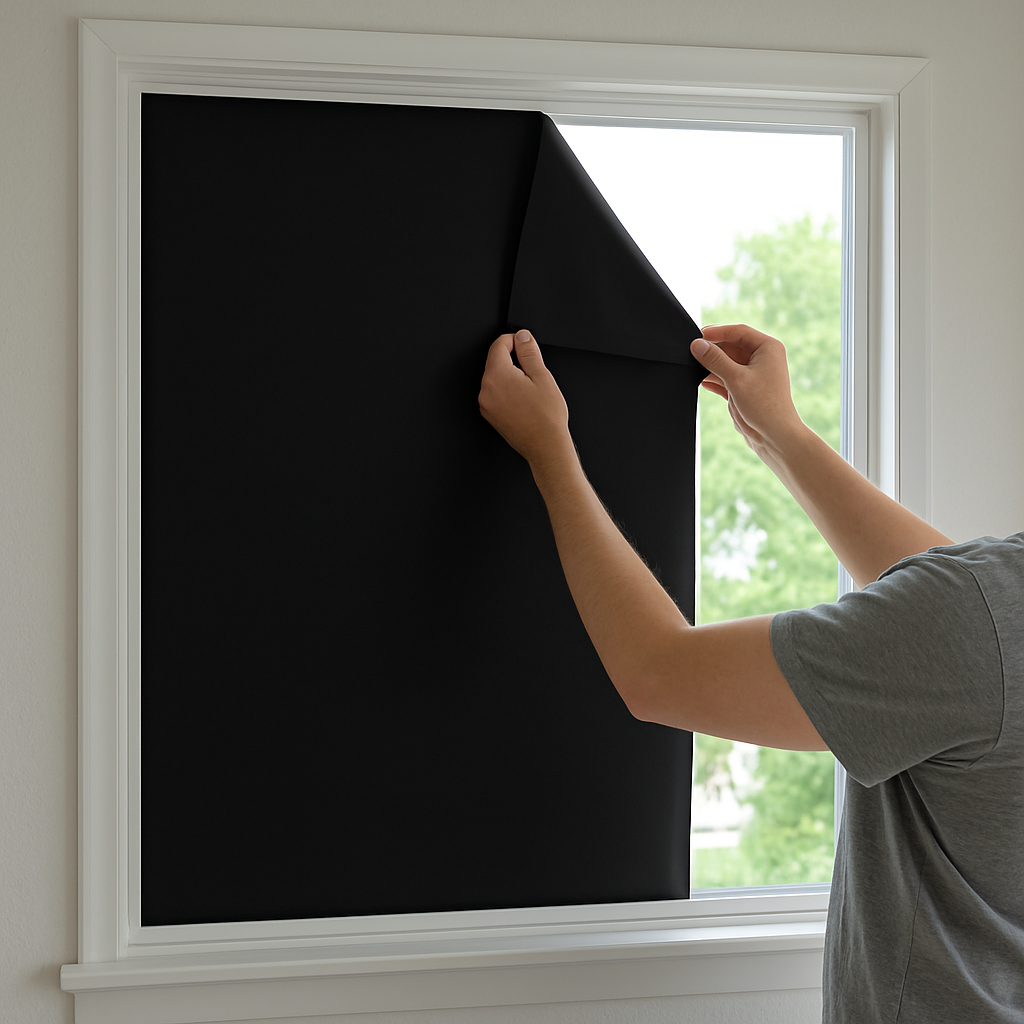
Blackout films work by adhering a dark, non-transparent layer to the window glass. This layer is typically made from a high-quality polyester material treated to resist scratches and fading. The film blocks out sunlight and prying eyes, ensuring that the interior space remains private and undisturbed. According to the National Renewable Energy Laboratory (NREL), window film technologies can significantly reduce solar heat gain when properly applied.
Benefits of Blackout Window Films
The benefits of installing blackout window films extend beyond just privacy and light control. Here’s a closer look at what they offer:
Enhanced Privacy
One of the most significant advantages of blackout films is the level of privacy they provide. Whether you live in a bustling urban area or a quiet suburb, blackout films ensure that no one can see inside your home. This is particularly beneficial for ground-floor rooms or spaces facing a busy street. If privacy is your top priority, you can also achieve privacy with window films using different film types tailored to your needs.
Improved Energy Efficiency
Blackout window films can contribute to energy savings by reducing the amount of heat that enters through the windows. By blocking sunlight, these films help maintain a cooler indoor temperature during the summer months, reducing the need for air conditioning and, consequently, lowering energy bills.
Protection from UV Rays
The harmful effects of UV rays on your skin and furniture can be significant over time. Blackout films offer protection by blocking up to 99% of UV rays, helping to preserve the color and integrity of your furniture, carpets, and artwork. The U.S. Environmental Protection Agency’s UV safety resources explain why limiting UV exposure indoors is important.
Light Control
For those who value a good night’s sleep or need a dark environment for activities like watching movies, blackout films are an excellent solution. They create a darkened space that promotes better sleep quality and enhances viewing experiences.
Application Areas for Blackout Window Films
Blackout window films can be applied in various settings, each benefiting from the unique properties of the film.
Residential Use
In homes, blackout films are commonly used in bedrooms to ensure a restful sleep environment. They are also popular in home theaters, where complete darkness is essential for the best viewing experience. Additionally, they can be used in bathrooms or any other rooms where privacy is paramount.
Commercial Use
In commercial settings, blackout films are often used in conference rooms to prevent distractions and ensure confidentiality during meetings. They are also used in storefronts to prevent passersby from peering into back-office areas.
Educational Institutions
Schools and universities may use blackout window films in auditoriums and classrooms to create an optimal environment for presentations and lectures by eliminating glare and ensuring privacy.